

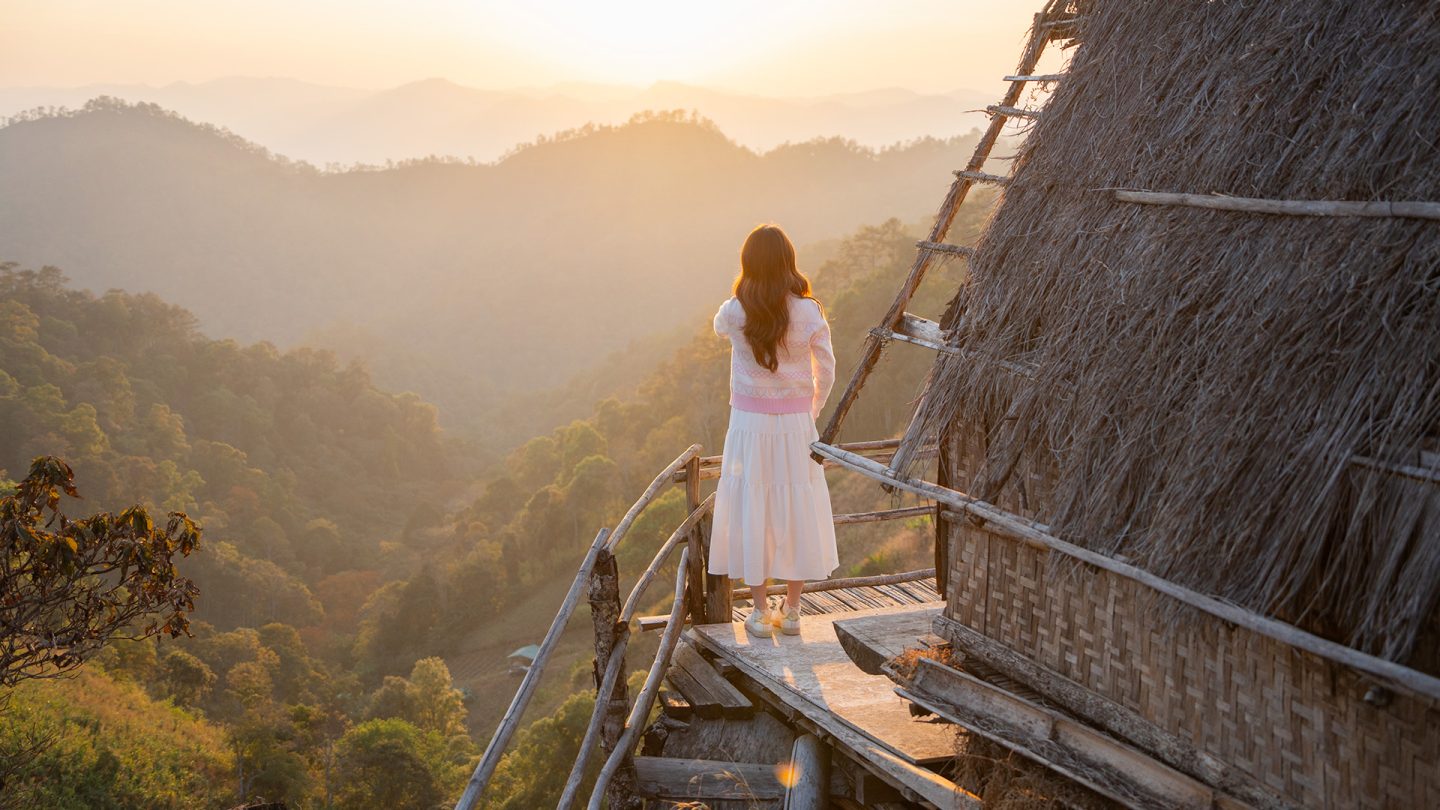
Travel Trends for 2026: “Less About the Destination, and More About the Experience and Feeling”
Ever heard of the “soft apocalypse,” “neurosurfing,” or “blind booking”? These are travel trends that Jenny Southan, founder and CEO of Globetrender, one of the world's leading agencies for travel trend forecasting, has identified for 2026. In an interview with Lufthansa Insights, she reveals where and how we'll be traveling in 2026
Which places do you think will be particularly popular in 2026?
Destinations with a clear sense of identity will prevail. More and more travelers are looking for places that feel distinctive. It's not just about viewing any number of landmarks but rather the meaningfulness of experiences. Underestimated, emerging, tourism-ready destinations are on the rise in 2026, such as hiking the Via Transilvanica in Romania or the Ruta de las Flores in El Salvador, and Oulu in Finland, which is this year's European Capital of Culture.
Many European cities suffer from too many visitors. Which alternative destinations are travelers considering?
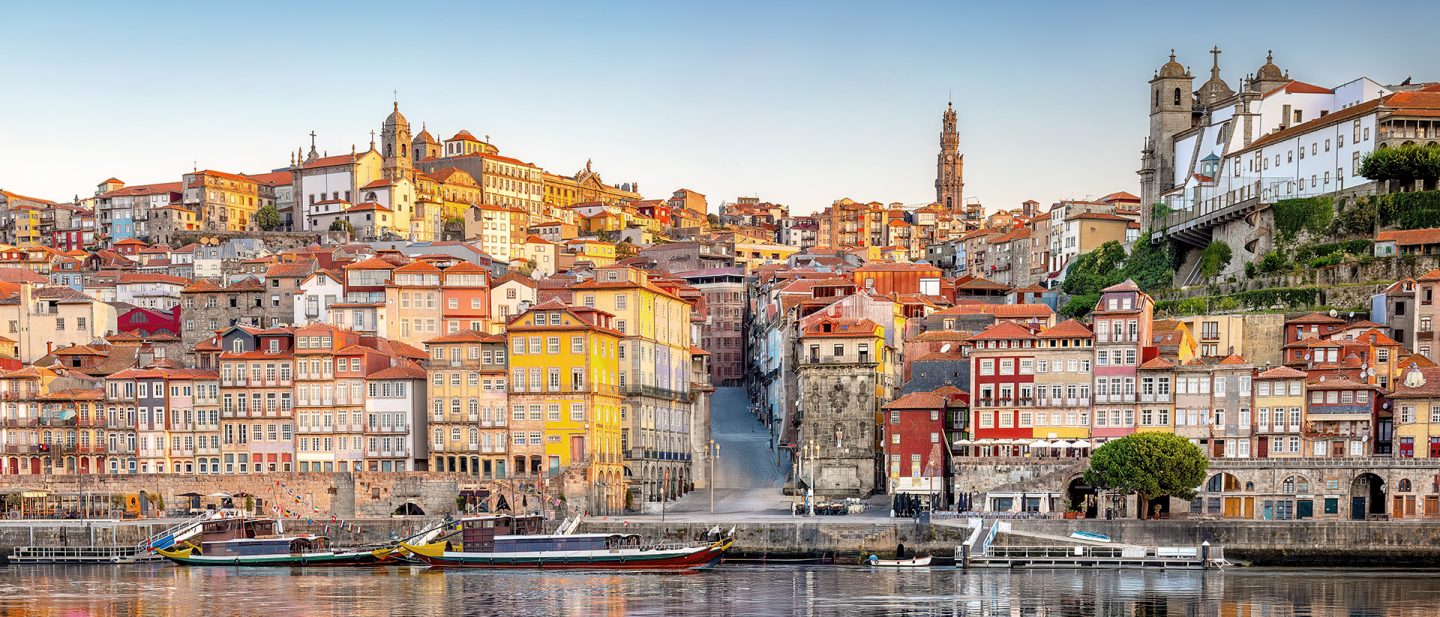
We’re seeing growing interest in previously lesser-known cities with strong design or food scenes, with tourists favoring places like Bari over Florence or Antwerp over Amsterdam. New Lufthansa Group destinations include Trondheim in northern Norway, which has some incredible restaurants, Poznan in Poland, the Croatian port city of Rijeka, and Tirana in Albania. These cities feel more intimate, more authentic. The mood is shifting from monument-led tourism to local immersion.
What are the defining travel trends for this year?
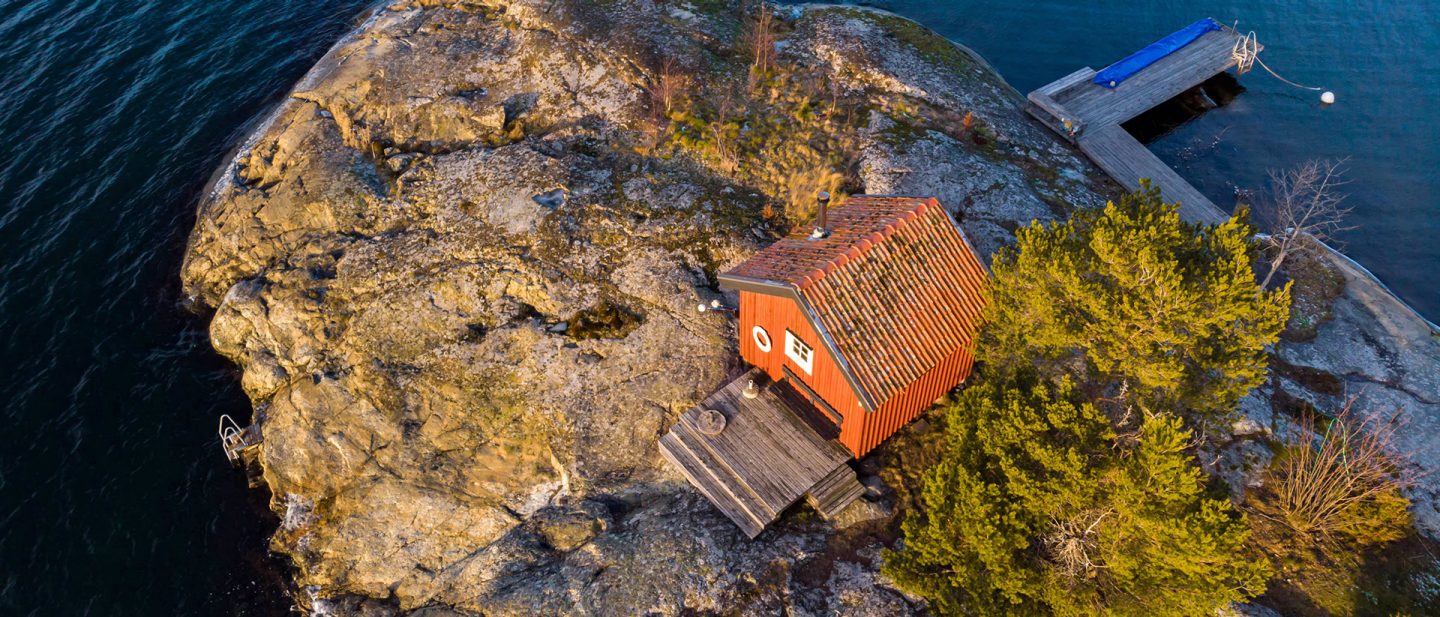
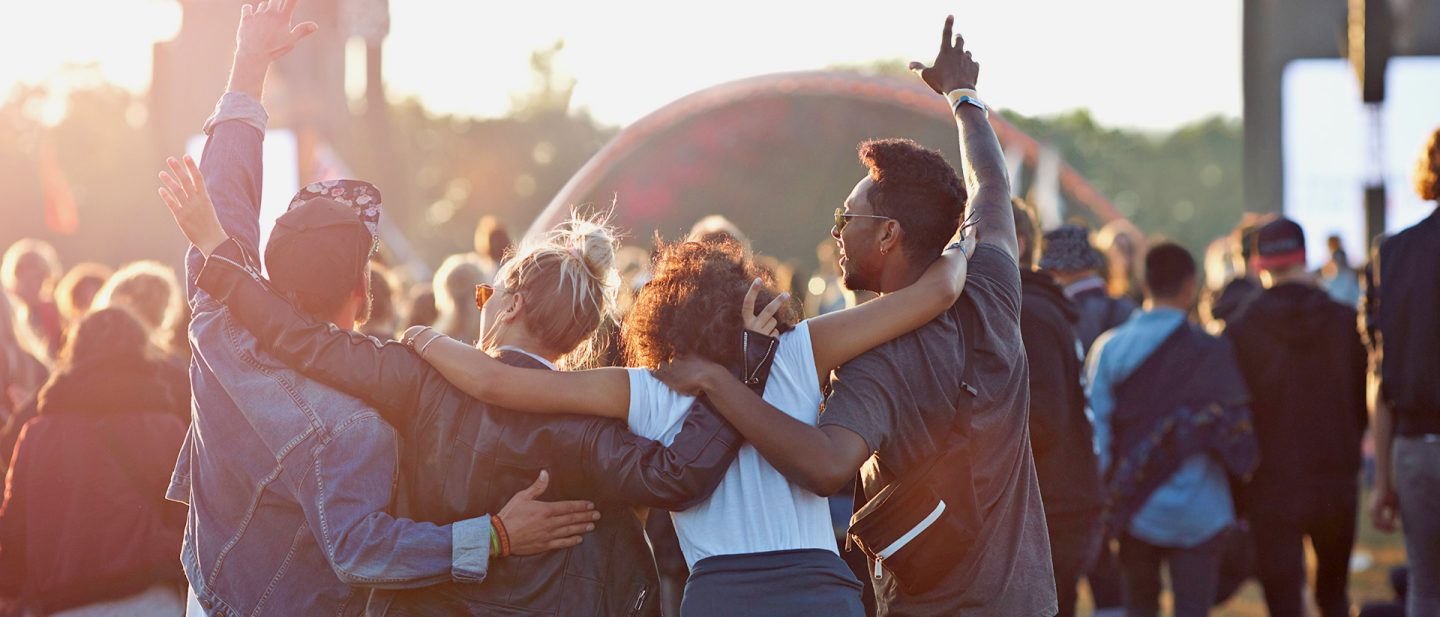
Another trend we predict will be significant this year is what we call "the endorphin economy." This trend centers around events that trigger the body's feel-good chemistry and emotional highs of being part of a crowd, whether it's a sporting event, concert, or festival. The third trend I'd highlight is the "soft apocalypse." As the pressures of the digital age bear down upon us, consumers are seeking opportunities to learn outdoor skills, build their resilience, and optimize self-sufficiency. We can see this manifesting in the rise of soothing rural cabin retreats, farm- and ranchstays, and foraging culture.
Set-jetting and bookpacking were considered 2025’s defining travel trends. What influence will visual media and books have on our travel behavior in 2026?
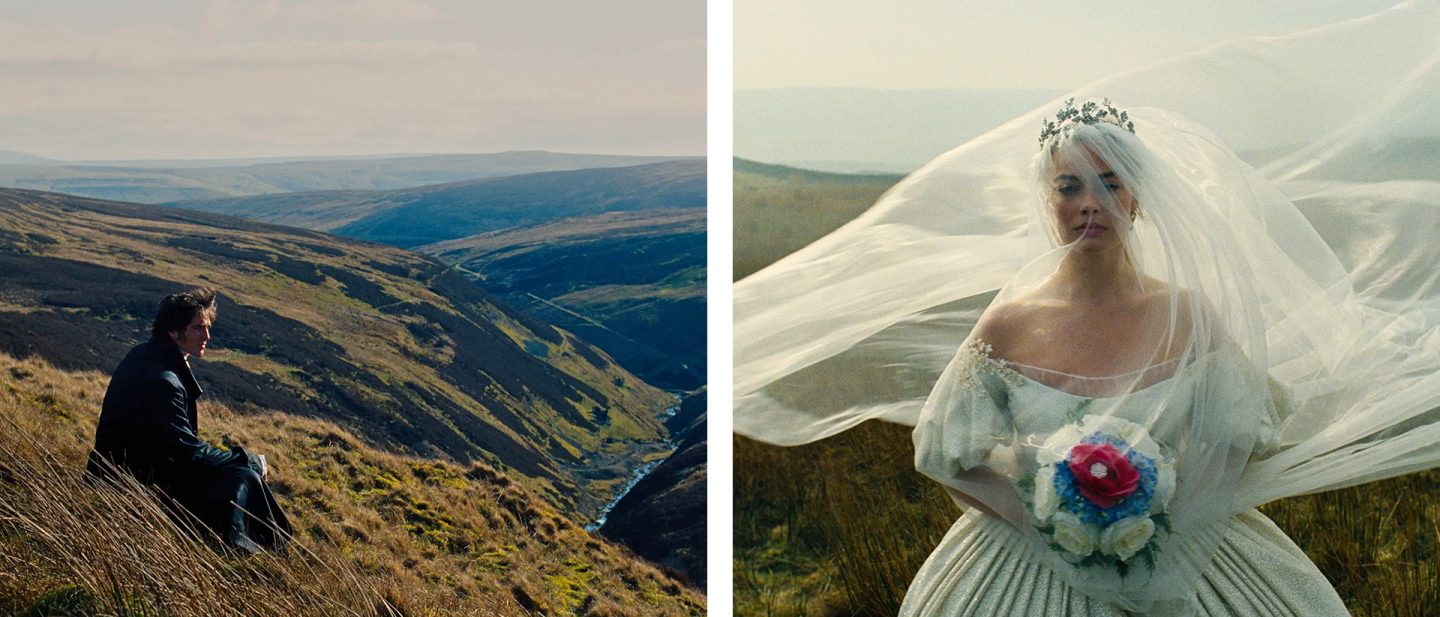
Culture is becoming less about the film location and more about being immersed in a narrative. People are traveling not just because they saw a destination on screen, but because they want to experience the mood of that world – the food, clothing, architecture, tempo. A period drama such as Wuthering Heights can inspire English countryside escapes, while a dystopian Scandi series can make Nordic landscapes feel atmospheric and desirable.
Which TV shows or movies are people using as inspiration for their travels this year?
On the hotlist for this year are Heated Rivalry, which has already boosted interest in travel to Ontario and Québec in Canada, and The Odyssey, which is filmed in Greece. We’re also seeing a revival of reading itself. Literary retreats, author-led walking routes, destination book clubs – these feel like antidotes to algorithmic scrolling.
Meditation vacations and silent retreats are getting more and more popular. How do you account for vacations increasingly becoming a “journey into the self” for many people?
A lot of people are now literate in burnout, cortisol, hormones, and nervous system health. Travel is becoming a laboratory for behavior change – from sleep optimization to emotional processing. In a 2026 report, we idenitified the trend for "neurosurfing," whereby people take on different activities – be it sound baths, painting, or cold plunges – to move between different brainwave states (Beta, Alpha, Theta, Delta). The retreat model has evolved from "escape" to "intervention."
How is artificial intelligence changing the way we plan our travel?
Artificial intelligence accelerates decision-making, makes niche recommendations, and reduces overwhelm. For travelers, it lowers the barrier to complexity – multi-stop trips, offbeat areas, tailored routes. The risk is homogenization and overconfidence. If everyone uses the same optimization tools, they are funneled toward similar places. And AI lacks nuance from real life – it can suggest but not always sense-check local subtleties. Used well, AI is a co-pilot. Used blindly, it can limit discovery.
There is a lot of interest in “blind booking” and “mystery trips,” with the exact destination only revealed after the booking is made. How do you explain this?
This reveals exhaustion. Modern life requires constant micro-decisions – at work, at home, online. Mystery trips outsource that burden. There’s relief in surrendering control and rediscovering the element of surprise. Adults rarely encounter genuine surprise anymore. Decision-free travel feels childlike in the best sense – curious, open, slightly thrilling. One of our favorite case studies is a Finnish bus operator, which last year reimagined domestic travel with mystery trips that subsequently sold out.
About
Jenny Southan is the founder and CEO of Globetrender, one of the world's leading travel trend forecasting agencies. Globetrender’s reports are read by travel industry professionals, as well as executives from a wide range of corporations. She talks to visionary entrepreneurs and innovators whose big ideas are shaping the future of travel in her podcast “Blue Sky Thinking”.

Ready to discover the travel destinations of tomorrow?
Become a travel trendsetter and book a flight to destinations that feel truly special.