

Eat See Do: Kuala Lumpur
Modern high-rise towers alongside magnificent colonial buildings, colorful temples dedicated to Hindu deities side by side with imposing mosques, traditional food stalls in Chinatown, and designer hotels in the city center – in Malaysia’s capital, Kuala Lumpur, the diversity of cultures shapes the cityscape and everyday life. Here are our tips for an inspiring stay in Kuala Lumpur
Eat – Nasi Lemak, Malaysia's National Dish
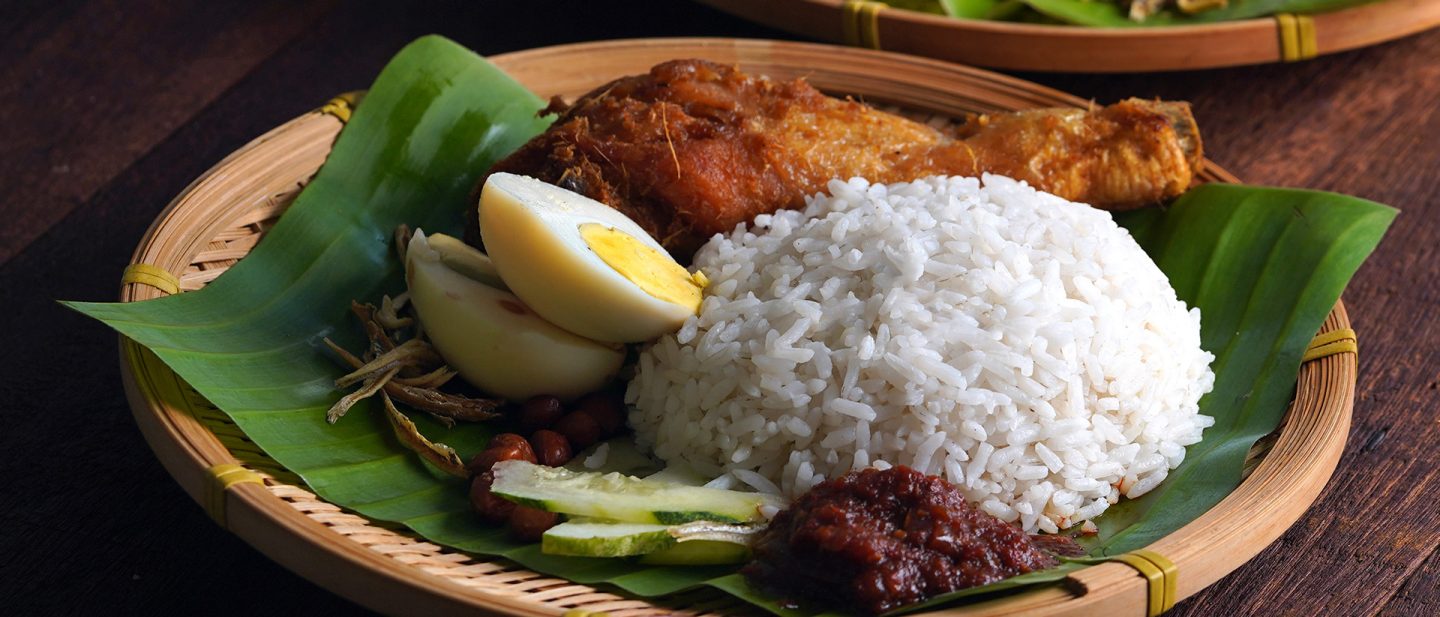
Few other dishes are as symbolic of Malaysia as nasi lemak. Fragrant coconut rice is served with spicy sambal paste, roasted peanuts, anchovies, cucumber, and egg. The combination of sweetness, heat, and umami once made this dish the country’s most popular breakfast. Nowadays, the dish is served at any time of day. The modern restaurant Nalé at Pavilion Damansara Heights serves nasi lemak in several variations – with beef, lamb, salmon, and squid.
More Culinary Delights:
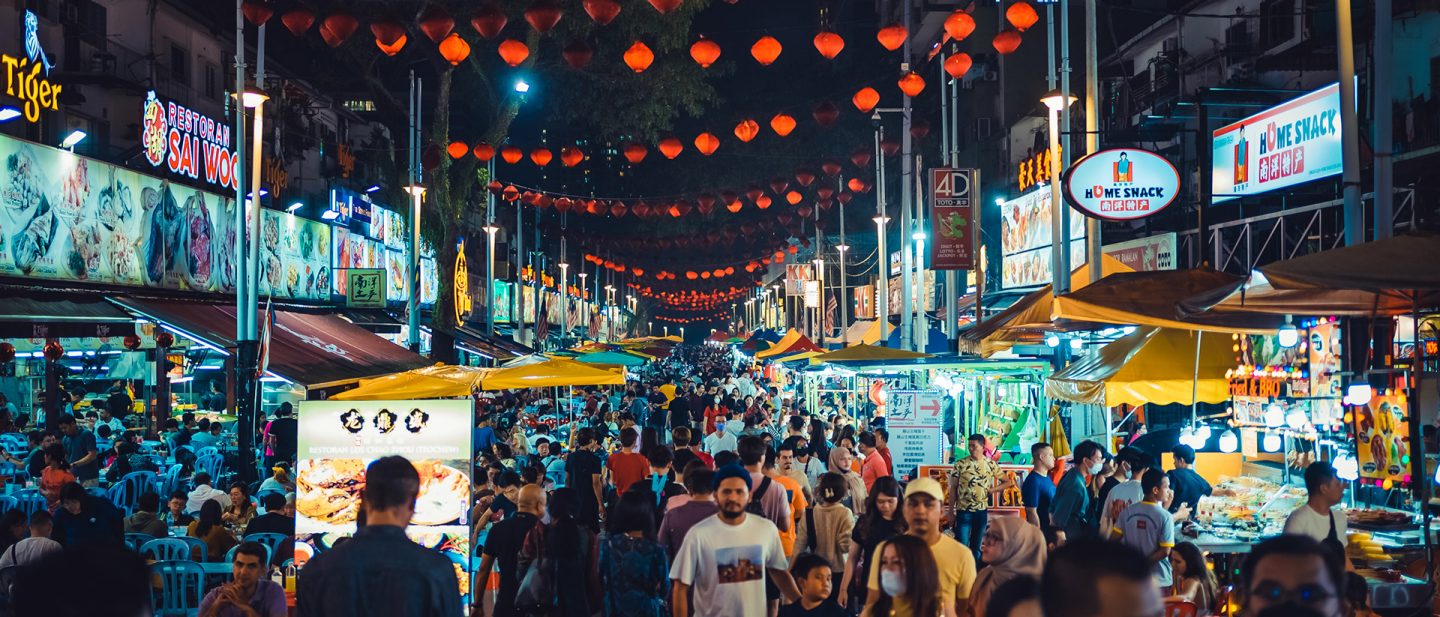
- Char Kway Teow: These rice noodles, stir-fried over an open flame with shrimp, egg, and soy sauce, are a legacy of Chinese immigrants but are now among the classics of Malaysian street food. They taste especially authentic at the food stalls along Jalan Alor, Kuala Lumpur’s bustling street food market.
- Banana Leaf Rice: This dish, which originated in South India, is – as the name suggests – served on a banana leaf. Rice, vegetable curries, and pickles (vegetables or fruit preserved in oil, spices, and salt), as well as crispy fried lentil wafers (papadums), are traditionally eaten with the hands. The Brickfields neighborhood, also known as Kuala Lumpur’s Little India, is considered the best place to experience this.
- Hokkien Mee: Thick wheat noodles are braised in dark soy sauce with pork, cabbage, and shrimp. This hearty dish is one of the culinary hallmarks of Kuala Lumpur’s Chinese community.
This may also be of interest to you

See – The Petronas Towers
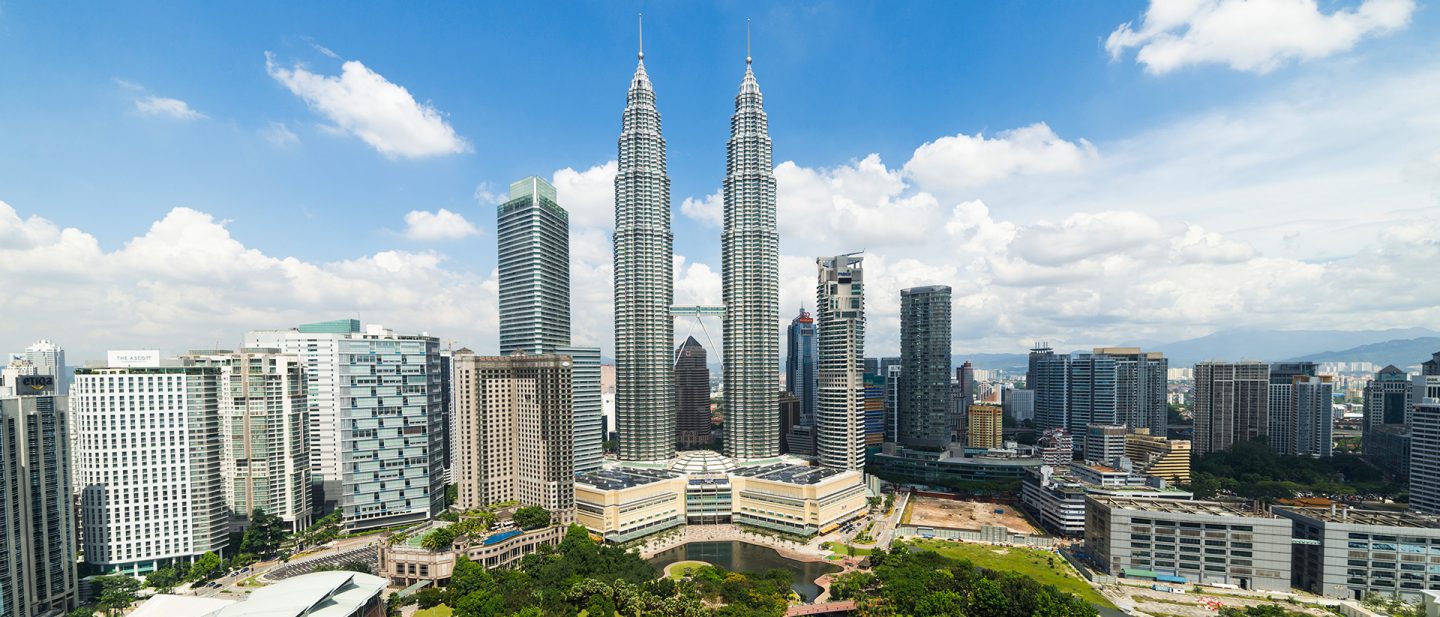
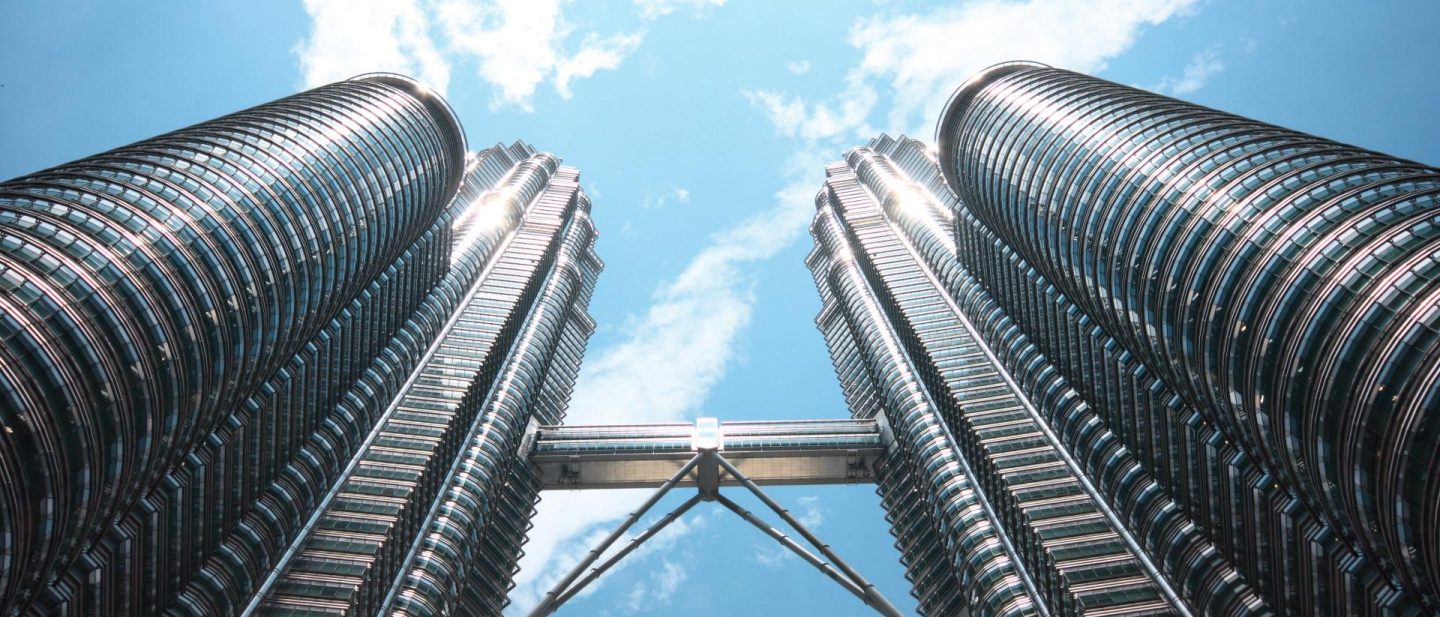
Standing 452 meters (1,483 feet) tall, the two interconnected Petronas Towers, which were the world’s tallest buildings until 2004, dominate Kuala Lumpur’s skyline. The architecture, inspired by Islamic geometry, and the Islamic patterns on the façade blend with motifs inside the twin towers that are reminiscent of Malaysian handicrafts and weaving patterns. The silhouette of the twin towers is particularly impressive after dark, when the façade begins to glow.
Also Worth Seeing:
- Batu Caves: About 15 kilometers (9 miles) north of the city center, 272 colorfully painted steps lead to one of Southeast Asia’s most important Hindu shrines. The massive limestone cave is guarded by a monumental golden statue dedicated to the god Murugan. Believers flock to the Batu Caves in droves, especially during the Thaipusam festival at the beginning of the year.
- Merdeka Square: It was on this square that Malaysia’s independence from British colonial rule was proclaimed in 1957. It is therefore not without a certain historical irony that some of the city’s most beautiful colonial buildings stand around the square, including the Sultan Abdul Samad Building, an impressive structure featuring Moorish, Mughal, and Victorian elements.
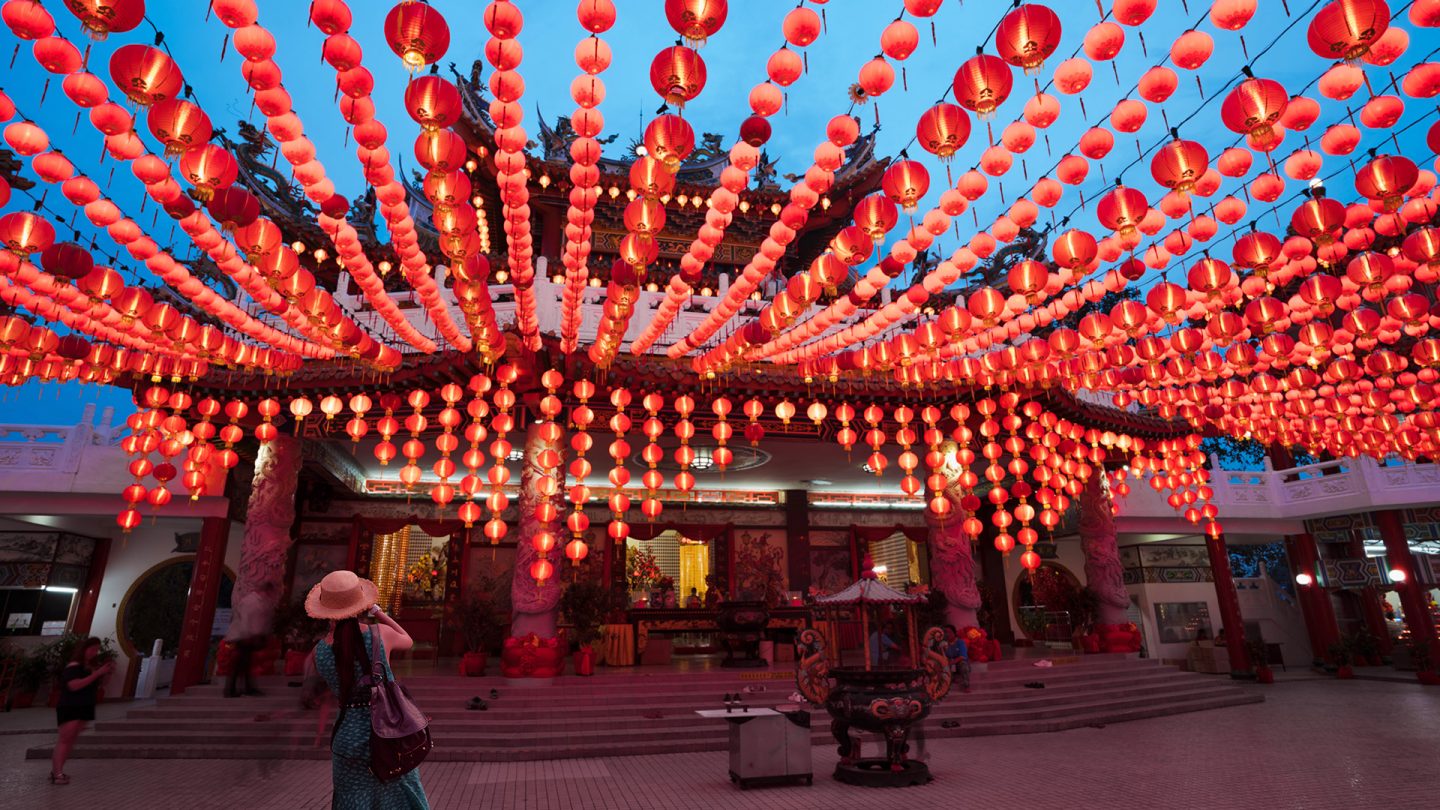
- Thean Hou Temple: Perched on a hill, this Chinese temple is one of the largest of its kind in Southeast Asia. Red lacquered columns, curved roofs, and the panoramic view of the Kuala Lumpur skyline create a special atmosphere.
Do – Discover Kuala Lumpur by Night
After sunset, the city reveals its contrasting facets. Amid the illuminated towers of the financial district, the street stalls of Bukit Bintang, and the rooftop bars offering views of the city at night, the nightlife comes alive in an urban setting that makes Kuala Lumpur’s energy palpable. Many places are easily accessible on foot. The city center (KLCC) in particular, as well as the Bukit Bintang and Bangsar neighborhoods, are very popular after dark and are considered safe for travelers.
More Experiences:
- Explore Jalan Alor: The city’s most famous area for street food transforms into a kind of open-air restaurant in the evening. Vegetables and rice noodles sizzling in steaming woks, grilled satay skewers, and stalls selling tropical fruits create a lively, authentic atmosphere.
- Stroll through Chinatown: Around Petaling Street, traditional shops, Taoist and Hindu temples, and modern cafés and boutiques form the heart of Chinese culture in Kuala Lumpur. This is also where the alley once known as Drury Lane (now Jalan Sang Guna) is located; following extensive renovation, its colorful murals have made it a centerpiece of Kuala Lumpur’s creative scene.
- Visit KL Forest Eco Park: Right in the heart of the city, a treetop trail winds through one of the city’s last remaining patches of rainforest. The façades of skyscrapers keep peeking through the greenery of the trees, adding an exciting element to the walk across suspension bridges and boardwalks.
Ready to discover Kuala Lumpur?
Gleaming skyscrapers, colorful temples, bustling street food stalls – Malaysia’s capital never fails to impress. Ready to experience it for yourself?
*The prices incl. all taxes, fees, carrier surcharges may vary and serve as a guide for your selection.