

From A to W: An Explanation of the Most Important Aircraft Lights
There are many lights flashing on an airplane – but what do they mean? We shed some light on the matter
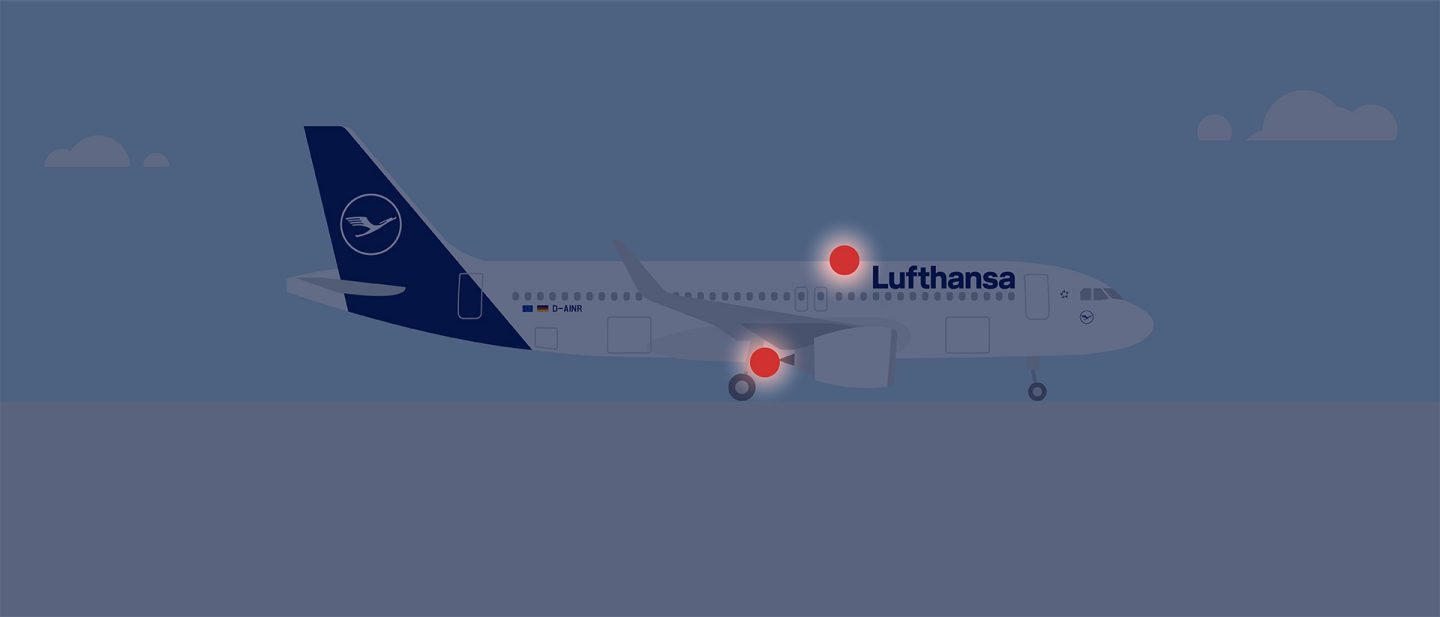
Anti-Collision Lights
The red flashing lights on the top and bottom of the fuselage signal that the aircraft is ready to go and is about to move. As soon as they are turned on, neither people nor vehicles are allowed to approach the aircraft. They are turned off again only after the engines have been shut down at the parking position.
Landing Lights
The lights on the underside of the wings are turned on when the aircraft taxis onto the runway. They help pilots see better in the dark and are also used for the same purpose at altitudes below 3,000 meters (9,840 feet).
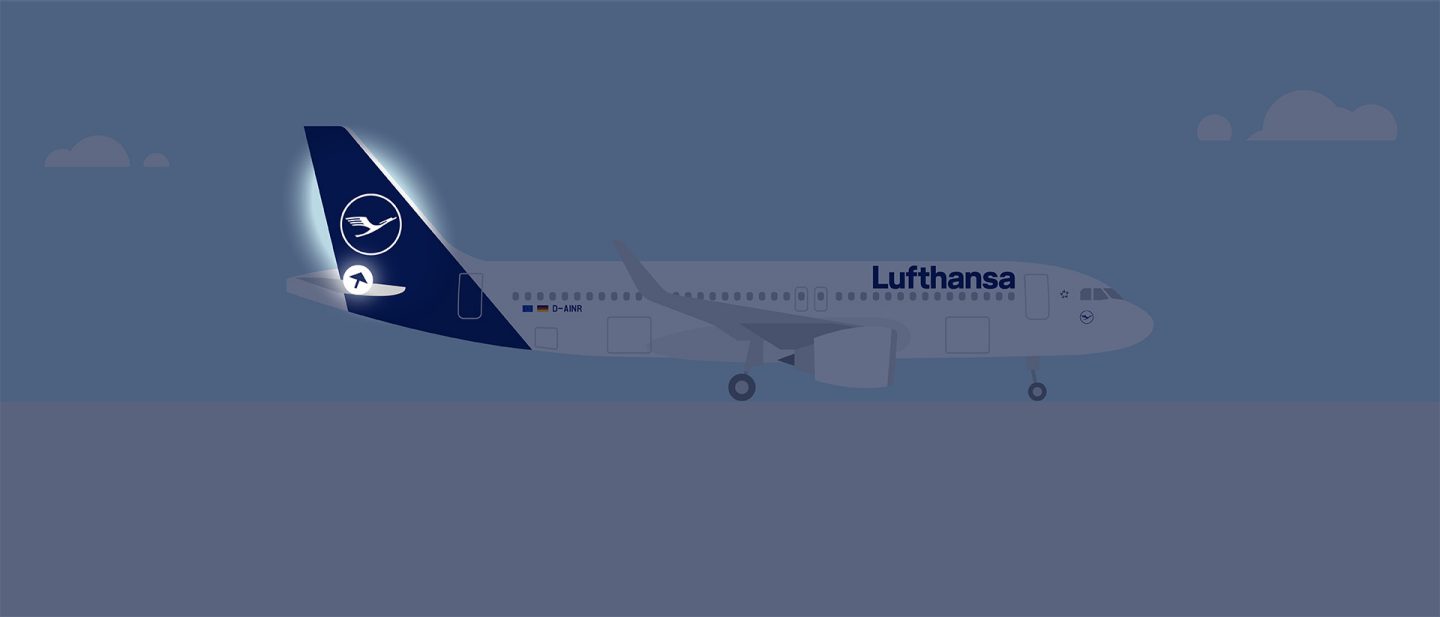
Logo Lights
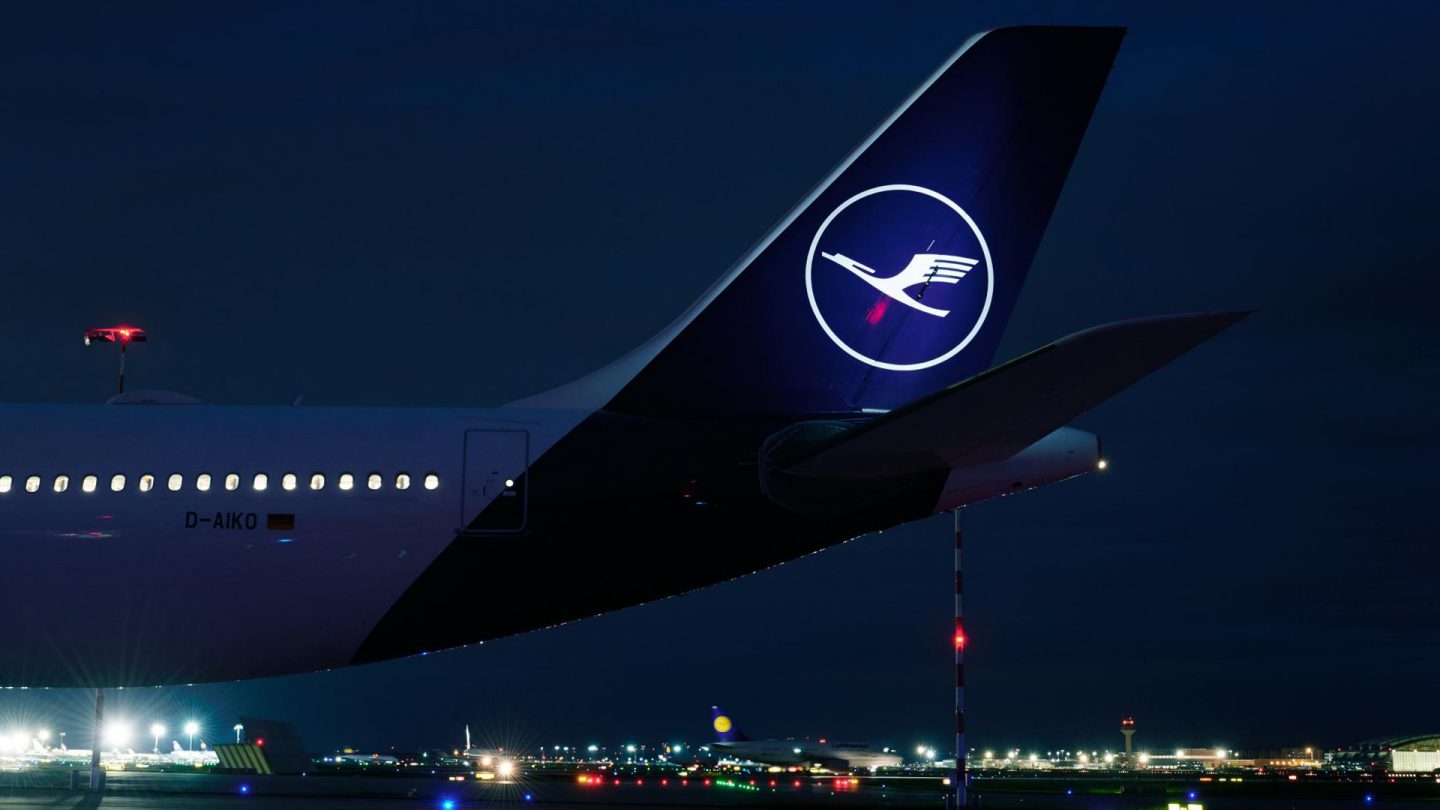
Two lights on the surface of the tail at the rear of the aircraft illuminate the logo on the vertical stabilizer. This further increases the aircraft’s visibility on the ground. As soon as the aircraft takes off, the lights are turned off.
Navigation Lights
These are the green, red, and white lights located at the wingtips and on the tail of the aircraft. The red light is always on the left wingtip, the green on the right, and the white on the tail. These lights make it possible to determine the direction from which an aircraft is approaching in the dark, since the rule “right before left” also applies in the air. However, this rule only applies to aircraft flying by visual reference at night. During the day, the lights do not need to be on.

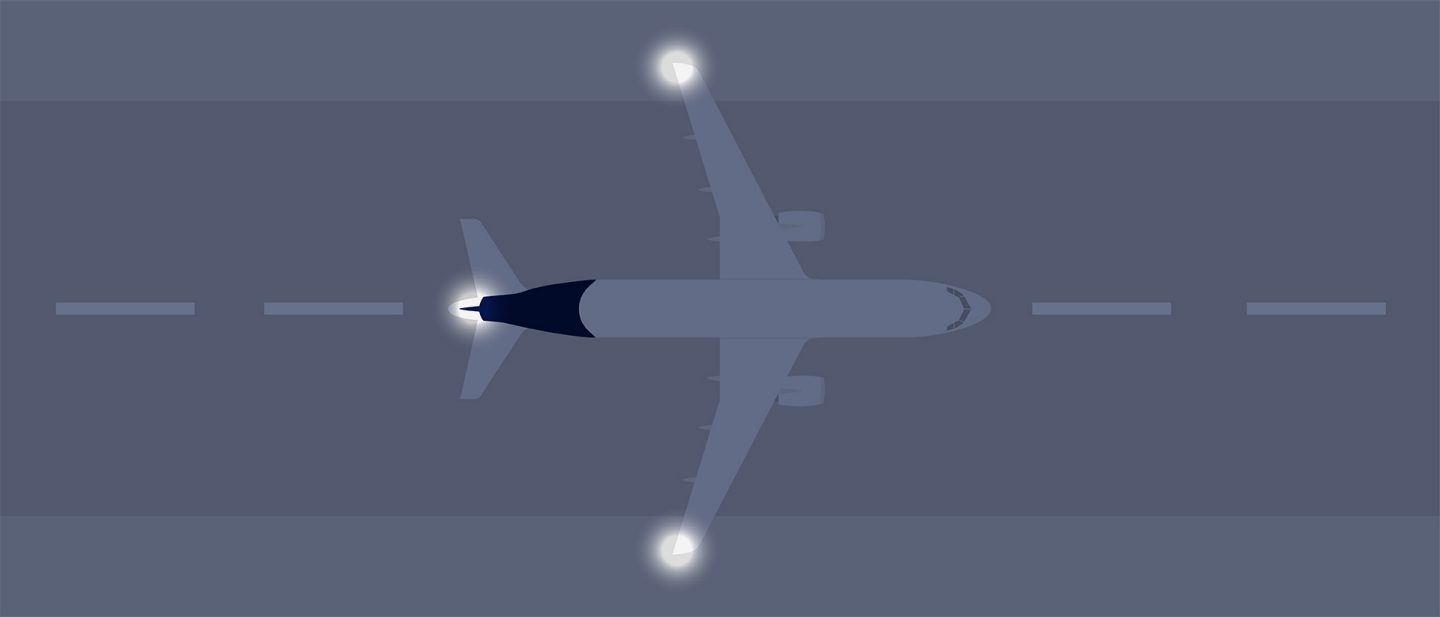
Strobe Lights
The white strobe lights on the wingtips and tail increase visibility in the air and on the tarmac. Because of their high luminosity, they are activated only when the aircraft is taxiing onto the runway. Airbus aircraft can often be recognized by their characteristic double flash, while Boeing aircraft typically use a single flash signal.
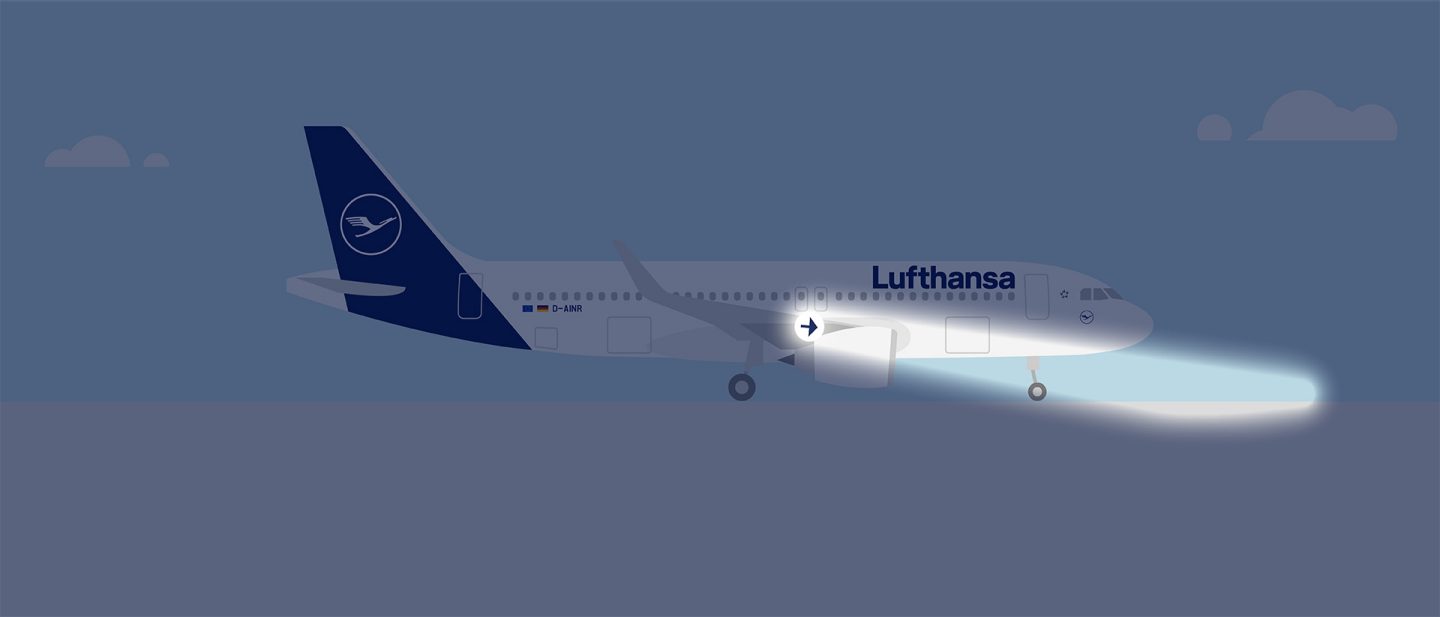
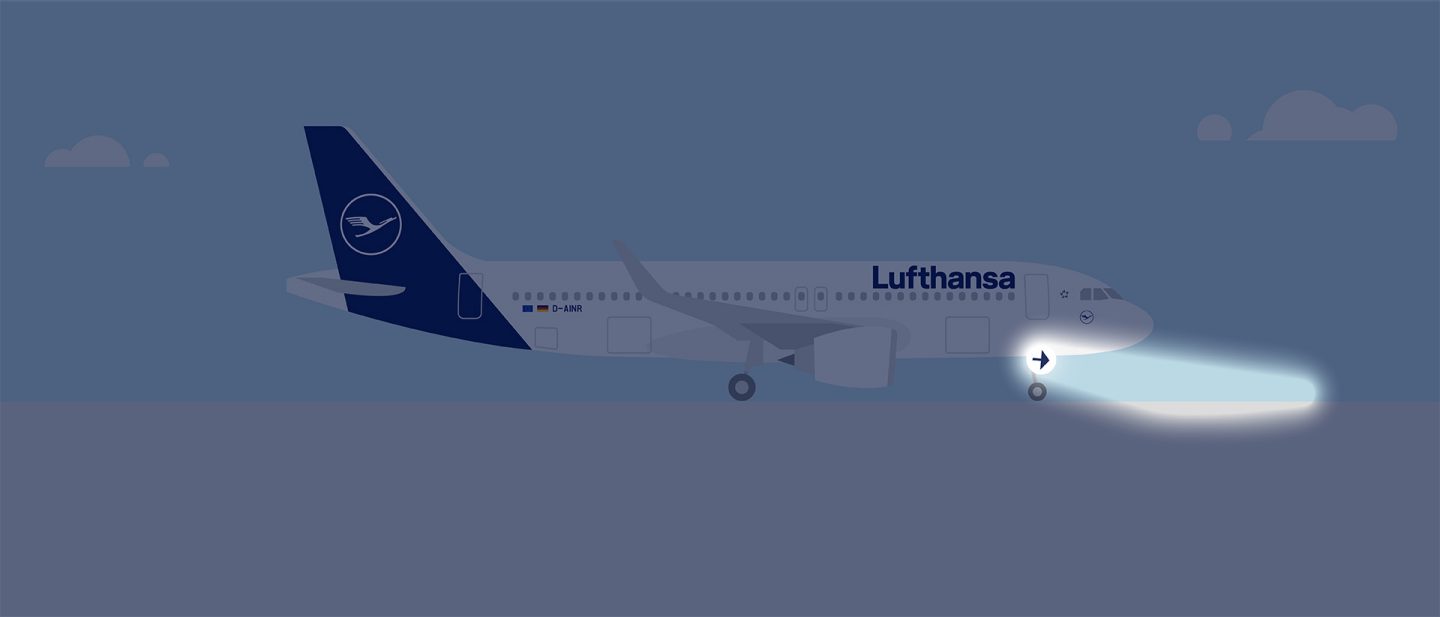
Taxi Lights
The very bright white front lights on the nose landing gear are also called runway turnoff lights. They help pilots see what lies ahead on the runway and make it easier for them to turn on the runway.
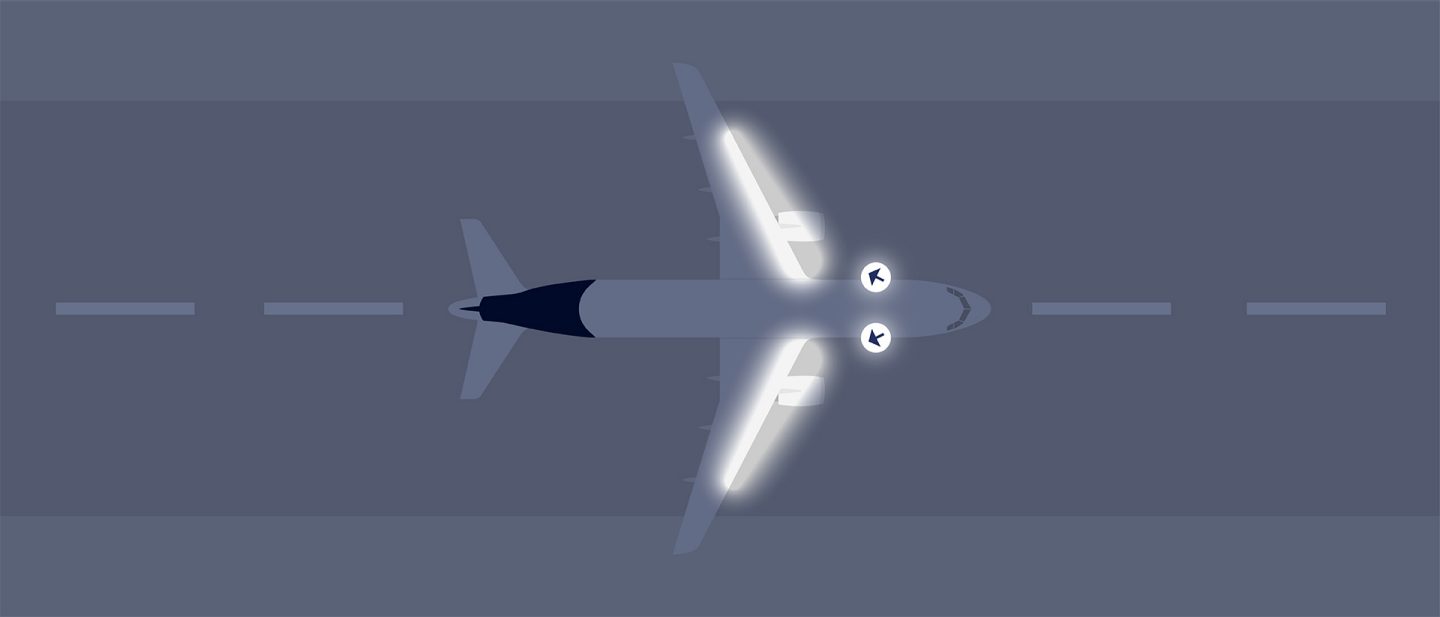
Wing Lights
The wing lights illuminate the leading edges of the wings. This makes the wings more visible in darkness, fog, or precipitation – and, among other things, allows for better monitoring of potential ice buildup on the wings.

Ready to discover the world?
Book your flight and find new inspiration – wherever the journey may take you.