


Know Before You Go: Nairobi
Between its modern skyline, colonial history, and immediate proximity to nature, Nairobi reveals a dynamic energy that is truly unique. The city demands close attention to detail – from transport routes to payment habits – but rewards visitors handsomely. This overview provides a concise summary of what you need to know to plan your trip

Getting from the Airport to the City
Jomo Kenyatta International Airport (NBO) is located about 15 kilometers (9 miles) southeast of Nairobi’s city center. The most straightforward way to get into the city is via ride-hailing services such as Uber, Bolt, or Little Cab. Depending on traffic, the journey takes around 25 to 50 minutes and typically costs between 1,500 and 3,500 Kenyan shillings. Traditional taxis are also available but are usually more expensive and should only be used if the fare has been agreed in advance. Due to often heavy traffic, it is advisable to allow extra time, especially during peak hours.
Getting Around
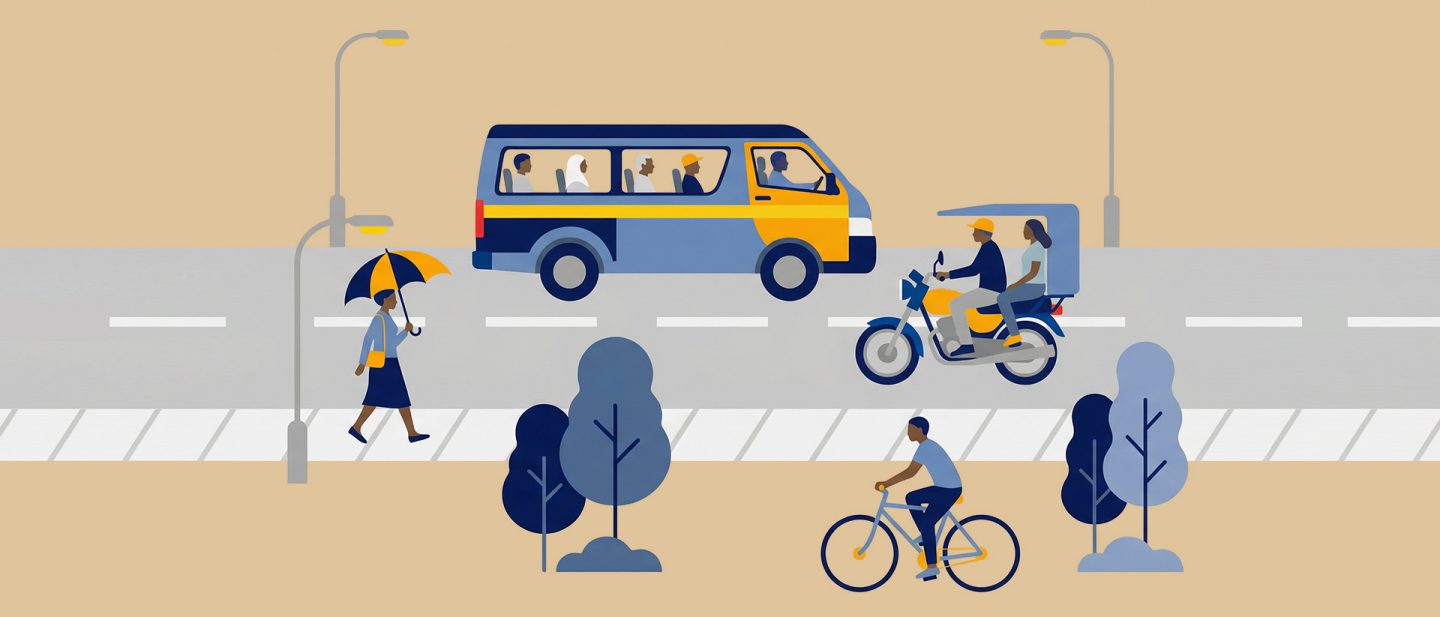
Nairobi is not a classic “walkable city.” Distances are long, sidewalks are often inadequate, and traffic is heavy. For short distances in safe neighborhoods such as Karen or parts of Westlands, walking is possible; overall, however, using ride-hailing services is recommended. Ride-hailing is very well established in Nairobi. Services like Uber and Bolt are reliable, affordable, and usually the best option. Prices are shown in advance in the app, which ensures transparency. Traditional taxis should ideally be arranged through hotels or well-known providers. A rental car is not advisable without local knowledge.
This may also be of interest to you

Payment
Card payments are common in hotels, restaurants, and shopping malls. At the same time, mobile payment via M-Pesa is ubiquitous and often even preferred. Using M-Pesa requires a mobile phone – a smartphone is not necessary – as well as a Safaricom SIM card. Initial setup is only possible at one of the official shops, which can be found in the city as well as at the airport. A passport must be presented for this. Many smaller vendors accept only cash or M-Pesa. It is advisable to use both options in parallel.

Outlets & Voltage
Type G power outlets (British standard) are used. The voltage is 240 volts at 50 Hz. Travelers from Europe therefore need an adapter. In more upmarket accommodation, adapters are often available, but this should not be assumed.
Don’t
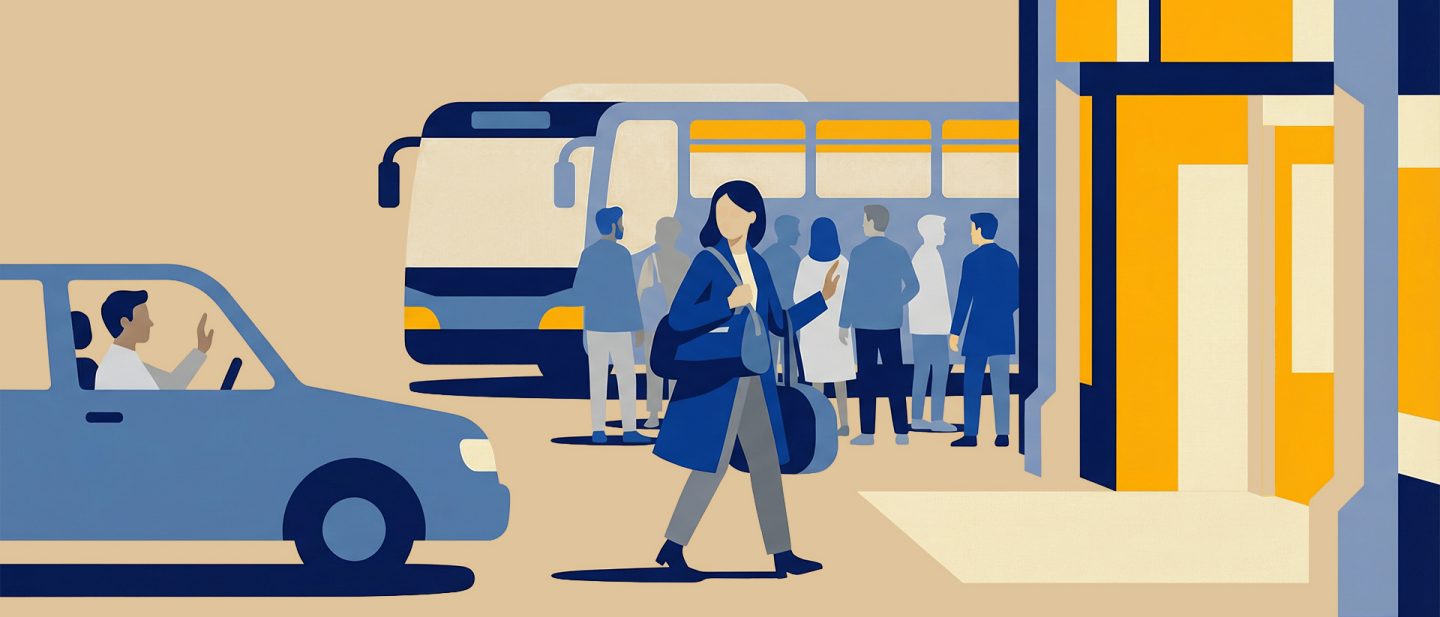
Be especially alert in crowded places and at bus stations, and keep a close eye on your valuables. After dark, it is advisable to avoid walking long distances. It is also recommended to decline unlicensed taxis or unsolicited offers on the street.

Fun Fact
Nairobi is the only capital city in the world with a national park located within the city itself: Nairobi National Park. Giraffes and lions live here in the wild against a backdrop of glass and steel skyscrapers – an impressive sight.

Ready to experience pure nature in Nairobi?
Giraffes and lions (almost) in the heart of the city: Nairobi National Park is the only one of its kind worldwide. The city also offers rich culture and fantastic food.