


Eat See Do: Málaga
Here are our three tips for an inspiring stay in Málaga, where everyday Andalusian culture, Moorish history, and the Mediterranean come together. The city feels both lighthearted and steeped in history: the sounds of the market in the morning, shade in the courtyards at midday, and fresh sea air along the promenade in the evening. We offer recommendations that reveal a side to Málaga beyond the mere beach cliché
Eat – Espetos de Sardinas by the Sea
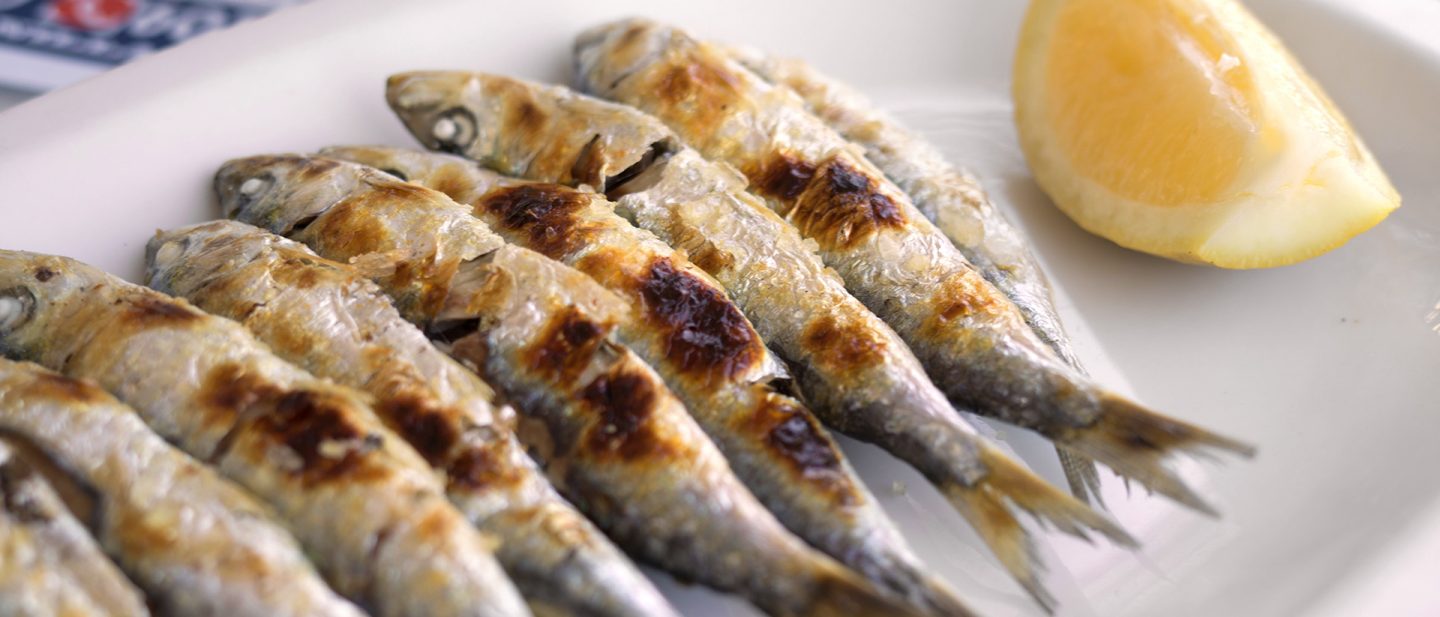
The salty, tangy flavor of the Mediterranean is best experienced in Málaga with freshly grilled sardines. These small, silvery schooling fish are skewered on a wooden stick as “espetos” and cooked over charcoal: lightly charred on the outside, juicy on the inside, with that characteristic smoky flavor that immediately brings to mind “chiringuitos,” the typical Spanish beach bars. It’s particularly delightful where the chiringuito and the coast merge, like at the Baños del Carmen in El Balneario. Here, food, sea air, the sound of the waves, and the view of the bay come together quite naturally, allowing the hustle and bustle of the city to fade into the background for a moment.
More Culinary Delights:
- Mercado de Atarazanas: Anyone wishing to experience the daily rhythm of Málaga will sooner or later find themselves in the Atarazanas market hall. Beneath the large stained-glass window, freshly piled mounds of fruit, bountiful fish counters, and an impenetrable babble of voices blend into a very Andalusian soundscape. The fact that the market was built on the site of former Moorish shipyards lends the place a historical depth that you pick up almost incidentally as you wander between the stalls.
- Ajoblanco: Almonds, garlic, stale white bread, olive oil, water, and vinegar: just a few, yet typical regional ingredients are all that's required to make ajoblanco, one of Andalusia’s most popular soups. This cold specialty, whose name literally means “white garlic,” is creamy, nutty, and, particularly on hot days, a refreshing alternative to heavier dishes. Due to its pale color, it is sometimes also referred to as “white gazpacho” and is invariably served with green grapes.
- Porra Antequerana: Anyone looking for a hearty and cool refreshment in the heat of the summer shouldn't miss out on Porra Antequerana. This thick soup made from tomatoes, bread, olive oil, and garlic is usually served with tuna and egg, making it a full meal in itself rather than just an appetizing starter. Originally from nearby Antequera, it is now a staple of the city’s everyday summer cuisine.
This may also be of interest to you



See – Alcazaba and the Roman Theater
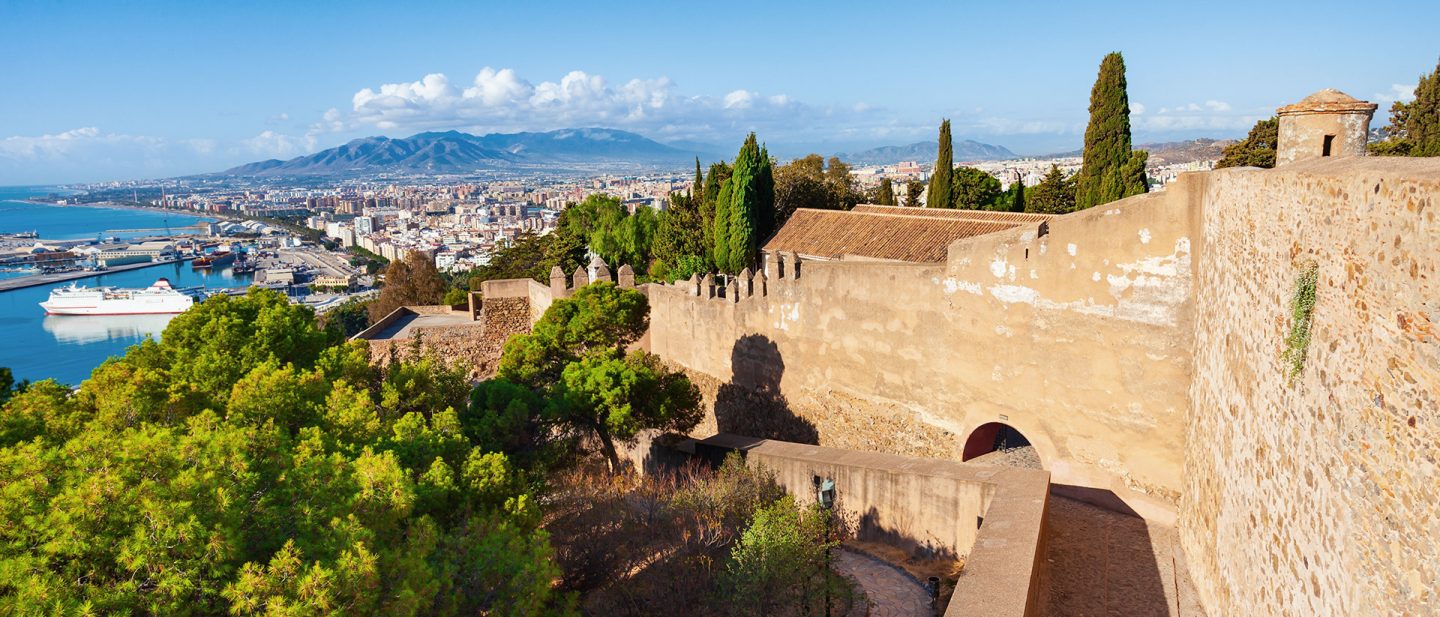
Málaga is multifaceted and features aspects of different eras: below, the Roman Theater; above, the Alcazaba, an ancient Moorish fortress, as if the city were deliberately revealing its varied heritage. The view constantly changes as you walk through the Alcazaba. At times you look out over the harbor and the city; at others you stand in a courtyard or at a gap in the wall, through which the view appears as if framed. In this way, Málaga does not feel like being in a museum, but can be experienced as a city that has grown over time.
Also Worth Seeing:
- Museo Picasso Málaga: Málaga is the birthplace of the world-famous painter Picasso. The museum dedicated to him does not present his works chronologically, but rather offers a focused and skilful insight into his artistic development, his breaks, and changes in style. It's an absolute must-see for all art enthusiasts keen on Surrealism and Cubism.
- Málaga Cathedral (La Manquita): This Renaissance and Baroque-style church is one of those buildings that was never completed. As a result, the cathedral in the Andalusian metropolis only has one tower instead of the two that were planned, and is therefore affectionately known as La Manquita – meaning “the one-armed lady.” Although you can only climb the shorter, unfinished tower, the view from there over the Old Town and the harbor spans wide left and right, making it the perfect spot to get your first impression of the city.
- Centre Pompidou Málaga: The Centre Pompidou brings international contemporary art right to the harbor and, with the colorful El Cubo, makes a conscious modern statement in the cityscape. The changing exhibitions and works from the Paris collection have made Málaga a firm fixture on the global art scene.
Do – Elevation Gain on the Caminito del Rey
Just outside Málaga, the Caminito del Rey offers an adventurous experience that provides a dramatic showcase of Andalusia’s landscape: walkways and paths run close to the rock faces, affording views deep into the valley. The route has been accessible once more since its reopening in 2015 and remains an impressive excursion. Instead of beach panoramas, gorges, rocks, and vast open spaces dominate here, forming a stark contrast to the city by the sea.

Further Experiences:
- Muelle Uno & Palmeral de las Sorpresas: Fancy a relaxing stroll? Muelle Uno and the Palmeral de las Sorpresas together form the modern, maritime heart of Málaga, connecting the Old Town and the harbor with a continuous footpath right by the water. Amid modern pavilions, yachts, and palm trees, there are clear views of the city skyline, the cathedral, and the Alcazaba.
- La Malagueta: Museum in the morning, sea in the afternoon – this is the perfect plan, as the city beach is just a few minutes’ walk from the Old Town, making Málaga an oasis of relaxation without the need for long journeys or planning. It is this proximity that makes it so appealing: you can still see the city while sitting on the sand.
- Castillo de Gibralfaro: The climb is well worth it, particularly for the circular walk along the ramparts. From up here, you can understand Málaga’s layout a little better: the harbor basin, the bullring, the cathedral, and the coastline are clearly laid out before you. Anyone wishing to grasp Málaga’s geography and hike their way to the view will be richly rewarded.
Ready to experience Málaga, the pearl of the Costa del Sol?
Perfect beaches, delicious food, and plenty of culture – Málaga is the ultimate all-round destination in Andalusia.