


Know Before You Go: Riga
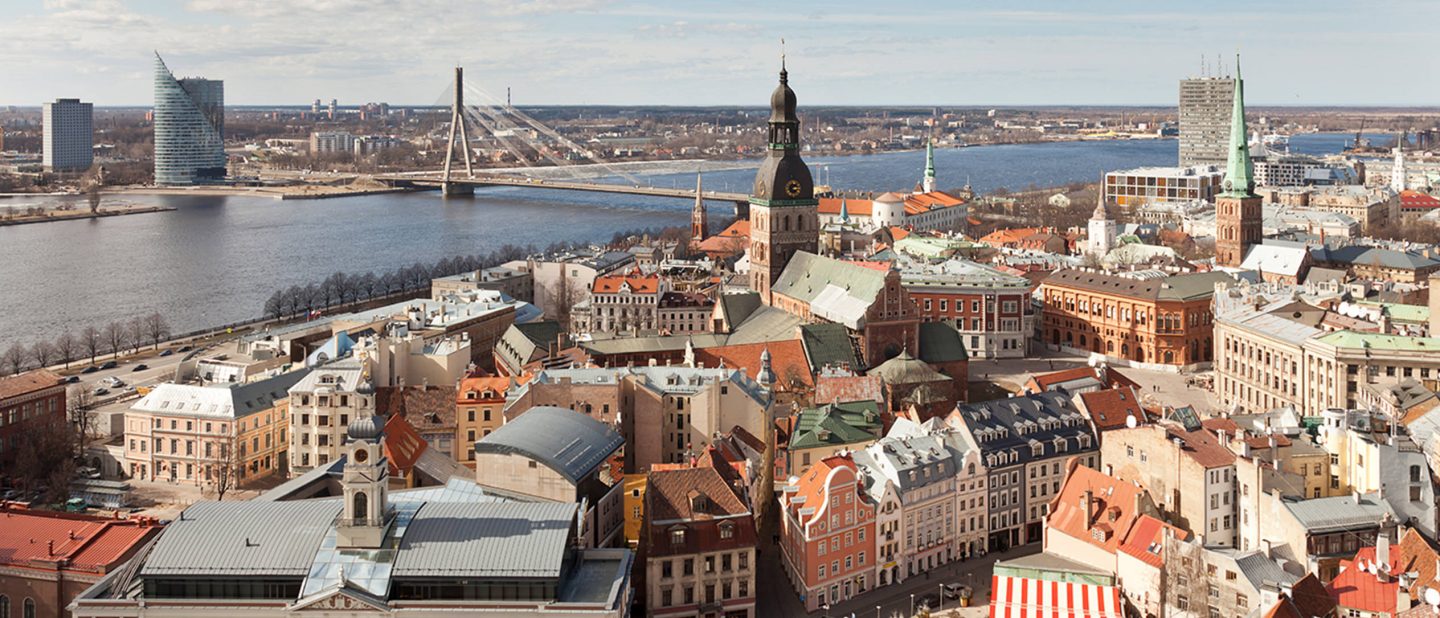
With its magnificent Art Nouveau buildings, a largely preserved or restored historic old town, bustling squares, and traditional markets, Riga exudes a unique form of urban elegance. The Latvian capital is compact enough for spontaneous exploration, yet so diverse that you can spend several days enjoying a variety of experiences. We have summarized here what you should know before your stay in the Latvian capital

Getting from the Airport to the City
Riga International Airport (RIX) is located around 10 kilometers (6 miles) southwest of the Old Town and is well connected. The cheapest option to get into the city is bus route 22 (during the day) or the night bus N22, which departs from the terminal and travels to the city center and near the Old Town. A 90-minute ticket from the ticket machine at the airport costs around 1.50 euros, while a ticket purchased directly from the driver on route 22 costs around 1.81 euros (card payment only); the journey to the Old Town takes around 25–35 minutes depending on traffic, and buses run approximately every 10 to 15 minutes during the day. Taxis and app-based ride-hailing services are available outside the terminal and take travelers to the city center in about 15 to 20 minutes; depending on the provider and time of day, the fare ranges from 15 to 25 euros.

Getting Around
Riga’s historic Old Town and the adjacent city center are very compact and easy to explore on foot. Many attractions are just a few minutes’ walk apart, though the cobblestones mean comfortable shoes are recommended. For slightly longer journeys, trams, buses, and trolleybuses are ideal. The city is also gradually developing its cycling infrastructure; cycling is pleasant on designated paths and along the Daugava, though caution is advised in the busy city center and on cobblestones.
This may also be of interest to you

Tipping
There is no fixed tipping policy, but it is customary to show appreciation for good service. In restaurants, 5 to 10 percent of the bill is considered appropriate, provided no service charge is included. In cafés or taxis, people often simply round up to the nearest whole figure. In hotels, housekeeping and porters appreciate a small tip (around 1 or 2 euros per night or per piece of luggage), though it is not expected.

Payment
Card payments are widely accepted in Riga – from hotels and restaurants to supermarkets and ticket machines. Contactless payments using credit and debit cards, as well as Apple Pay or Google Pay, are standard in many shops. However, smaller market stalls or individual kiosks still prefer cash, so having a small amount of coins and notes to hand can be useful.

Don’t
Avoid being loud in the Old Town, on the waterfront, or in residential streets – especially in the evening and at night. Riga has strict quiet hours, and disruptive noise is not tolerated in public spaces. Furthermore, the consumption of alcohol in public is strictly prohibited.

Fun Fact
In recent years, Riga has developed into one of the most exciting coffee cities in Northern Europe. Alongside the historic coffee house tradition, a vibrant scene for specialty coffee has emerged, featuring small roasteries, minimalist cafés, and baristas of international calibre.
Ready to discover Riga?
Book your flight and get ready for your trip. With our tips, it will be unforgettable.