


Essentials: Oslo
"The Scream" times four and free passage for pollinators: five things about Oslo that will surprise you
More Than Just a "Scream"
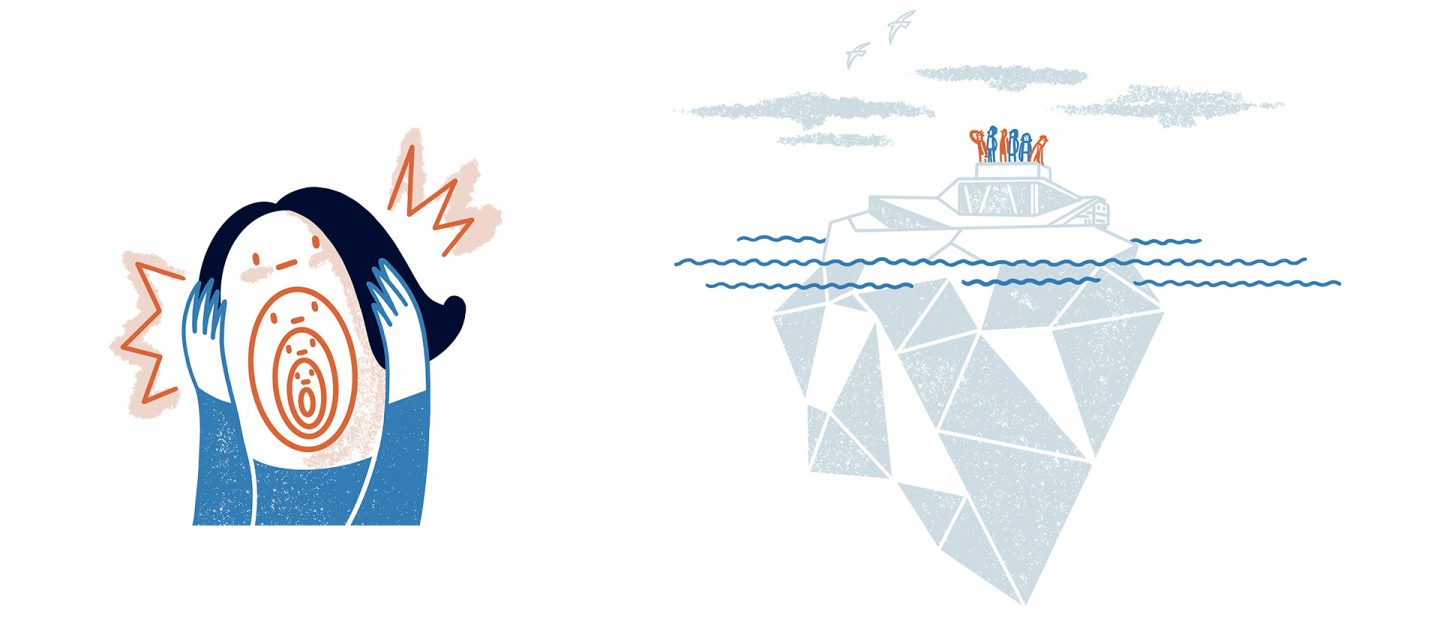
"The Scream" by Edvard Munch is one of the most famous paintings in the world, perfectly capturing a moment of immense fear. Almost everyone recognizes this image, but few people know that there are multiple versions of it. Two of them hang in the Munch Museum and the National Museum in Oslo, respectively. There are actually four paintings in total.
What an Encore: An Opera House With a View
Resembling an iceberg jutting out into the fjord, the Oslo Opera House begs to be climbed. What's interesting about this building, which opened in 2008, is that you are allowed – and even encouraged – to climb onto the roof to enjoy the view.
Sled, Slide, Repeat: Oslo's Korketrekkeren
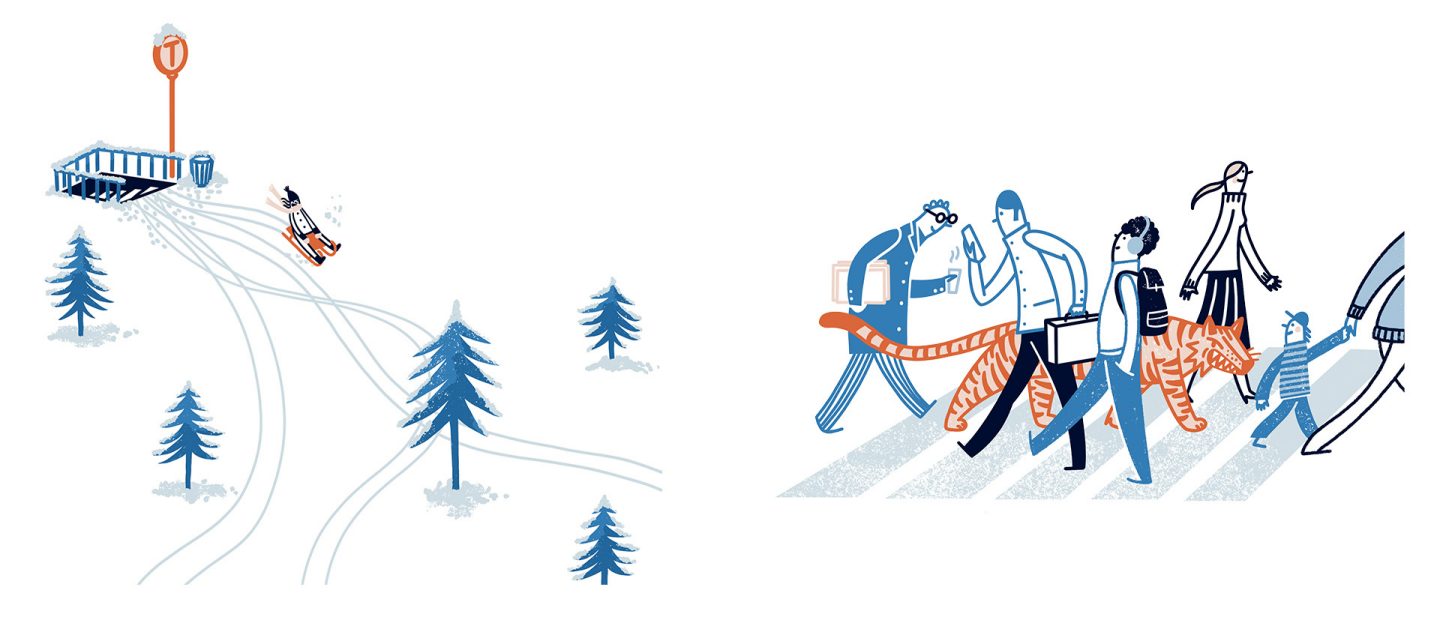
In Oslo, you can take the subway directly to a toboggan run called "Korketrekkeren" (The Corkscrew). You can rent sleds, and after a thrilling two-kilometer descent, the subway will take you right back to the starting point, ready for another go!
Oslo, the Urban Jungle!
Although there are, of course, no wild tigers living in or around the city, Oslo is known as "Tigerstaden" (Tiger City). This nickname originates from a poem by Bjørnstjerne Bjørnson from 1870. In the poem, the tiger symbolizes the city's dangerous and ruthless nature. Today, a large tiger statue in front of the main train station commemorates the city's nickname.
Highway to Holmenkollen: Bees Come First
Oslo has established the world's first "bee highway." Consisting of a series of flower-filled areas and beehives, the highway enables wild bees to safely travel through the city and act as "rest stops." Bees can now cover the distance between Holmenkollen in the northwest and Lake Nøkkelvann in the southwest, making a few stops along the way.

Ready to discover the world?
Book a flight and write your own story. Our travel tips will make it unforgettable.