


Know Before You Go: Bogotá
"La Atenas de Sudamérica" ("the Athens of South America") – that's what Colombians call their capital, and the nickname is justified. Bogotá has long been considered one of the most important centers for literature, education, and science in Latin America. It is a vibrant metropolis at an altitude of over 2,600 meters (8,660 feet), which can leave newcomers breathless at first – in the literal sense. Here's what you should know about the Colombian capital before your stay
Getting from the Airport to the City
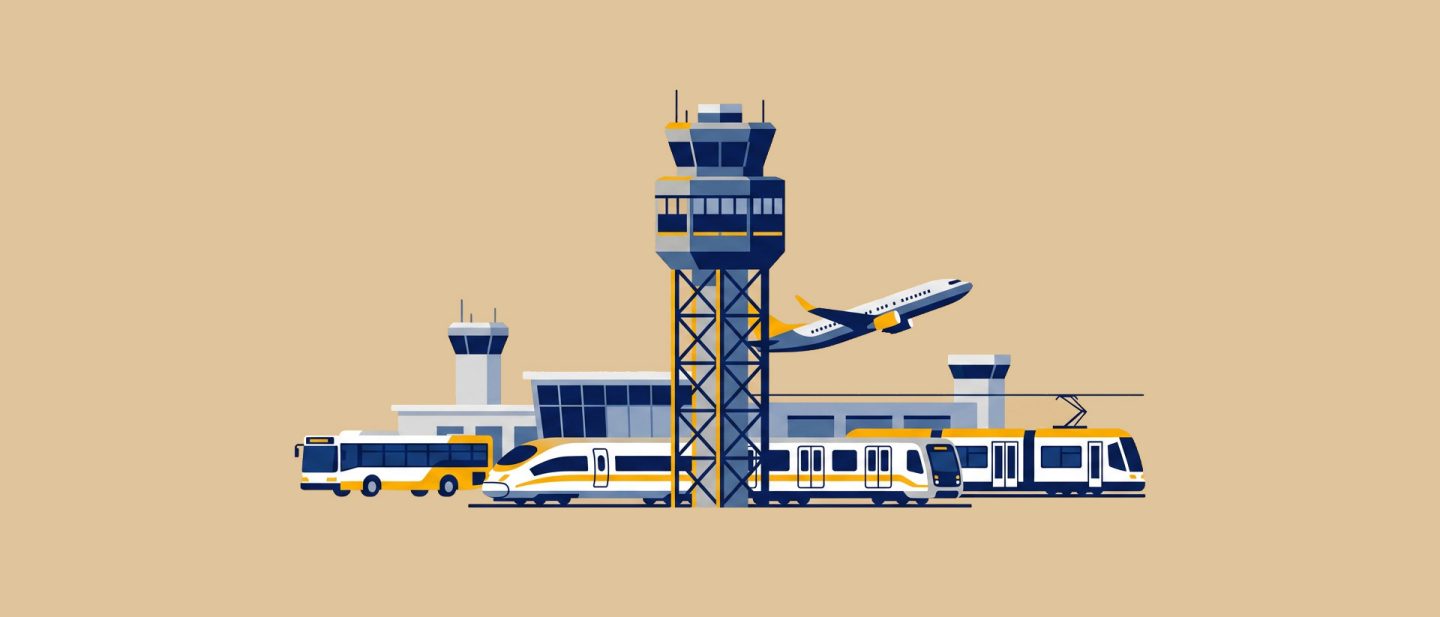
El Dorado International Airport (BOG) is located about 15 kilometers (9 miles) northwest of the center. The cheapest transport option is the TransMilenio express buses, which can be reached from the terminal using the free green shuttle buses; depending on the destination, the journey takes about 45 to 70 minutes and costs around COP 3,000. Official taxis or driving services such as Uber and Cabify, which take about 25 to 45 minutes, depending on traffic, are much more comfortable. However, heavy traffic is part of everyday life in Bogotá, especially during rush hour.

Getting Around
Bogotá is huge! Individual districts such as La Candelaria, Chapinero, and Zona Rosa can be easily explored on foot, but for longer distances you need the express buses of TransMilenio and the regular buses of the SITP (Sistema Integrado de Transporte Público). The city has one of the largest bicycle path networks in Latin America and closes many main roads on Sundays for the famous "Ciclovía." A rental car rarely makes sense because of the traffic and the parking situation.
This may also be of interest to you
Payment
In Colombia, payment is made with the Colombian peso (COP). Many prices are in the five-digit range, which can seem a bit unusual at first – a coffee, for example, quickly costs 8,000 to 12,000 pesos. ATMs are widely used, especially in shopping malls and business districts.
Outlets & Voltage
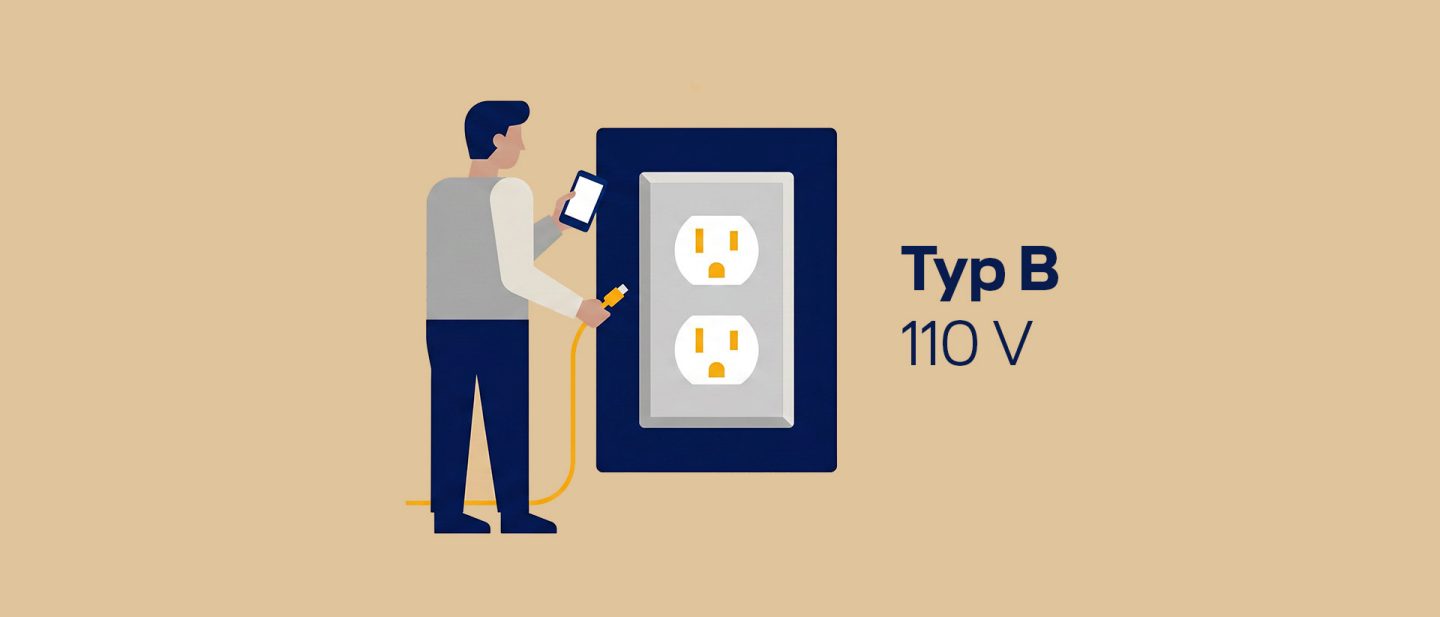
Colombia uses Type A and B sockets, similar to the US. The mains voltage is 110 volts, the frequency 60 hertz. Adapters are therefore required for European devices – but many modern chargers automatically support both voltages.
Don't
Don't do anything too strenuous during your first few days in Bogotá. The city is located at an altitude of around 2,600 meters (8,660 feet), so physical exertion without getting used to it can tire you out faster than expected. Walks, stairs, or the ascent to Bogotá's local mountain Monserrate should therefore not be underestimated immediately after arrival.

Fun Fact
Bogotá is one of the few capitals in the world where the sun rises and sets almost at the same time every day. Due to its proximity to the equator, the length of the day fluctuates very little, and the seasons are also not pronounced. Often the afternoons bring intense rain showers that pass as quickly as they came. It's no coincidence that there is a saying among residents: "In Bogotá you experience four seasons in one day."

Ready to discover Bogotá?
Book your flight and get ready for your trip. With our tips, it will be unforgettable.
*The prices incl. all taxes, fees, carrier surcharges may vary and serve as a guide for your selection.