

Eat See Do: Manchester
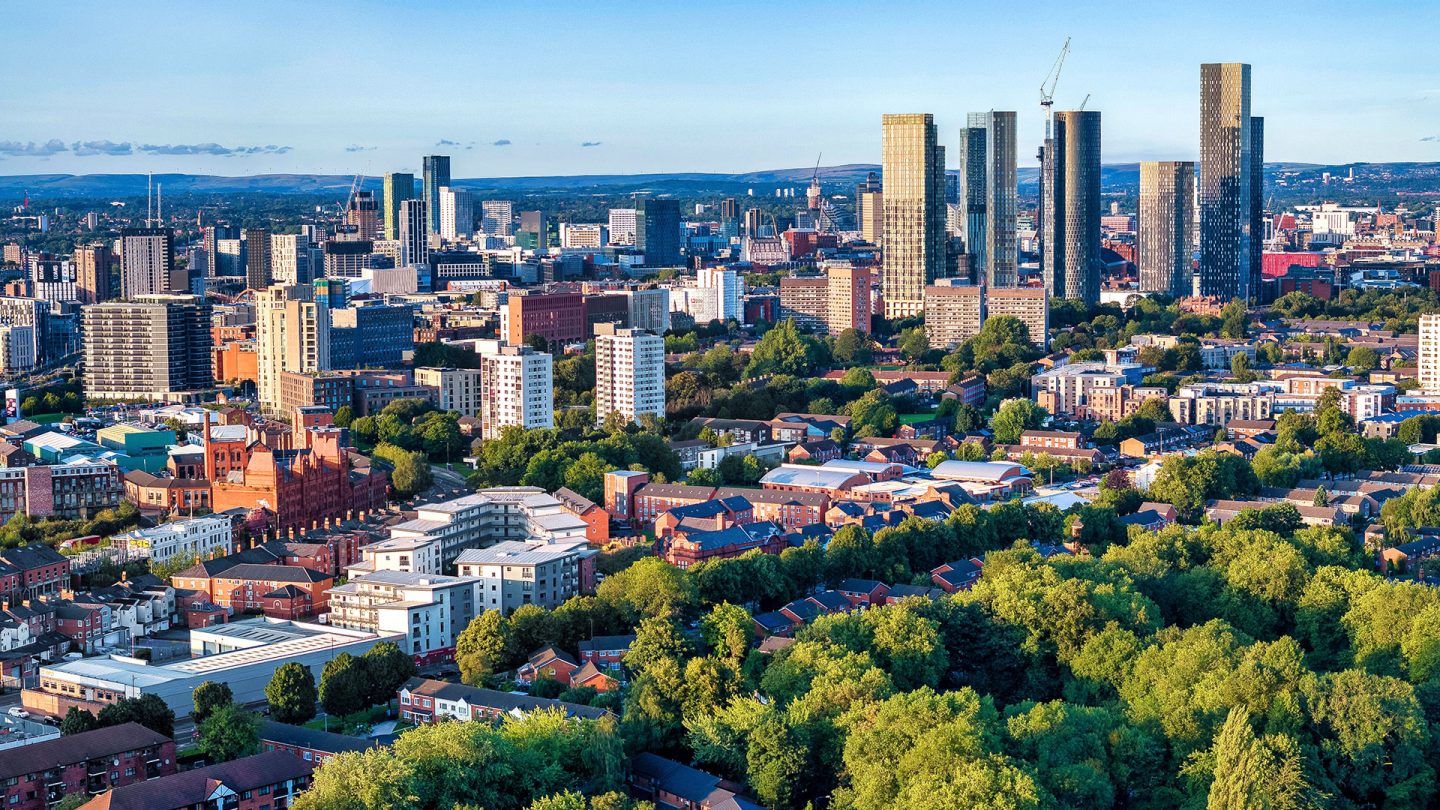
Manchester is a city that doesn’t hide its industrial history but is instead carrying it into the future in its culture, architecture, and everyday life. Amid waterways, brick buildings, and emerging urban neighborhoods, tradition and innovation go hand in hand. We’ll show you the delicacies, sights, and experiences this metropolis in northwest England has to offer
Eat – Buttery Eccles Cakes
The market town of Eccles, west of Manchester, is famous for its small pastries, known as Eccles cakes. Baked from buttery puff pastry, they are filled with currants, candied lemon or orange peel, brown sugar, and butter, and seasoned with nutmeg, allspice, and cinnamon. Because of their dark filling, they are also jokingly called "squashed fly cakes." They taste best warm, with a slice of Lancashire cheese, which balances the sweet and salty flavors perfectly. In the past, these treats were even considered so decadent that they were briefly banned by the Puritans. For an authentic taste of this traditional pastry, head to Albert Street Bakery, where the cakes are still handmade according to time-honored methods.

More Culinary Delights:
- Rice & Three: Manchester has a long-standing curry culture, and "Rice & Three" sums it up perfectly: rice, three curries, pragmatically combined – and that’s exactly why it’s so beloved. At This & That in the Northern Quarter, this Indian-inspired lunch has been served for four decades.
- Manchester tart: This is one of the most famous desserts from the school days of many northerners. It’s made with shortcrust pastry, a layer of raspberry jam, vanilla custard, shredded coconut, and, in some recipes, banana slices. Once a staple of English school cafeterias, especially in the 1970s and 80s, it’s now seen as a sweet classic of working-class cuisine.
- Bury black pudding: Fair warning: if you order this dish in Manchester, you won’t get a wobbly dessert but a savory blood sausage made from oatmeal, pearl barley, onions, and pork fat. This hearty, slightly peppery specialty is an integral part of English food culture and, alongside baked beans and hash browns, a fixture of the "Full English Breakfast" on many menus.
This may also be of interest to you



See – Neo-Gothic at the John Rylands Library
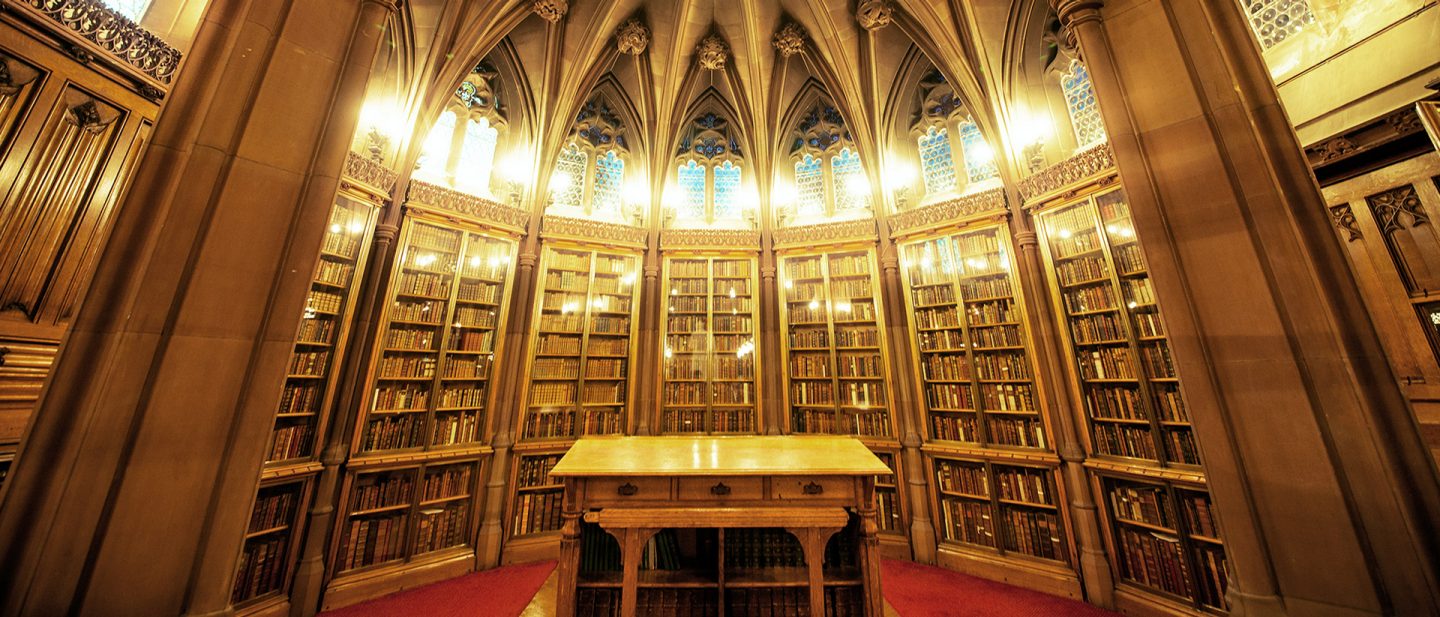
A room straight out of a novel – that’s the impression the John Rylands Library on Deansgate makes the moment you close the heavy door behind you. Opened in 1900, this neo-Gothic building is more than just a library; it’s a monument to public culture in a city once defined by industry and commerce. Surrounded by dark wood and soft lighting, an almost chapel-like calm prevails. Yet the place feels alive, not like a museum. Here, the books take center stage, not the opulent architecture.
Also Worth Seeing:
- Science and Industry Museum: In addition to historic steam engines, the Science and Industry Museum showcases many other inventions that have shaped our modern age and continue to have an impact to this day. Here, for example, stands Robert Stephenson’s Rocket locomotive, which ran on the world’s first steam-powered railway line for passengers and freight. For anyone interested in technology, the museum should be at the top of their bucket list for Manchester.
- Manchester Town Hall: Anyone familiar with Manchester as an industrial city will find the architecture at Manchester Town Hall to be a perfect fit. The neo-Gothic building on Albert Square was constructed in 1877 according to plans by Alfred Waterhouse and symbolizes the stony self-confidence of a city at the height of the Victorian era. Inside, the Great Hall, which features Ford Madox Brown's "Manchester Murals," tells the story of Manchester in a series of paintings, from its early beginnings to its industrial success story.
- Manchester Cathedral: Nestled among glass façades and office complexes, Manchester Cathedral is a structure whose origins date back to the 15th century. Particularly impressive are the finely carved choir stalls and the minstrel angels, 14 life-size wooden angels holding gilded musical instruments high up in the vaulted ceiling.
Do – a Garden Above the Industrial City
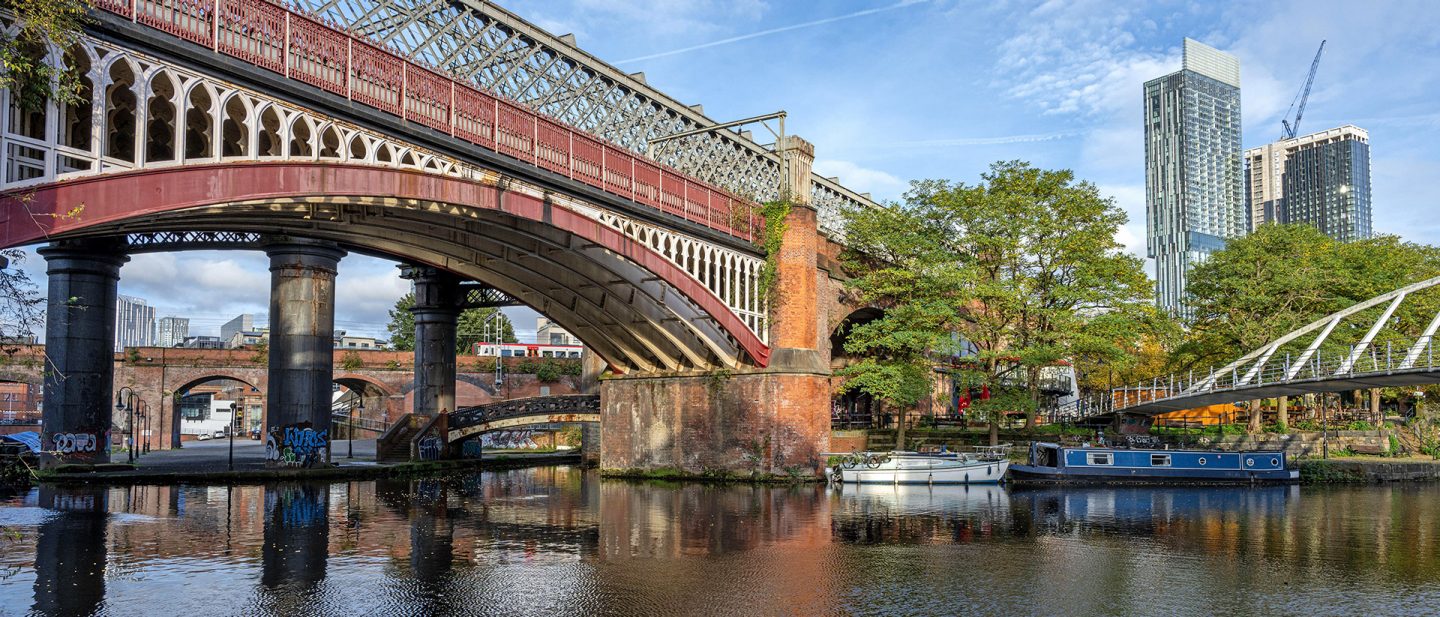
A stroll above the rooftops: that’s what it feels like on the Castlefield Viaduct, where Manchester suddenly gains a second level, 17 meters (56 feet) above the ground. The former Victorian railway line was opened by the National Trust as the Sky Garden and now offers visitors sweeping panoramic views of the city. Some 3,000 plants create a green oasis amid the steel railway architecture, while beneath the viaduct, canals, brick buildings, and railway lines bear witness to the character of the old industrial city. You’re left with the impression that you’ve viewed Manchester from the outside, even though you’ve walked right through the middle of it.
More Experiences:
- Old Trafford: Thanks to Manchester United, soccer is part of the city’s identity, and Old Trafford is its most famous symbol. The home of the club since 1910 and nicknamed the "Theatre of Dreams," the stadium is a place where sports history comes to life. A stadium tour through the players’ tunnel, across the stands, and into the museum recalls the club’s great games and players.
- Aviva Studios: Culture as a testing ground – that’s what Aviva Studios, run by Factory International, an independent, non-profit cultural organization, are all about. Opened in 2023, the building was deliberately designed as a multifunctional space where large-scale performances, concerts, events, and exhibitions can take place under one roof. Anyone who wants to understand Manchester as a city of the present and the future will find what they're looking for here.
- Hiking in the Peak District: Nature is never far away in Manchester, and the Peak District promises a particularly impressive change of scenery. The Great Ridge, one of England’s most famous high-altitude trails, extends over the 517-meter-high (1,696 feet) Mam Tor (Mother Hill), offering sweeping views of valleys and moorlands. The route, which is just under 13 kilometers (8 miles) long, is manageable but feels like a proper day in the outdoors thanks to the elevation gain and vastness of the landscape.
Ready to discover Manchester?
Book your flight and get ready for your trip. With our tips, it will be unforgettable.