

This page provides further information on the Lufthansa Group’s climate protection project portfolio – including details on mechanisms, project standards and project activities. Lufthansa Group passengers can contribute to these projects as part of our customer offers.

The climate protection project portfolio comprises selected projects from the five providers myclimate, First Climate, Ceezer, Climeworks and Senken. It includes projects in the Lufthansa Group’s home markets of Germany, Austria, Switzerland and Belgium, as well as projects in other countries worldwide. All projects meet high quality standards and ensure that CO2 emissions are either avoided or removed from the atmosphere.
A complementary approach to addressing CO2 emissions
The support of climate protection projects, often referred to as “compensation” or “offsetting”, can complement efforts to address greenhouse gas emissions. Since aviation is one of the sectors that is particularly difficult to decarbonize, residual emissions are expected to remain in the future despite a clear focus on reducing emissions – for example, through ongoing fleet modernization, Sustainable Aviation Fuel and efficiency measures. Climate protection projects can therefore play a complementary role for the residual emissions in helping to avoid emissions or remove CO2 from the atmosphere outside the aviation industry.
With your support, the Lufthansa Group helps finance these projects, which are intended to avoid or remove CO₂ emissions, and helps stimulate demand at an early stage, thereby supporting the development and scaling of CO2 removal technologies.
Climate protection projects meeting recognized quality standards
Climate protection projects involve complex ecological and social interrelationships, the actual climate benefits of these projects may vary due to uncertainties regarding their effectiveness, permanence and verification. To ensure their quality and impact, projects are carefully selected and assessed against recognized standards such as Gold Standard and Puro.Earth for worldwide projects, or standards such as Rainbow Standard and ISO 14064 for European projects.
Climate protection projects work by removing or avoiding CO2
Climate protection projects supported by the Lufthansa Group fall into the two different categories “avoidance” and “removal” referring to their climate impact.
Projects that involve removing CO2 from the atmosphere and then sequestering it are known as “removal” projects.
These include nature-based projects such as reforestation. These climate benefits generally arise from the process of photosynthesis. During this process, CO2 is absorbed from the surrounding air as plants grow and is converted into sugar and starch, thereby being stored within the plants.
In technology-based removal projects, the main focus is on solutions for permanently sequestering CO2 from the atmosphere. For example, in “biochar projects”, CO2 is removed from the air via photosynthesis and sequestered as carbon in the form of biochar.
Particularly advanced technologies enable solutions in which CO2 is filtered directly from the ambient air and then stored long-term in geological reservoirs. These projects are currently available on a limited scale. The Lufthansa Group is committed to promoting and utilizing these innovative technological options.
Nature-based
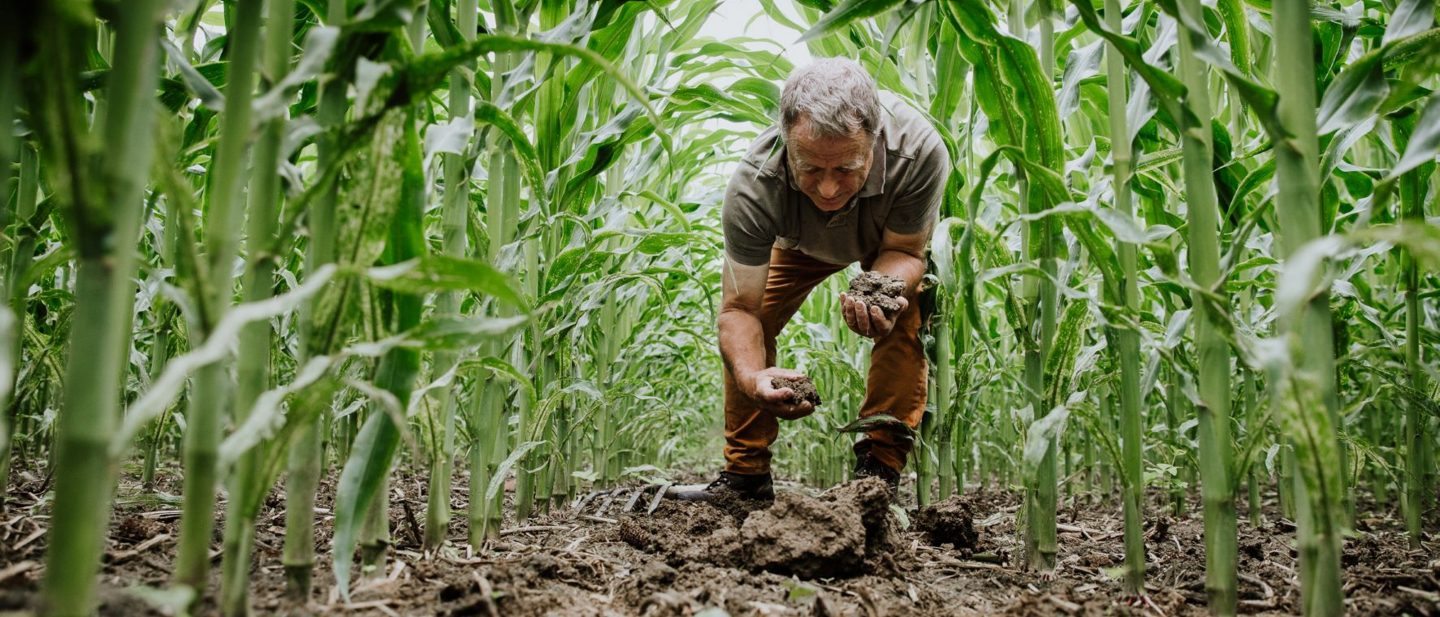
Belgium’s agricultural landscape faces a critical turning point as conventional farming depletes soil health, leaving farms increasingly exposed to droughts and floods. Soil Capital responds by managing Europe's first certified carbon payment program, rewarding farmers for their role in addressing the climate crisis.
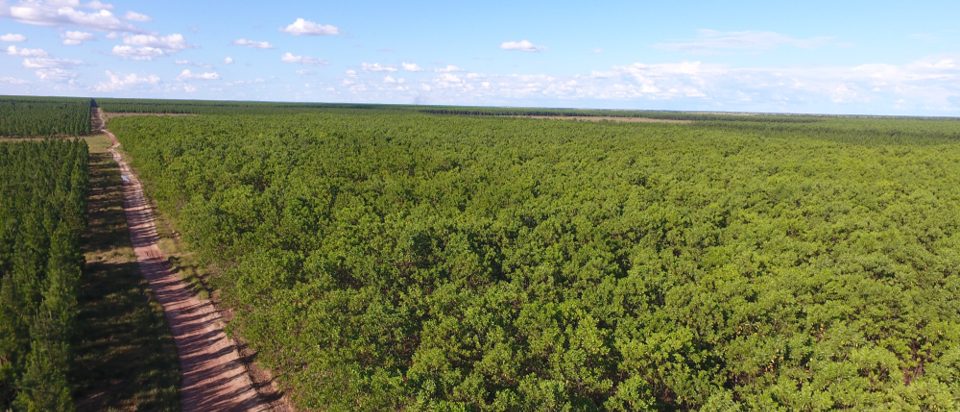
The reforestation project in Colombia’s Vichada region comprises an area of about 76,000 ha in total, including 8,000 ha of conservation area. In many places, the formerly fallow savannah is reforested mostly with teak, pine, and eucalyptus trees–turning the area into a mixed forest and a valuable habitat for many animal and plant species.
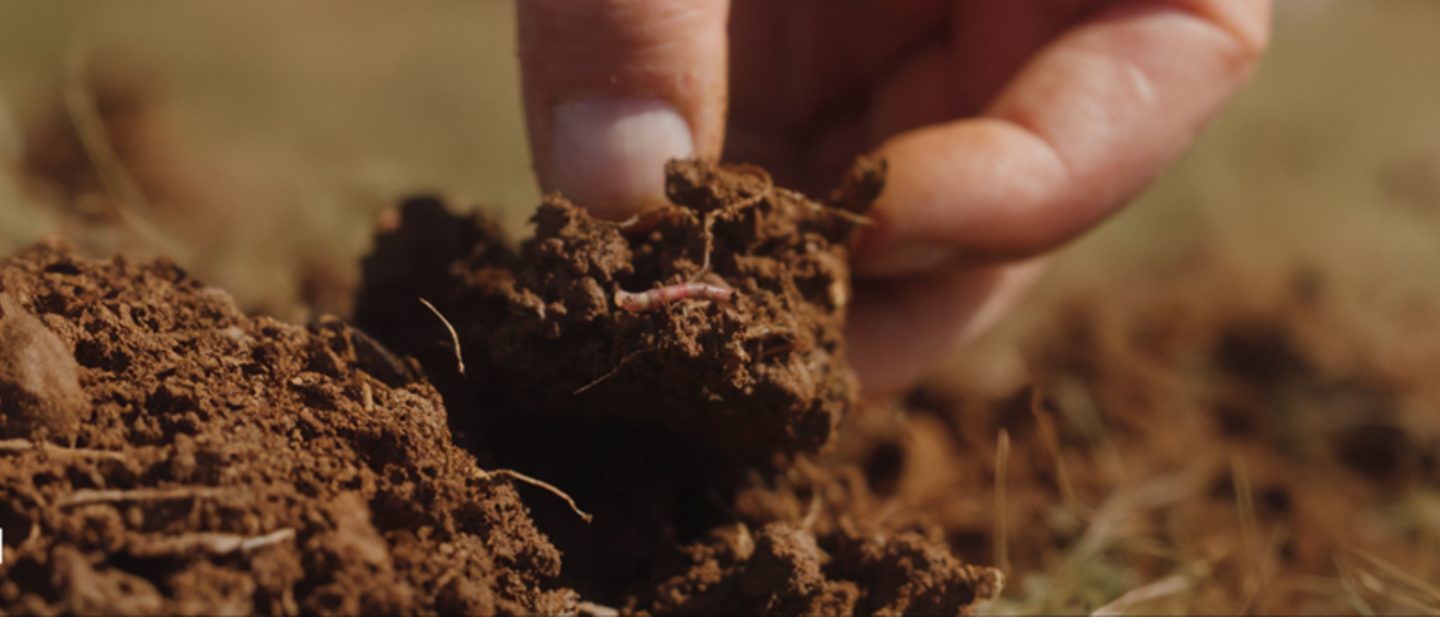
Klim’s regenerative agriculture project addresses the urgent need for soil restoration and climate protection in German agriculture. Working with over 3,500 farmers across more than 700,000 hectares, Klim supports the transition from conventional to regenerative farming practices. These practices include diverse crop rotations, reduced tillage, year-round soil cover, and organic fertilizers.
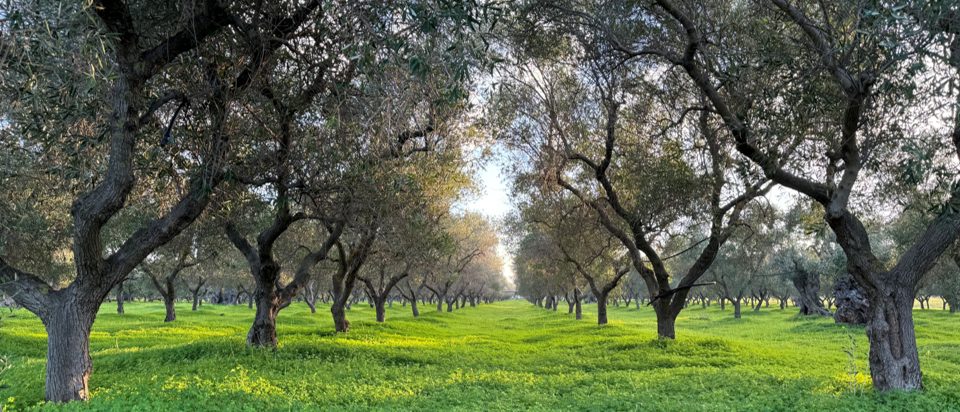
Italian agriculture currently faces severe challenges from soil degradation and climate change. The project supports the adoption of thirteen evidence-based regenerative practices, from cover cropping and reduced tillage to compost, biochar use, and agroforestry. Farmers receive technical support and training to integrate these practices, which increase soil carbon sequestration while improving productivity and reducing chemical dependency.
Technology-based
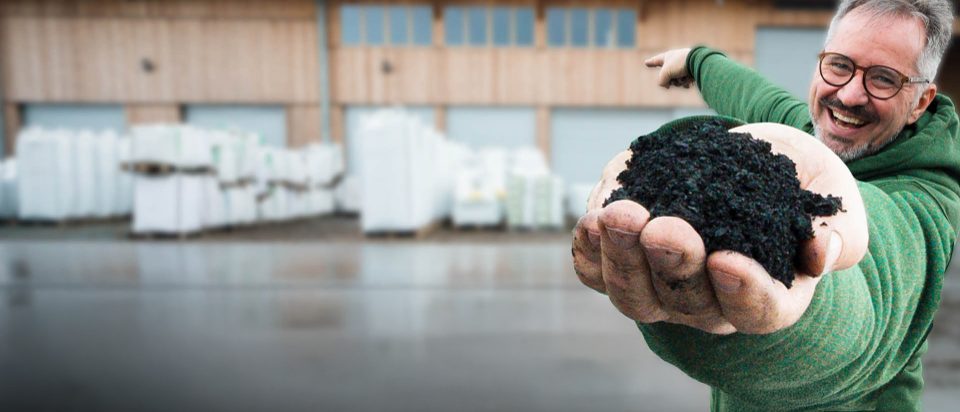
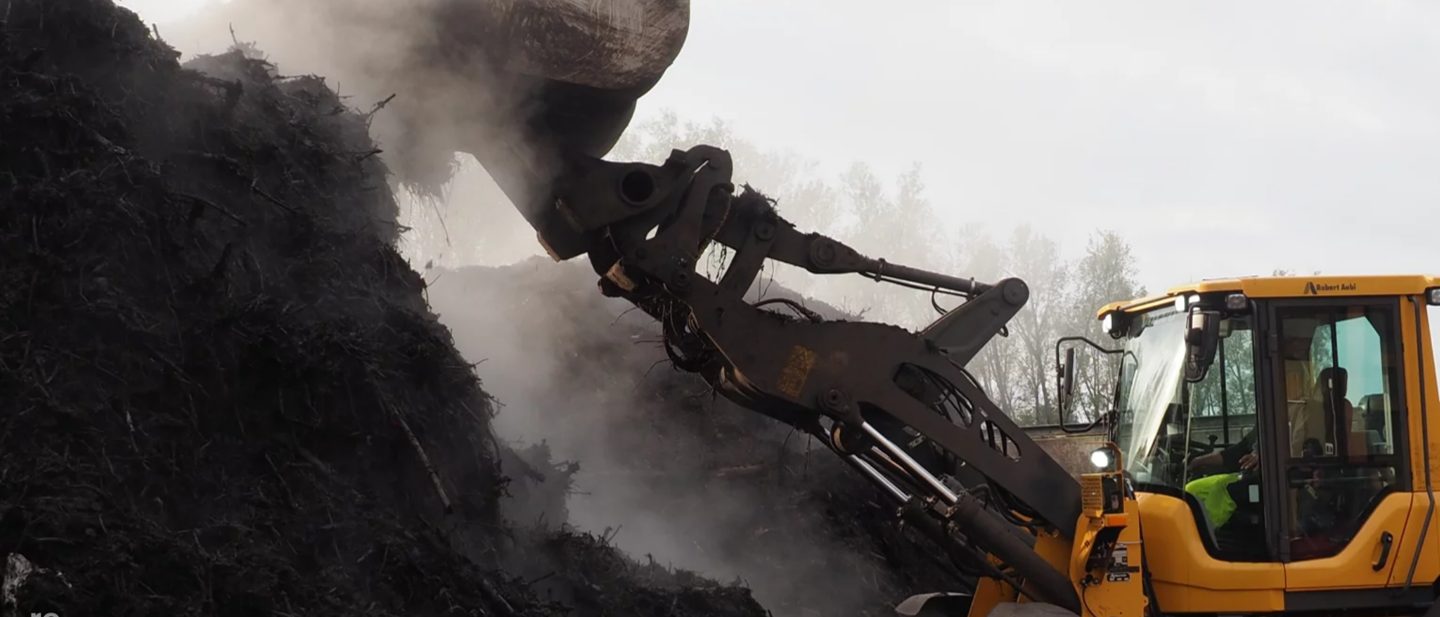
Sonnenerde has pioneered the European biochar market since 2012, converting organic waste into biochar, a climate-positive material created by heating organic residues in low-oxygen conditions. This process permanently locks CO₂ into a stable carbon form, creating a long-term carbon sink. Based in Riedlingsdorf, Austria, Sonnenerde uses screening residues from its own composting facility as feedstock.
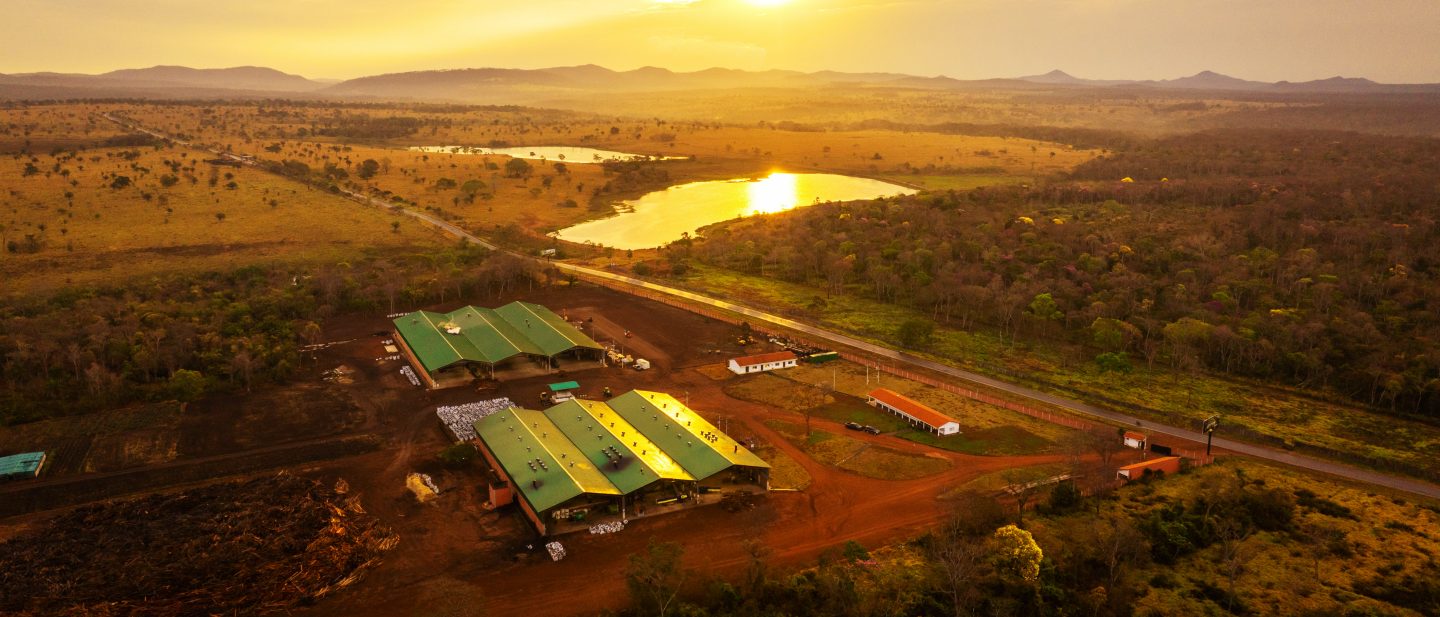
Exomad Green operates the world’s largest biochar carbon removal project, transforming sustainable forestry residues into a powerful climate solution. Exomad collects biomass and converts it into biochar through pyrolysis—a high-temperature process that locks carbon into a stable form for over 1,000 years.
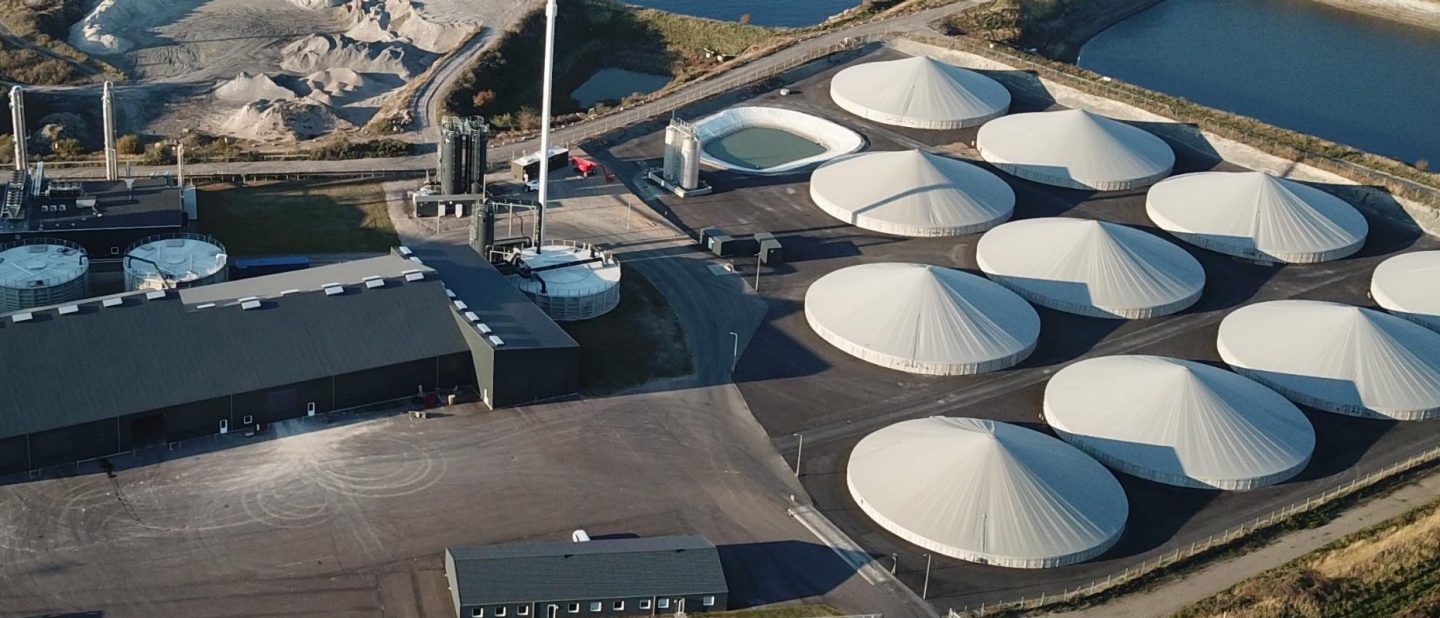
Bioenergy Carbon Capture and Storage (BECCS) is a solution for permanently removing carbon dioxide from the atmosphere. The Kalundborg Bioenergi facility, operated by Bigadan in Denmark, converts organic waste into renewable biogas. The biogenic CO₂ generated during this process is captured and transported to the Danish North Sea, where it is permanently and securely stored deep underground. The project combines innovative carbon capture technology with circular waste management to deliver durable carbon removals.
Mammoth is Climeworks’ largest direct air capture and storage plant and one of the most advanced carbon removal facilities in the world. Located in Hellisheiði, Iceland, it has been operating since May 2024. The plant removes carbon dioxide (CO₂) directly from the air and stores it permanently underground, where it is transformed into stone.

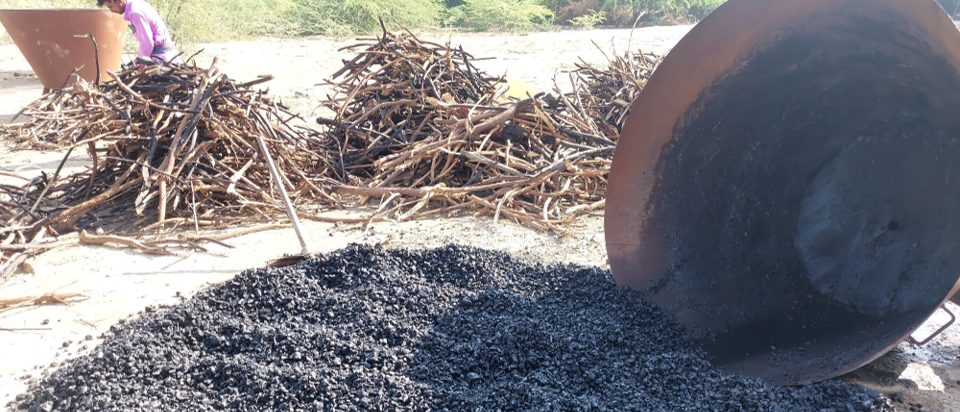
Located in rural India, this community-led project is one of the world's largest biochar initiatives. By converting biomass into stable biochar through high-temperature pyrolysis, the process ensures durable carbon removal (CDR), locking atmospheric CO2 into a stable form with an expected permanence of over 1,000 years.
Switzerland faces a critical need for scalable carbon removal solutions to manage biomass residues that would otherwise release CO₂ and methane during natural decomposition. Recoal is one of the first companies to address this problem with a novel Biomass Carbon Removal and Storage (BiCRS) approach based on Hydrothermal Carbonization (HTC).
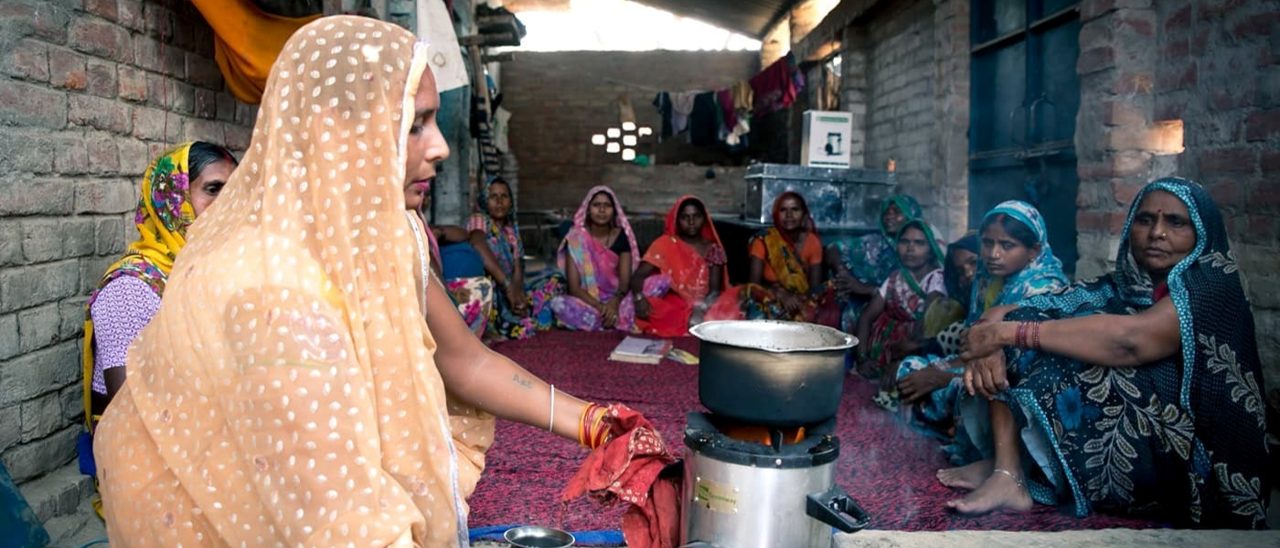
The aim of “avoidance” projects is to avoid emitting additional CO2. Supported projects promote e.g. the distribution and use of energy-efficient cookstoves or the use of modular biogas systems. These projects not only have an impact on the environment and climate, they also intend to provide additional benefits for preserving biodiversity and improving the living conditions of local populations by creating training and jobs and clean ambient air.
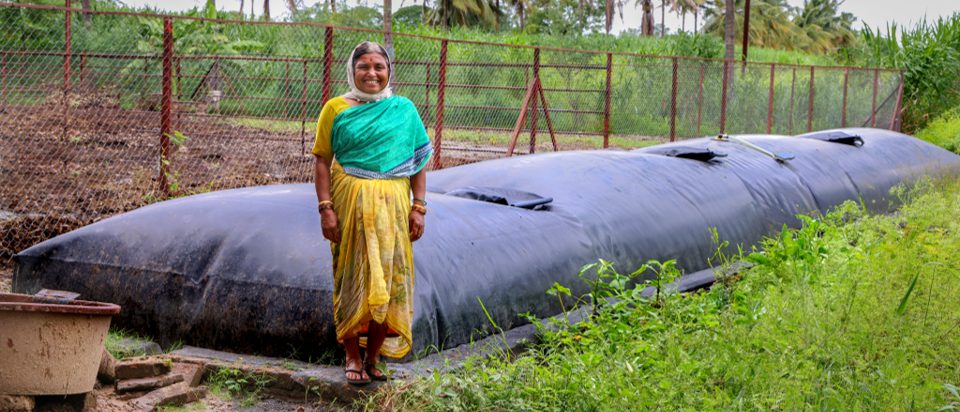
Sistema.bio addresses the interlinked challenges of energy poverty, waste management, and soil degradation by providing smallholder farmers with modular biodigesters. These systems convert animal manure into two vital resources: clean, renewable biogas for cooking and powering farm equipment, and high-quality organic biofertilizer.
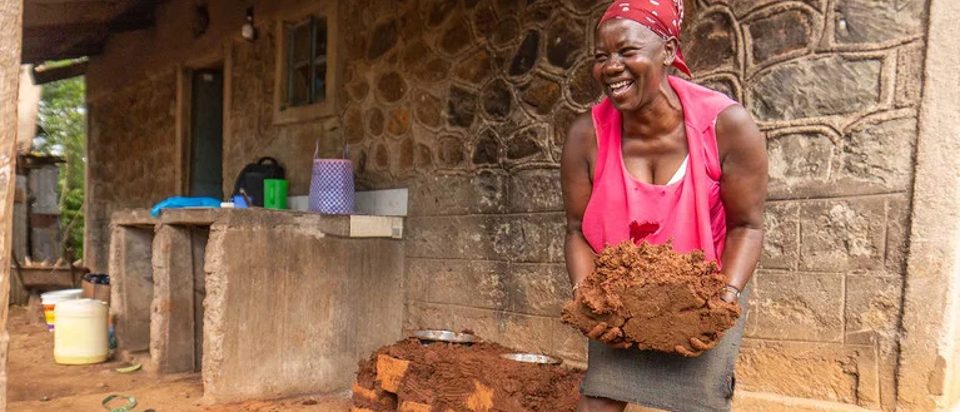
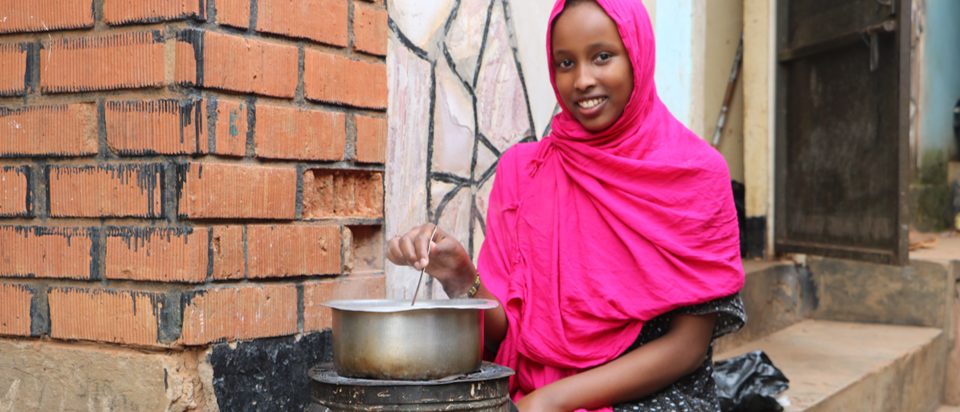
Traditionally the rural communities of the Siaya region of western Kenya have cooked on open fires, which require huge amounts of firewood. Thanks to community savings and loaning (CSL) groups, however, women can now afford more efficient stoves. This reduces the demand for firewood and thus protects the local forests, which leads to reduced CO₂ emissions.
MicroEnergyCredits addresses both climate change and air quality in Mongolia through the distribution of efficient heating technologies to low-income households. In partnership with XacBank, MicroEnergy Credits provides affordable efficient furnaces and home insulation through a microfinance program, significantly reducing fuel consumption. The project has reached over 160,000 households since 2009, contributing to a significant improvement in air quality in Ulaanbaatar.
This project focuses on the dissemination of energy-efficient and durable cookstoves to households in Uganda. Compared to conventional stoves, they achieve fuel savings of up to 50%. The project assists in distributing the stoves and in raising demand and consumer awareness. To date, the project has produced and sold over 1.2 million improved cookstoves and reached over 6 million people.
The 17 global Sustainable Development Goals (SDGs), with their 169 sub-targets, form the core of the 2030 Agenda. They address the economic, social and ecological aspects of sustainable development and put the fight against poverty and for sustainable development on the same agenda for the first time.
The SDGs are to be achieved around the world and by all UN member states by 2030. These make it incumbent on all states to contribute to a joint solution to the pressing challenges facing the world. Switzerland is committed to implementing the goals on a national basis. Incentives are also to be created to encourage non-governmental actors to make an increasingly active contribution to sustainable development.