

Know Before You Go: Algiers
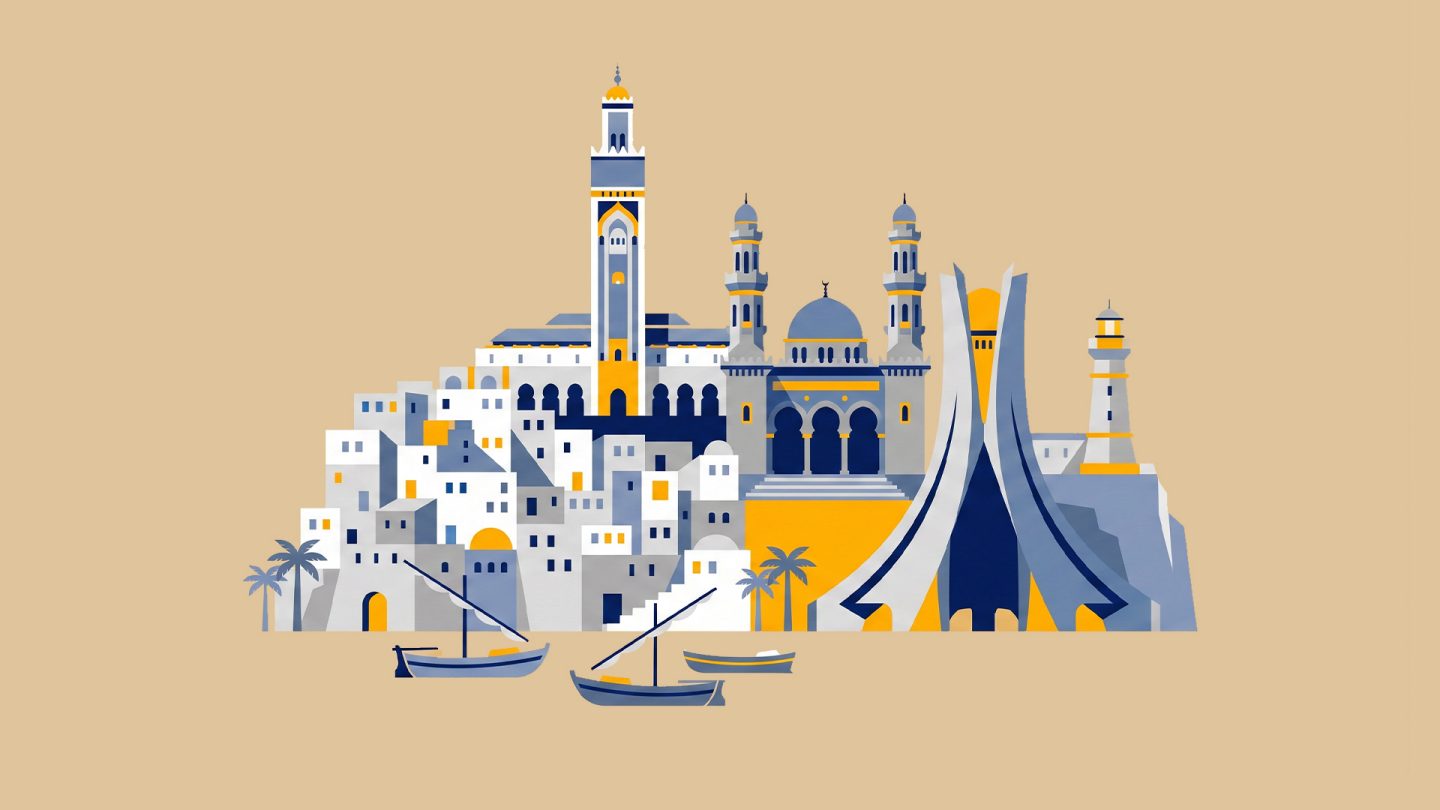
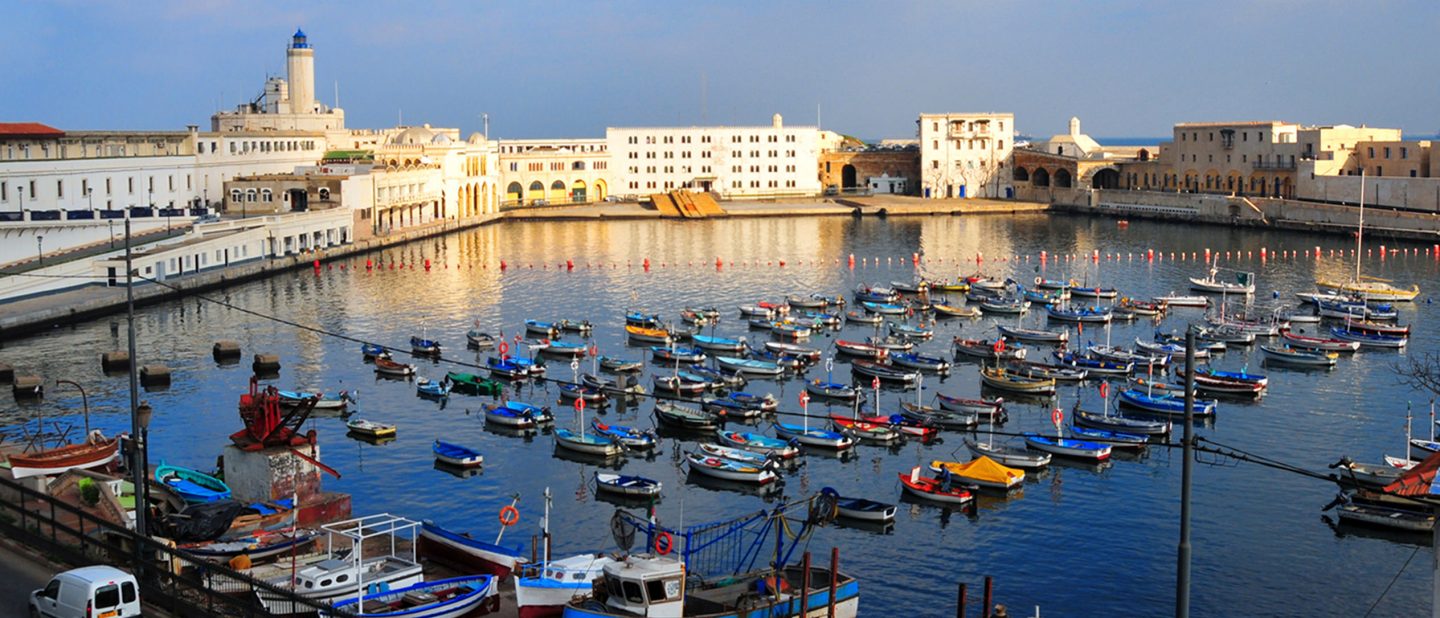
Algiers is considered the bright white pearl of the Mediterranean and fascinates visitors with the contrast of oriental and European influences. While the UNESCO World Heritage Site of the historic Kasbah boasts Ottoman palaces, magnificent French buildings, and the third-largest mosque in the world tower above the deep blue bay of the Mediterranean. We have summarized what you should know in advance about your stay in Algiers here
Getting from the Airport to the City
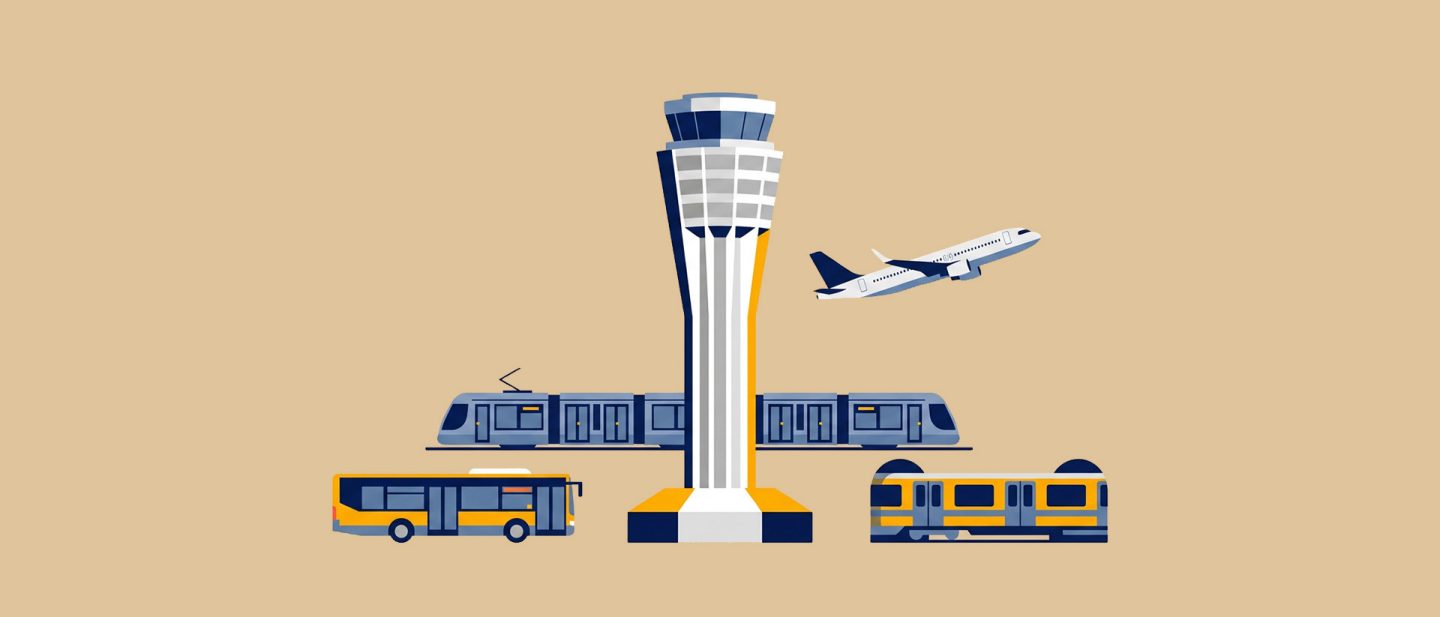
Houari Boumediene Airport (ALG) is located about 20 kilometers (12 miles) southeast of the center. Airport buses and shuttle buses run from the airport to the city center. Depending on the traffic situation, the journey usually takes about 30 to 45 minutes. For a direct connection to your destination, taxis are available directly outside the terminals. The journey into the city usually takes 30 to 50 minutes, depending on traffic, and the price should be agreed before you leave. Common ride-hailing services such as Uber and Bolt do not operate in Algiers, but the Algerian services Yassir and Heetch do.
Getting Around
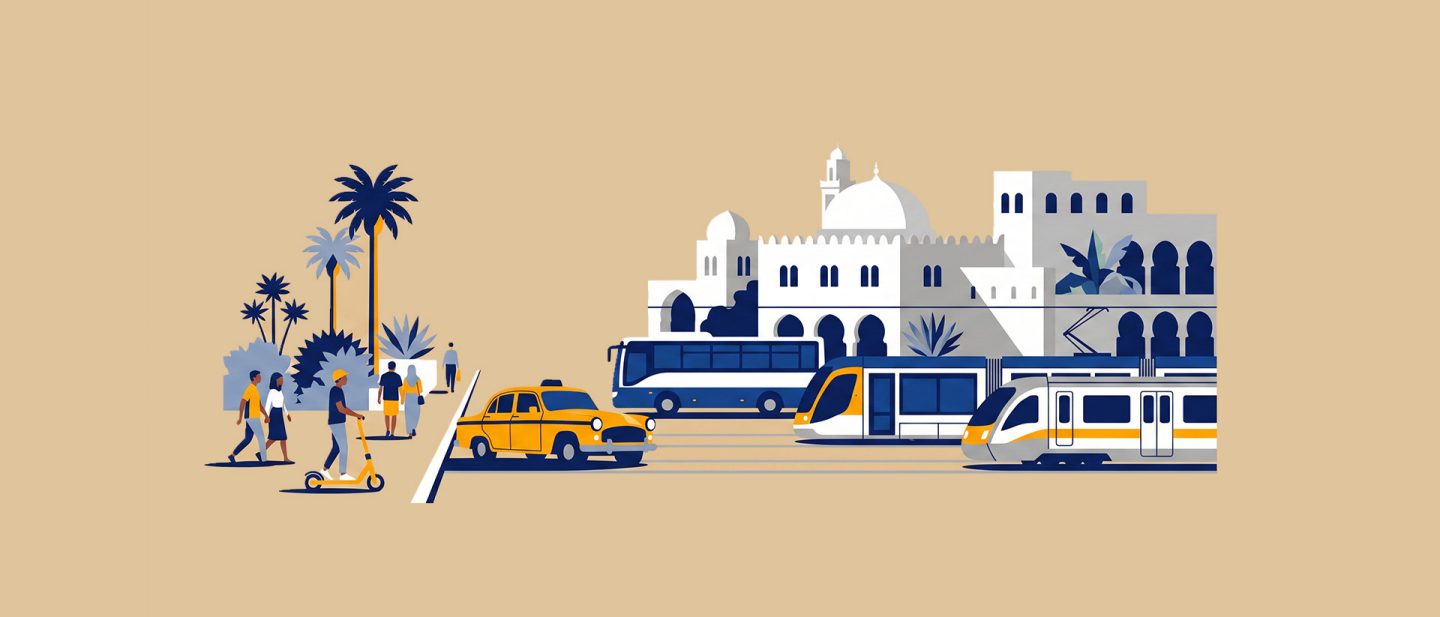
Algiers stretches steeply up the hills from the harbor. Because of this, many paths are much more strenuous than they might look on the map. Especially on warm days, traveling longer distances on foot can quickly become sweaty. For these journeys, it is therefore advisable to use public transport – metro, trams, regional trains, and bus lines – which reliably provides access to many central areas of the city. The metro in particular offers a quick connection between the main districts and avoids numerous traffic jams. Within individual districts, many things can be explored on foot, especially around the Kasbah, the city center, and the waterfront. For more direct routes, however, classic taxis continue to be a popular option in everyday life.
This may also be of interest to you
Payment
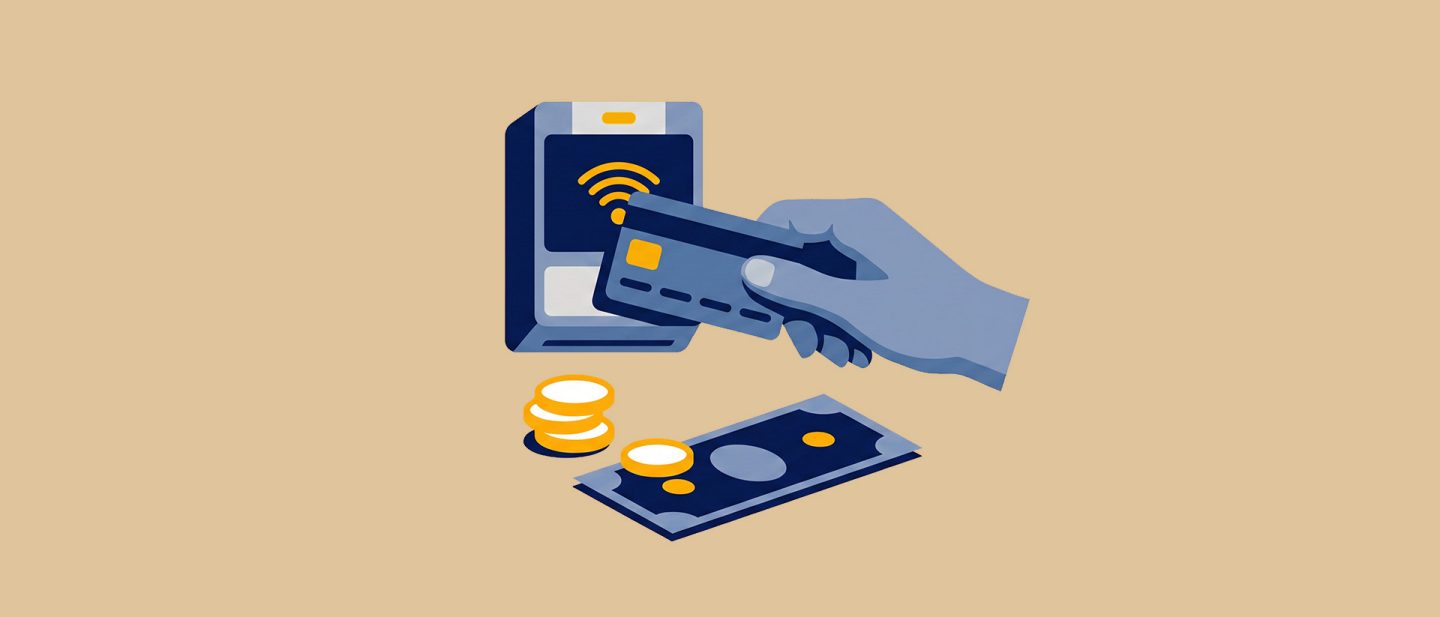
Payment in Algeria is made with the Algerian dinar (DZD). It's important to remember that in Algiers, cash is still by far the main and often the only means of payment for daily needs. But beware: anyone bringing more than 100 dinars into the country must declare it when they arrive, while taking dinars out of the country is even prohibited. Foreign currency can be exchanged at banks and larger hotels. The option of card payment is largely limited to large international hotels, banks, and upscale restaurants.
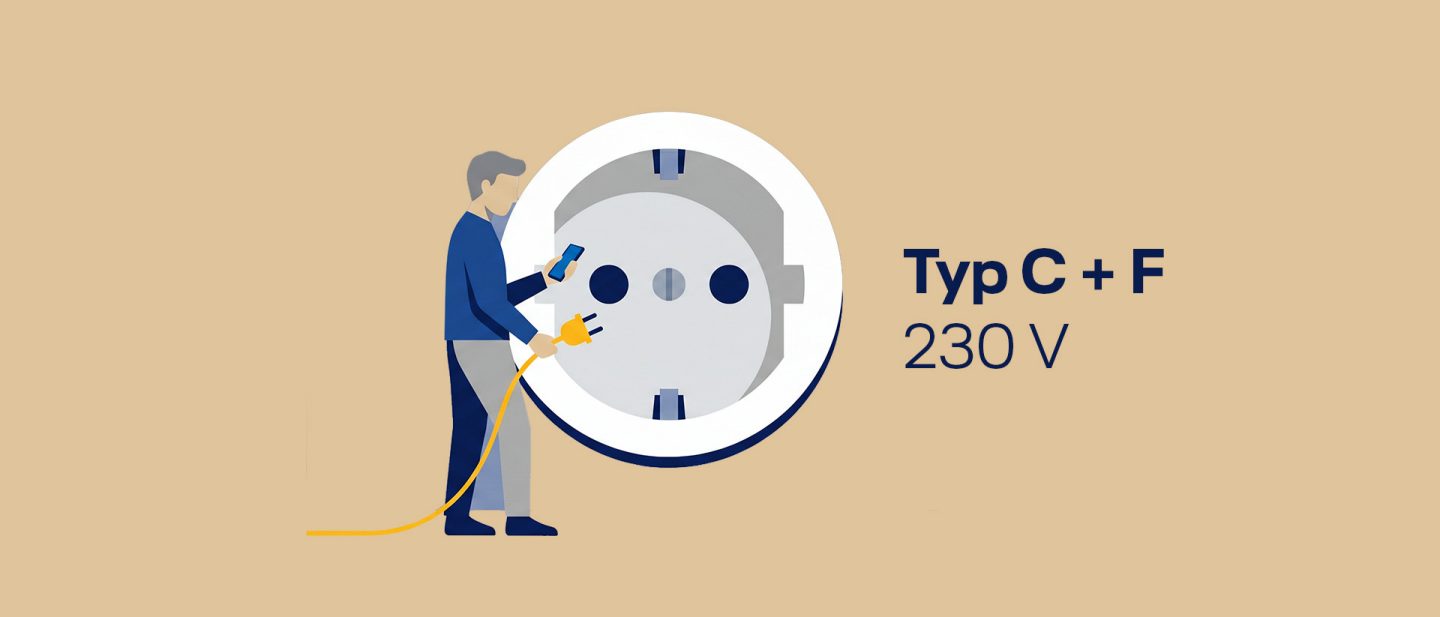
Outlets & Voltage
Type C and F sockets are used in Algeria, which are also common in the European Union. This means your electronic devices will work without any adapters. The mains voltage is also 230 volts at 50 hertz and thus corresponds to the European standard.
Don't
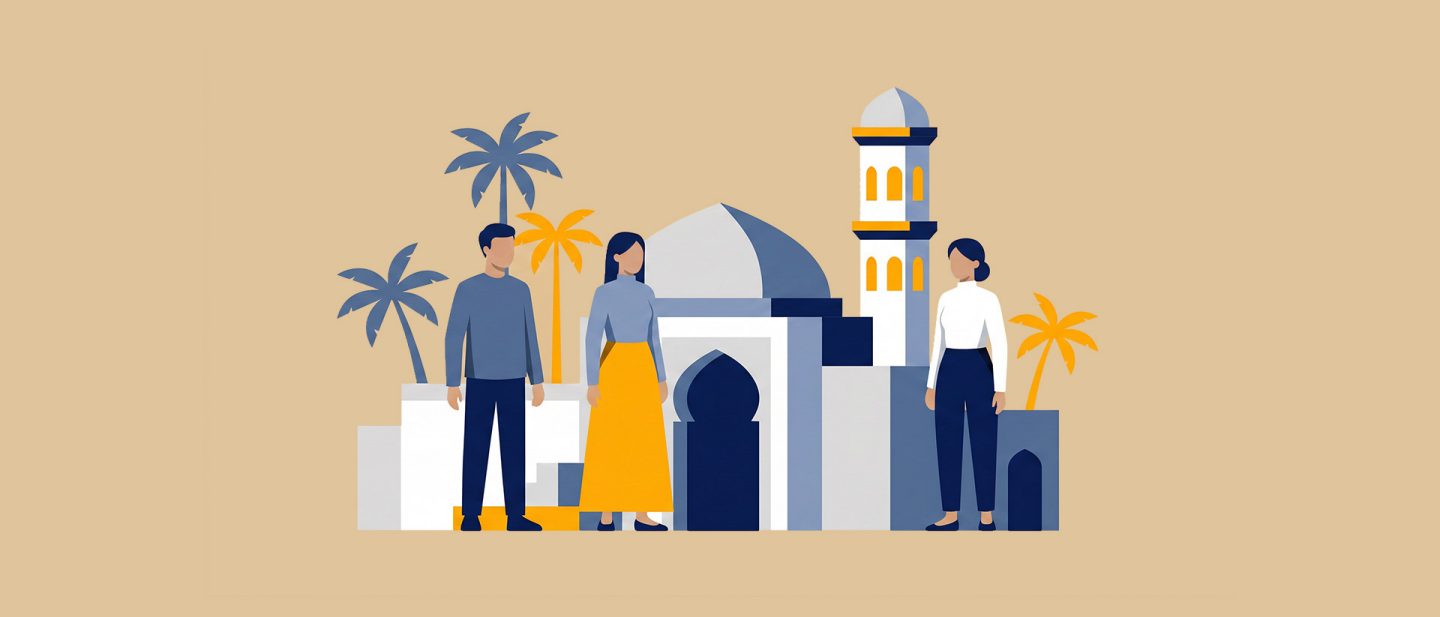
Do not wear very revealing clothing in Algiers. Short shorts, miniskirts, low-cut tops, or off-the-shoulder clothing can look inappropriate in public spaces – especially near mosques, religious sites, or in more traditional neighborhoods. A good guide is to wear clothing that covers the shoulders and knees. Women do not have to wear a headscarf in everyday life, but should have a scarf with them when visiting mosques or religious places.
Fun Fact
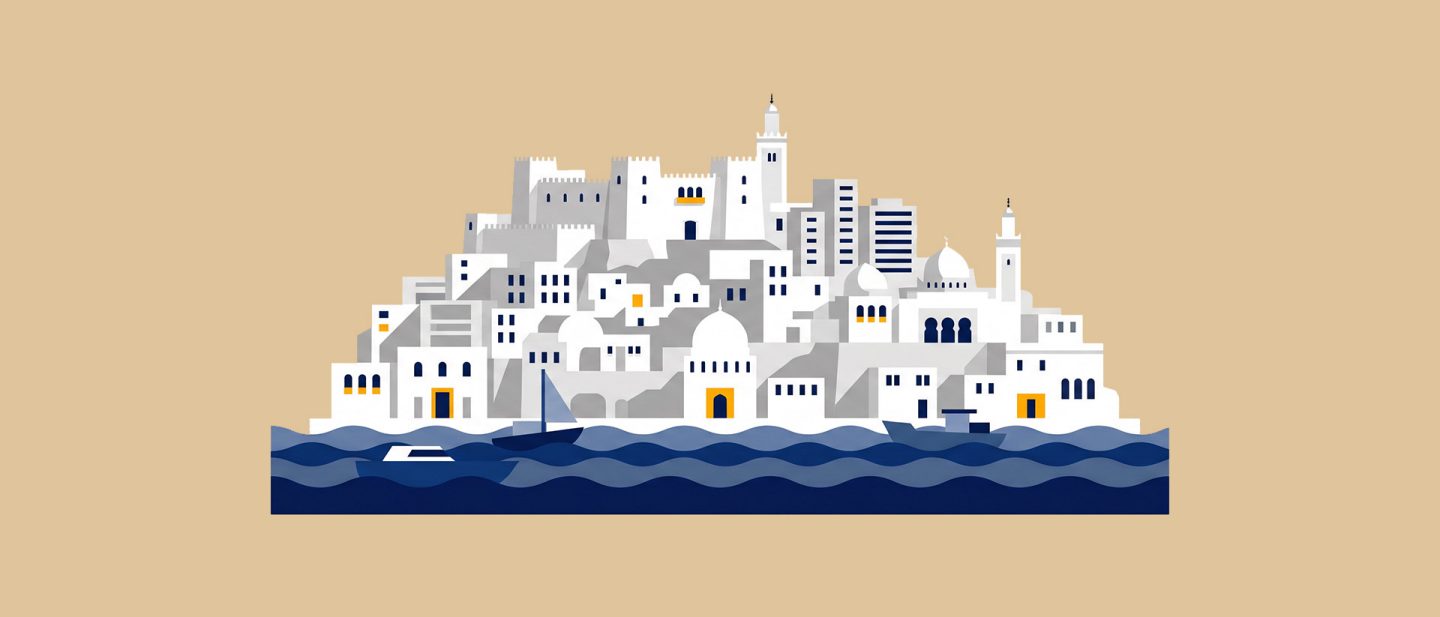
Algiers still bears the nickname "La Blanche" – the white one. The name comes from the many bright façades that stretch from the harbor to the hills, so that the city appears almost completely white from the sea.
Ready to discover Algiers?
Book your flight and get ready for your trip. With our tips, it will be unforgettable.
*The prices incl. all taxes, fees, carrier surcharges may vary and serve as a guide for your selection.