

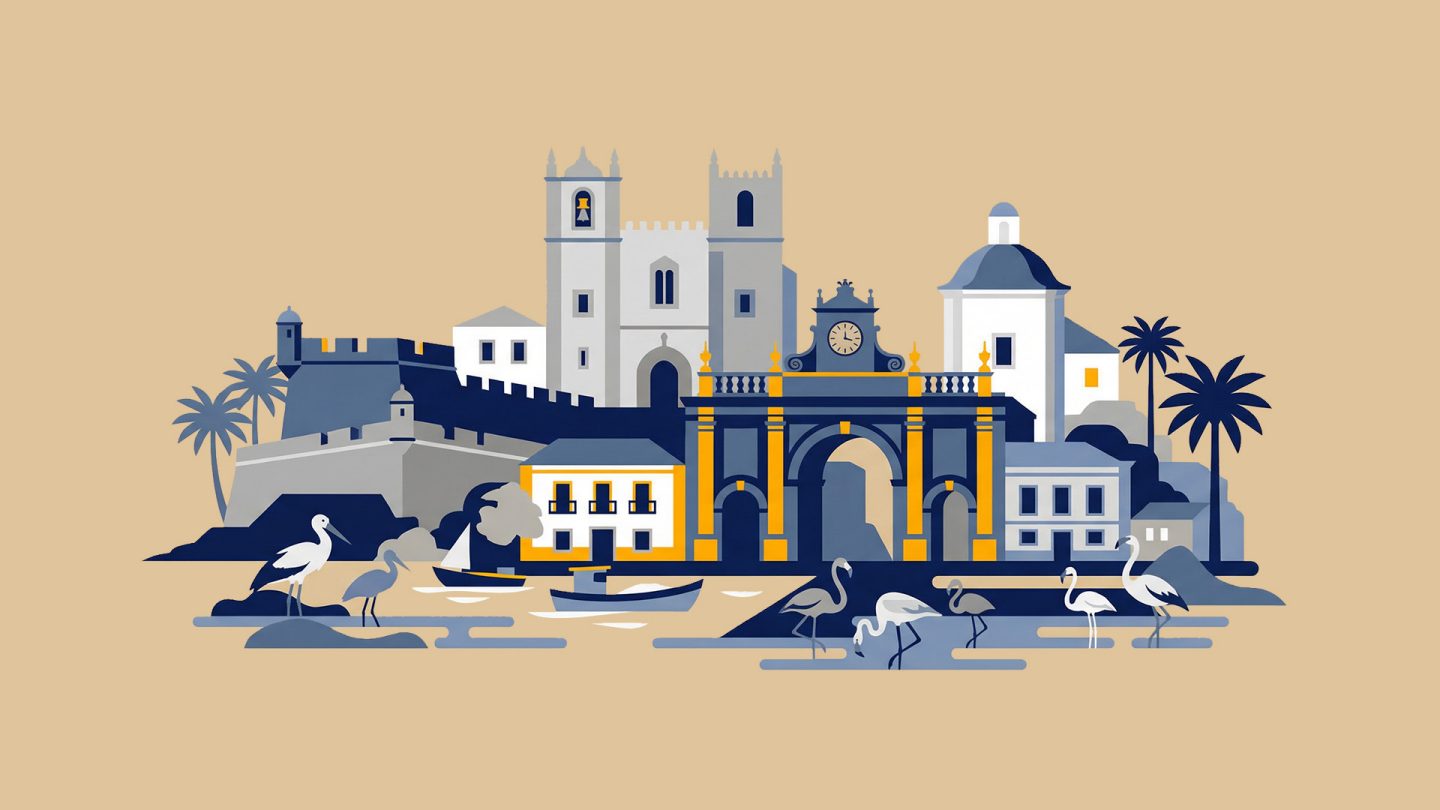
Know Before You Go: Faro
Faro is considered the gateway to the Algarve, the coastal region in southern Portugal. For many travelers, their vacation begins in this historic city on the Ria Formosa lagoon. Here, we’ve compiled the most important information for your stay, helping you find your way around even before your plane touches down
Getting from the Airport to the City
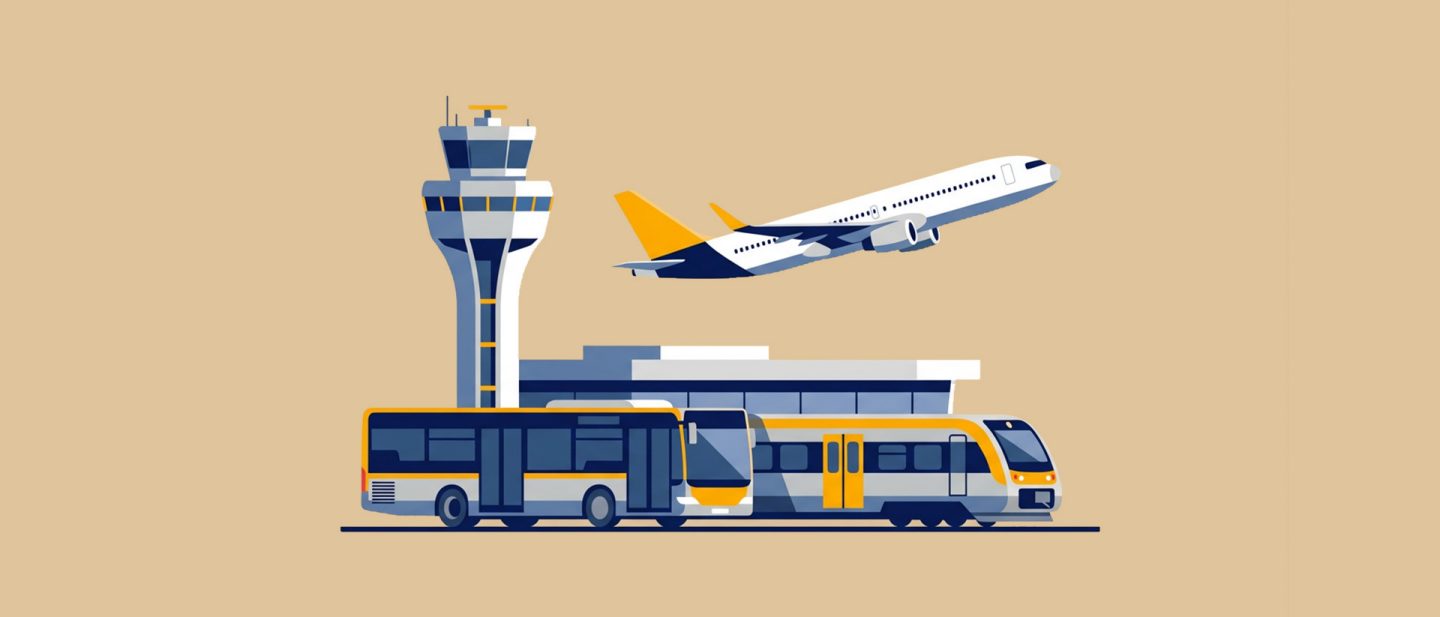
Faro Airport (FAO) is located about 7 kilometers (4 miles) from the city center. You can get there using bus lines 14 and 16 operated by the municipal transit company Próximo, which run at regular intervals. The bus ride takes about 20 minutes and costs around €2.50. Alternatively, taxis are available right outside the terminal, with a ride to the center costing around €15. Ride-hailing services Uber and Bolt are also available in Faro using the apps.
Public Transportation
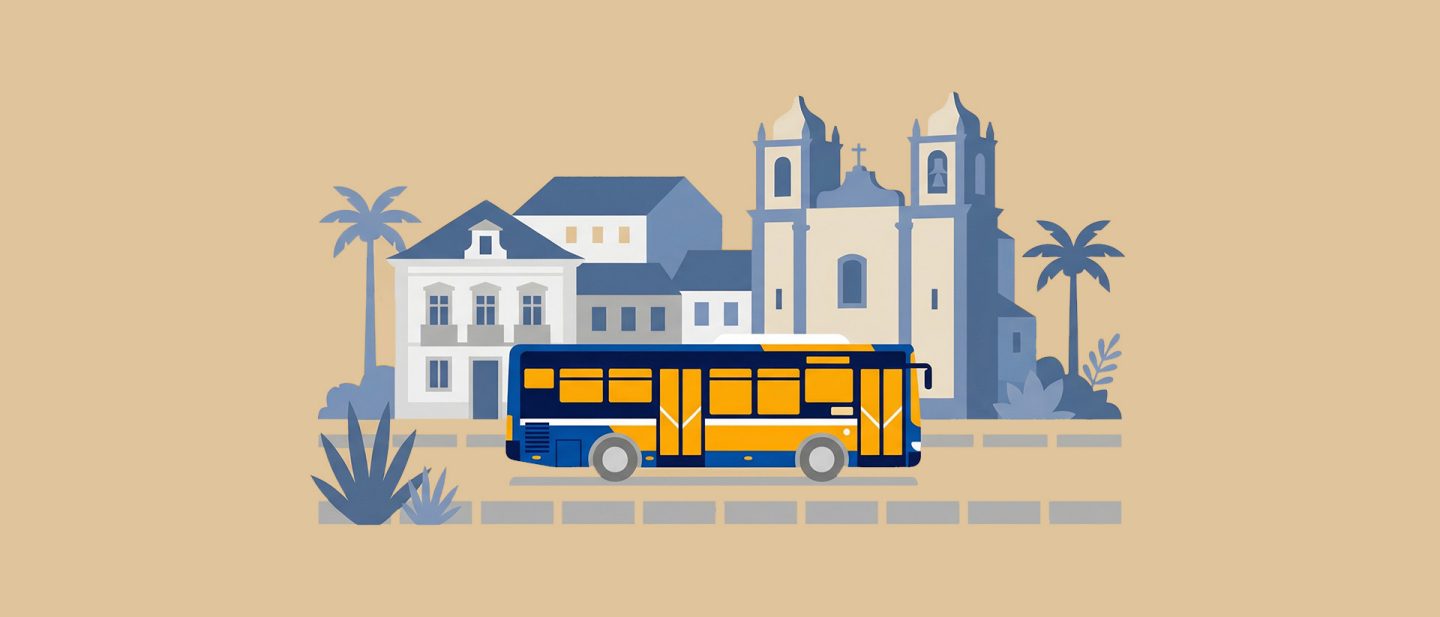
In addition to Próximo’s city buses, Faro is also connected to the Comboios de Portugal (CP) rail network. From the station near the city center, there are regular connections to other cities in the Algarve, such as Lagos or Tavira. Train rides through the Algarve are not only worthwhile but also relatively inexpensive: tickets to Lagos or Tavira are usually under €10.
This may also be of interest to you

Payment
While card payments and contactless payments using Apple Pay or Google Pay are now part of everyday life in Faro, it’s still advisable to carry cash for smaller bars, bakeries, or market stalls. ATMs, known as Multibanco, can be found throughout the center of Faro.

Tipping
Tipping, known as “gorjeta” in Portuguese, is appreciated in Faro and throughout the Algarve as a sign of appreciation for good service. In restaurants, a tip of about 10 percent of the bill is appropriate after a substantial meal. For snacks, drinks, or taxi rides, it is usually sufficient to round the amount up to the nearest euro.
Typical Opening Hours
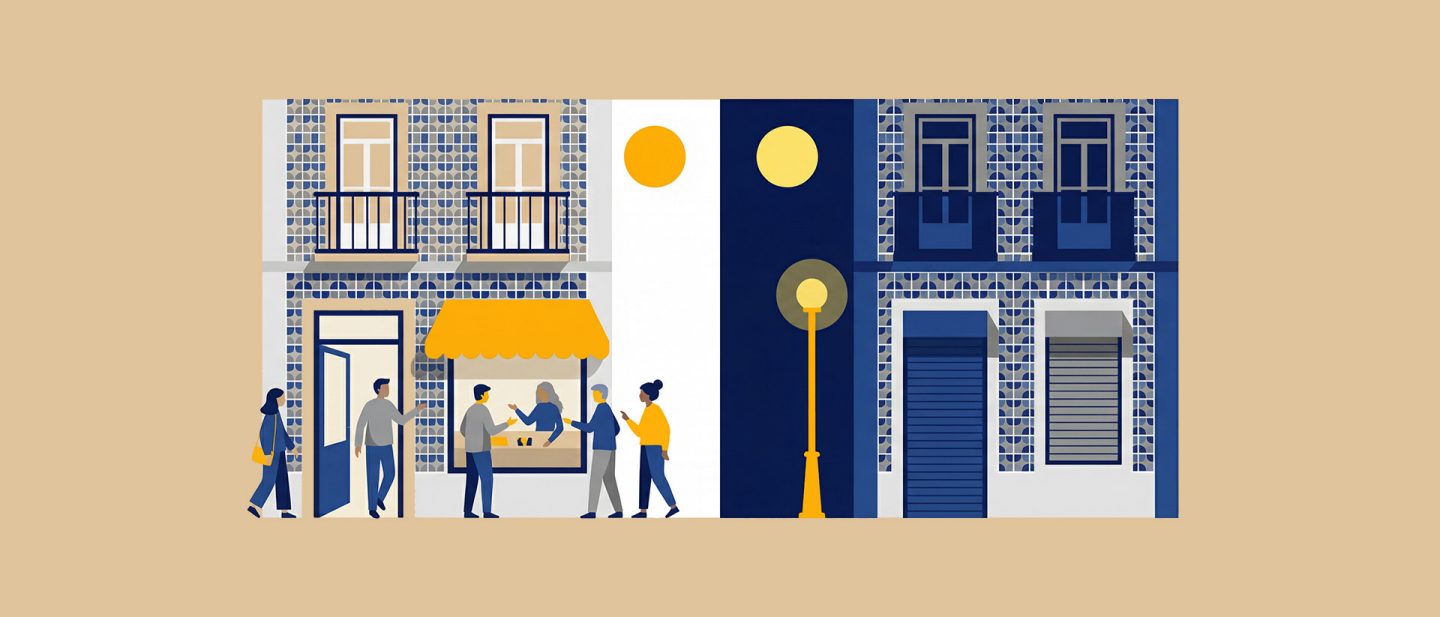
Shops usually open around 9 or 10 a.m. on weekdays and close between 6 and 7 p.m., often with a lunch break between 1 and 3 p.m. Supermarkets and shopping centers are generally open all day, often on Sundays as well, and usually until around 9 or 10 p.m. Lunch is typically served in restaurants between 12 p.m. and 3 p.m.; dinner service rarely begins before 7 p.m.

Useful Phrases
These short phrases will help you to communicate:
“Bom dia” – Good morning.
“Obrigado / Obrigada” – Thank you (male / female speaker).
“A conta, por favor” – The check, please.

Don’t
In many restaurants, bread, olives, or cheese are placed on the table at the start of the meal – a small custom that is part of Portuguese restaurant culture. However, these appetizers are not free. They are charged for as soon as you eat any of them. If you’d rather not have them, you can politely decline and have them taken away.
Fun Fact
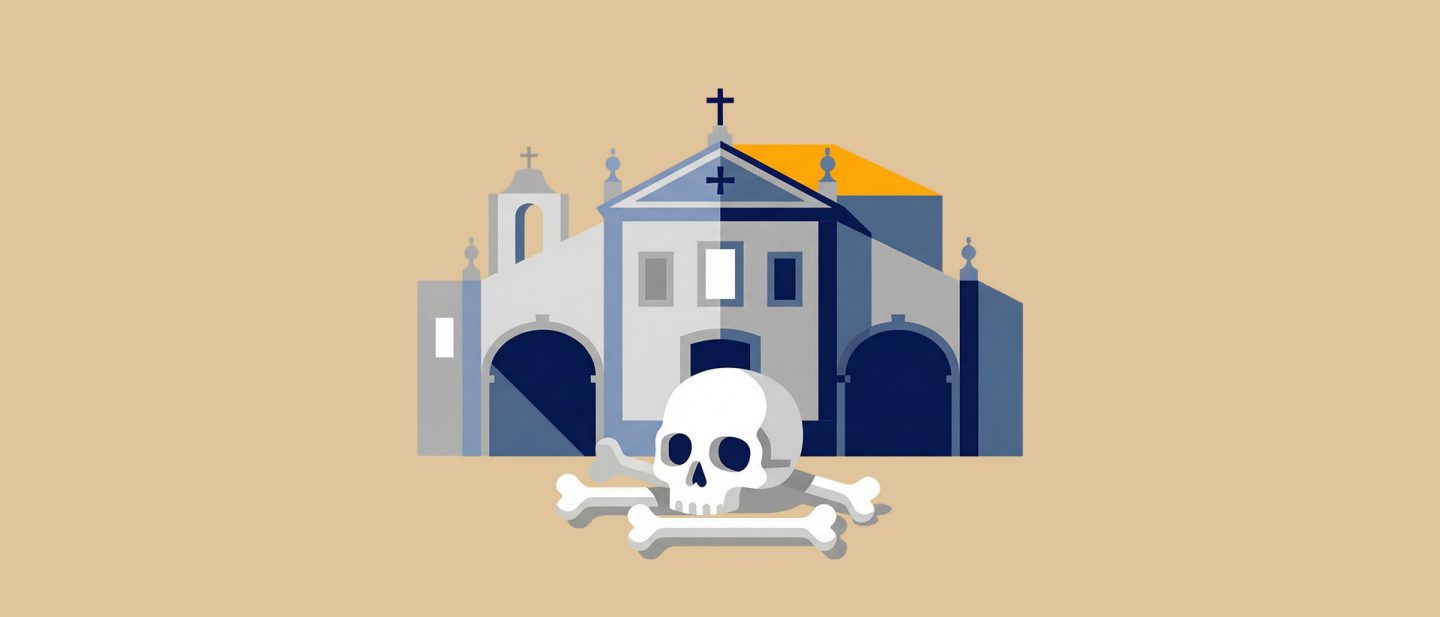
A place that is as fascinating as it is spine-chilling is the Capela dos Ossos (Chapel of Bones) in the Baroque church Igreja do Carmo. The walls and ceiling of the chapel are lined with the bones and skulls of more than 1,200 monks – a consequence of overcrowded cemeteries in the 19th century. The exhumed remains were artfully arranged here to create space while also serving as a reminder of the transience of life. The inscription at the entrance still drives this morbid message home unmistakably today: “Pause here and consider that you, too, will reach this state.”
Ready to discover Faro?
Book your flight and get ready for your trip. With our tips, it will be unforgettable.