

How to Sleep on a Plane: 7 Expert Tips to Help You Arrive Rested
Sleeping on a plane sounds like the perfect way to make a long flight fly by. But your body doesn’t always cooperate. We spoke to two sleep experts to find out what really helps you to arrive feeling rested – and what doesn’t
1. Choose a Window Seat in Front of the Wings
A window seat puts you in control of the shade, and you won’t be disturbed when your seatmates get up. Sitting in front of the wings also means less noise, because engine noise tends to travel toward the rear of the aircraft. One more tip: exit row seats offer extra legroom, but there are eligibility requirements. Children, for example, cannot sit in these rows.
2. Support Your Head
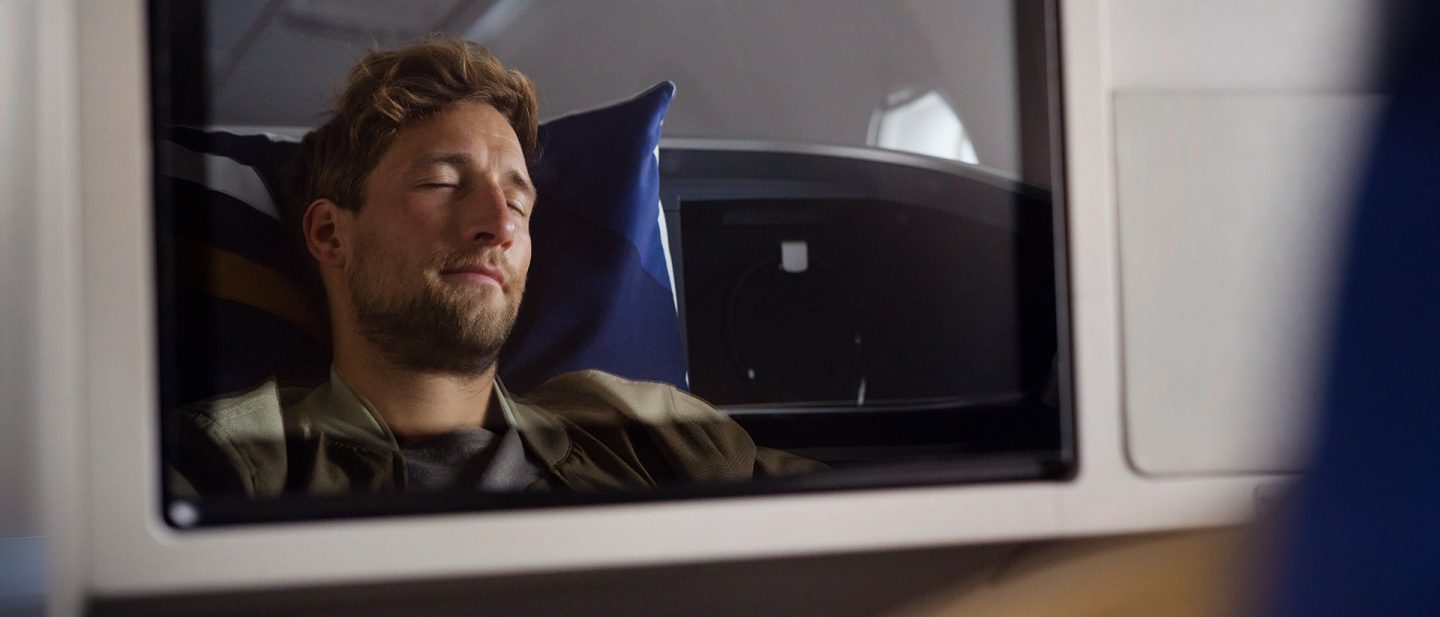
When you lie down, your muscles can relax. When you sit upright, however, the muscles supporting your head, neck, and upper body have to keep working. This becomes especially tricky during REM sleep, the stage when most dreaming occurs. The body temporarily switches off nearly all musculoskeletal activity, a state known as muscle atonia, to keep us from acting out our dreams. As your muscles relax, your head may drop forward, jolting you awake and forcing your body to correct its position. On a long-haul flight, these repeated interruptions can fragment your sleep. A supportive neck pillow helps, especially if you can lean against the wall by the window. An added bonus: you’re less likely to snore when sitting upright.
Did You Know ...
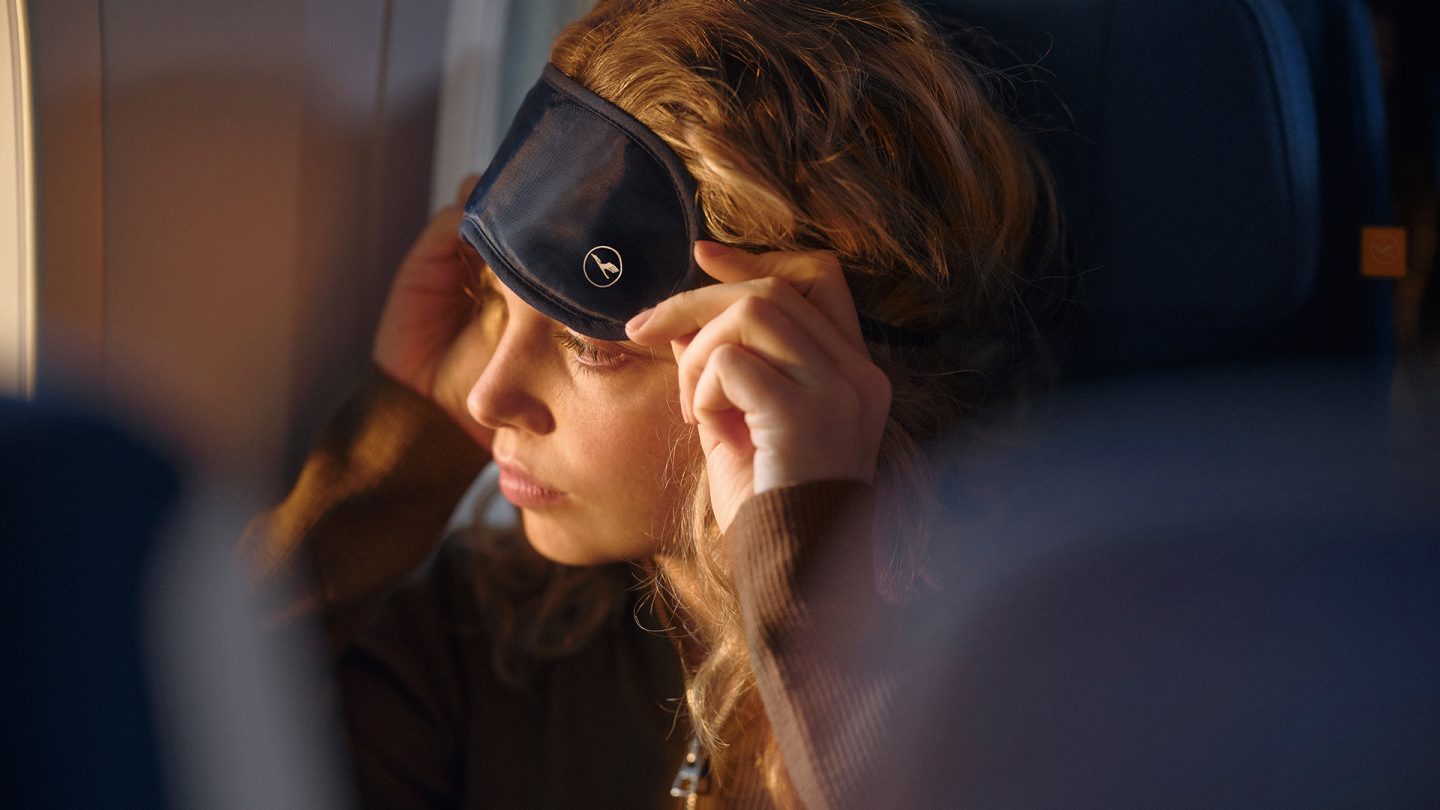
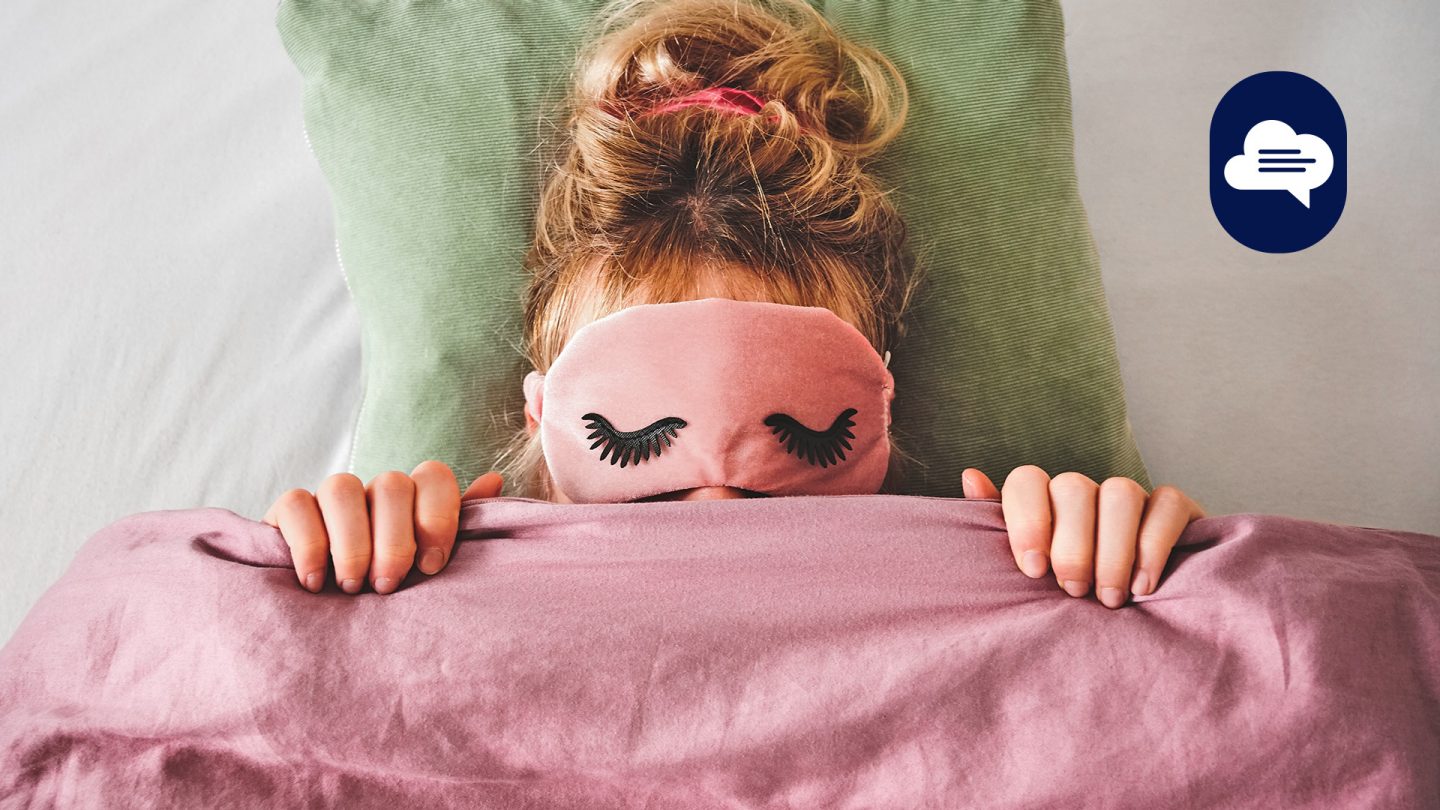
on overnight long-haul flights lasting ten hours or more, we offer sleep masks to guests in every travel class? They can help you settle into sleep mode.
3. Block Out Noise and Light
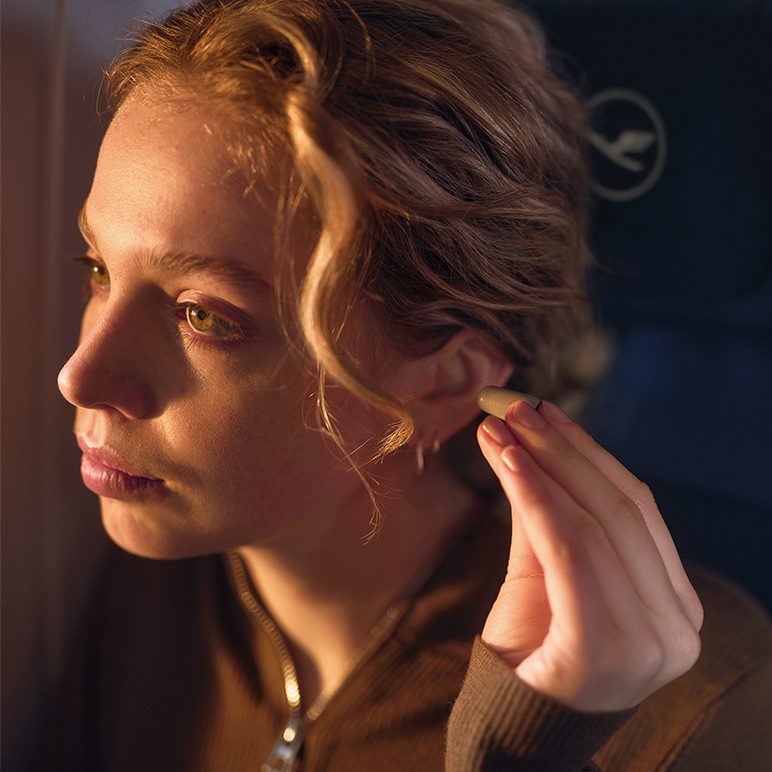
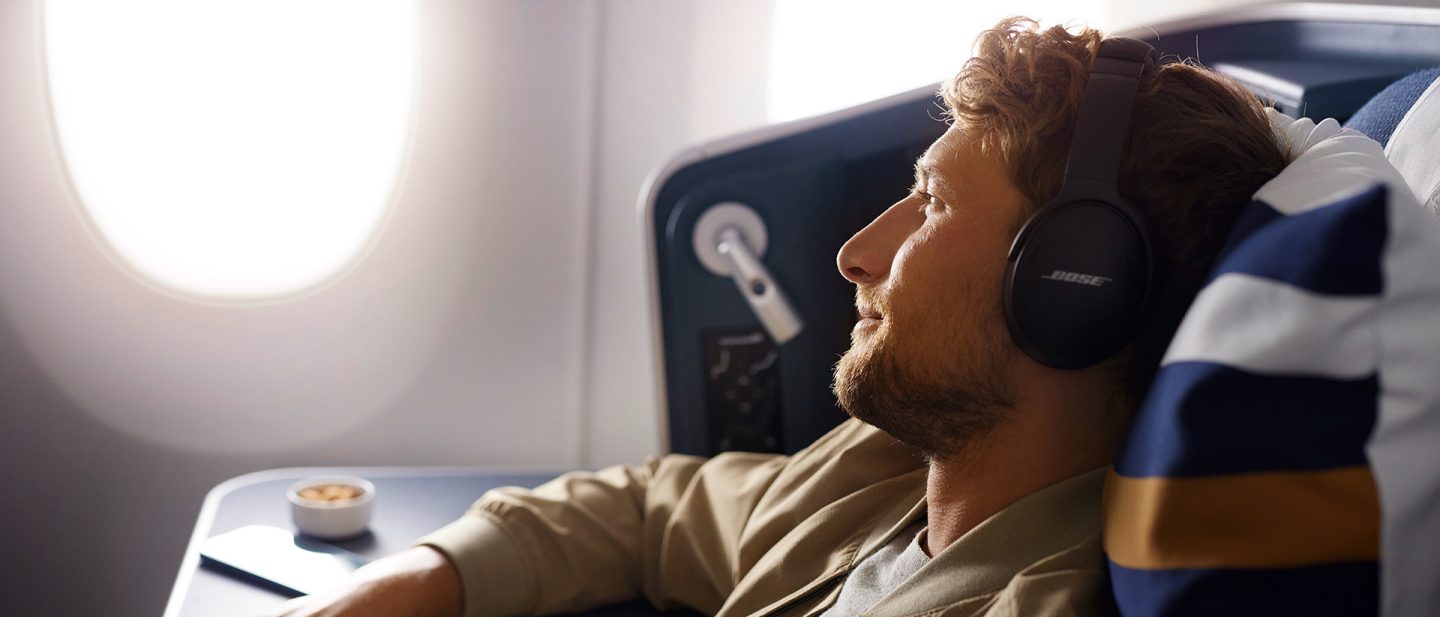
Unlike your eyes, your ears can’t simply close. “Our auditory system stays connected to our surroundings even when we’re asleep. That’s an evolutionary holdover. People sleeping outdoors in the past had to be able to react to predators and other dangers at any moment,” explains Dr. Hans-Günter Weeß, a sleep specialist and psychotherapist. That built-in early warning system keeps running on a plane, causing us to stir at every clatter. Noise-canceling headphones or earplugs can help. And because light is the strongest cue for our sleep-wake cycle, a sleep mask is another must-have.
This may also be of interest to you


4. Make a Conscious Effort to Relax
You can’t force yourself to sleep. You can only create the conditions for it to happen. Dr. Michael Feld, a sleep medicine specialist based in Cologne, recommends Jacobson’s progressive muscle relaxation: briefly tense individual muscle groups, notice the tension, then release it. Paired with slow, calming breathing exercises, this technique can help your body unwind, even while sitting upright.
How to Relax on a Plane
- While seated, lift your heels to tense your calves. Hold for ten seconds, then release. Spend twenty seconds focusing on the feeling of relaxation in your calves.
- Tense your thigh muscles firmly for ten seconds, then release. Focus on the relaxed feeling in your thighs for twenty seconds.
- Tense your upper arms (biceps) for ten seconds, then release. Focus on relaxing those muscles for twenty seconds.
- Raise your shoulders toward your ears, then release. Massage your face for ten seconds, followed by twenty seconds of relaxation.
5. Take Power Naps
On medium-haul flights, one or two power naps may be your best option. The key is keeping them short: after about thirty minutes, the body begins to enter deep sleep, and waking up during this phase can leave you feeling groggy. This is known as sleep inertia. Keep your naps shorter, and you’re more likely to wake up refreshed rather than disoriented. “The rule of thumb is to keep naps short and controlled, rather than sleeping until you’re completely exhausted,” says Dr. Hans-Günter Weeß.
6. Watch Your Caffeine Intake
Caffeine is a stimulant and, depending on how much you consume and how sensitive you are to it, its effects can last for up to eleven hours. If you’re hoping to sleep on the plane, it’s best to avoid coffee and other caffeinated drinks.
Did You Know ...
our Sleeper’s Row now offers Economy Class guests even more comfort on long-haul flights? With an entire row of three seats to yourself, you can stretch out, relax, and sleep. A mattress topper, blanket, and Business Class-quality pillow make the journey even more restful. Availability is limited, and Sleeper’s Row can be booked shortly before departure at check-in or at the gate.
7. Tap Into Your Alpha Rhythm
If you’re having trouble falling asleep on a plane, soothing podcasts or guided meditations may help you drift off. And even if you stay awake, being relaxed can make the flight much more comfortable. In a state of relaxed wakefulness, the brain produces alpha waves. The alpha rhythm refers to brainwave frequencies of roughly eight to twelve hertz, typically observed when we’re awake but relaxed.
The experts
Dr. Michael Feld is a physician specializing in general medicine and sleep medicine, and a certified sleep specialist with the German Society for Sleep Research and Sleep Medicine (DGSM). He runs a practice for integrative general and sleep medicine near Cologne. An author, he is also a sought-after sleep expert on German television and in the media.
Dr. Hans-Günter Weeß has been involved in clinical practice and scientific research on sleep for more than twenty-five years. He heads the Interdisciplinary Sleep Center at Pfalzklinikum in Klingenmünster. From 2008 to 2022, he served on the board of the German Society for Sleep Research and Sleep Medicine (DGSM). His books include “Die schlaflose Gesellschaft” [The Sleepless Society] and “Schlaf wirkt Wunder” [Sleep Works Wonders].

Ready to discover the world?
Book your flight and find new inspiration – wherever the journey may take you.