

Queer Travel: How to Make Your Vacation Safer and More Relaxed
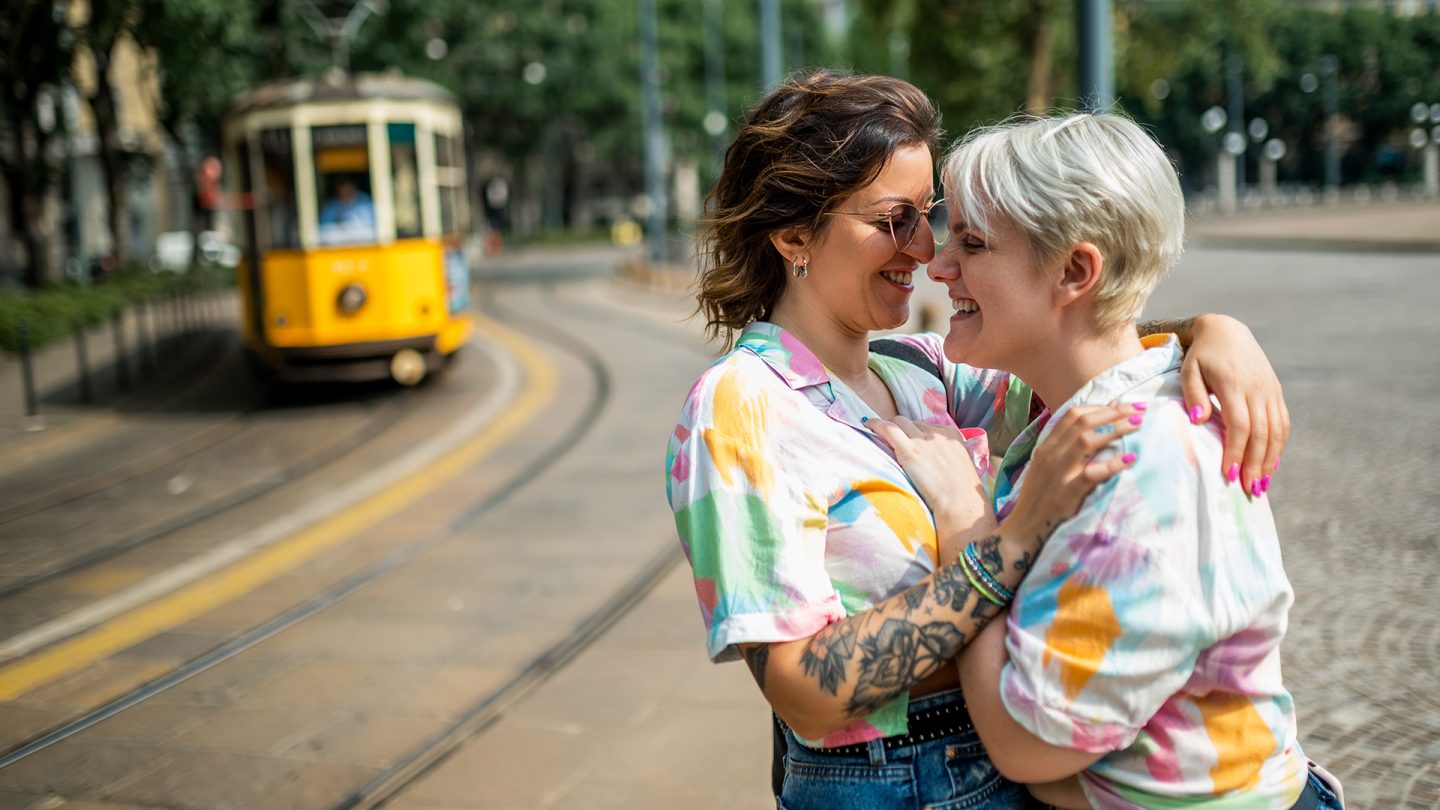
Queer people often prepare for trips differently. Not because they are more anxious, but because they have to consider things that never occur to many other travelers: can I hold hands with my partner? Do I have to hide my identity? Which dating app is safe? Lufthansa Insights has asked around in the community and compiled the most important tips for queer travelers
The Gayborhood Principle
"This is a standard approach for me. Once I've decided on a destination, the first thing I do is research which districts are safe and what is on offer for queers locally. The same applied to the accommodation – whether it's a hotel or an Airbnb." – Benjamin Metz, gay
The first instinct is that a rainbow flag means "safe." That is the case – sometimes. But the symbol of the community alone is no guarantee of security. What makes a city truly queer-friendly can be seen in other characteristics: are there queer cafés, bookstores, or other cultural venues? Is queer life visible in everyday life? And above all: can you walk between bars, restaurants, and hotels without having to constantly scan your surroundings?
This is exactly what the so-called gayborhood principle is all about. Historically, these neighborhoods were born out of the need for queer people to create safe spaces and neighborhoods for themselves. Today, they are often the first port of call for queer travelers when they are looking for a place to stay or want to explore the queer life of the city.
A simple travel hack: before booking accommodation, search for terms such as "gayborhood" or "gay village" along with the destination.

Symbols Are Good, an Active Community Is Better
"Before I travel to a new city, I always check out what's going on there. I do that via Instagram and TikTok. Which places do I have to see? Which have a queer history? And what perspectives are represented there – only white history or also that of immigrants?" – Dalia, bisexual
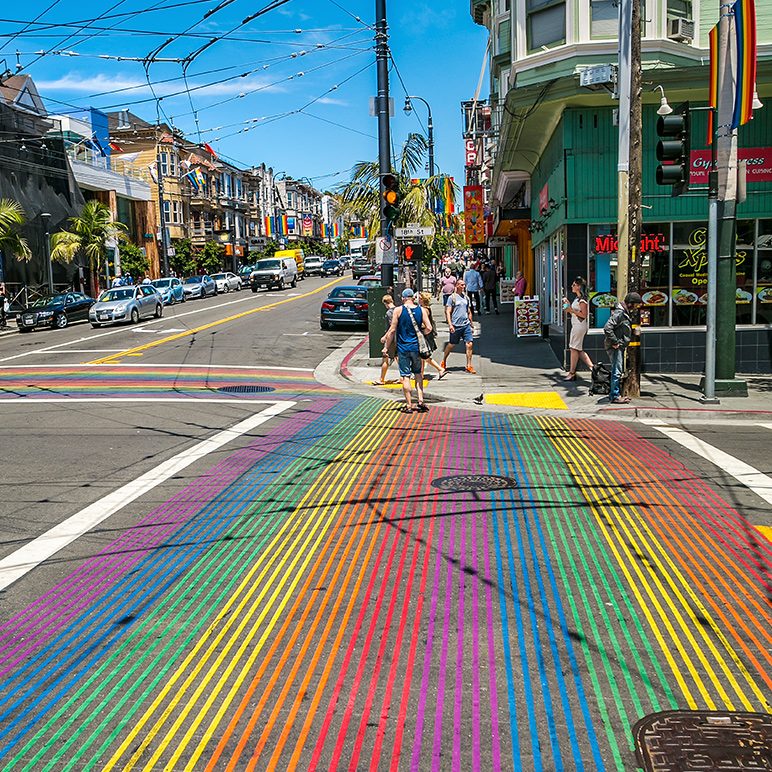
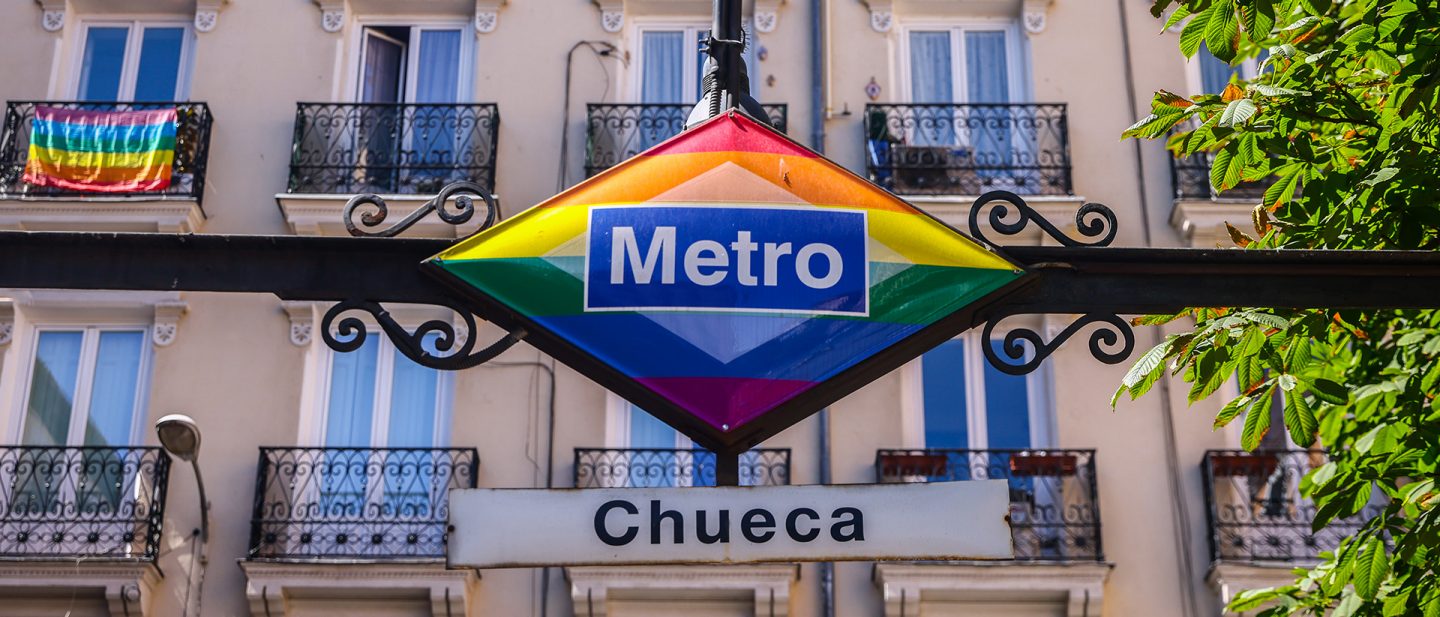
Rainbow flags, stickers in shop windows, and Pride zebra crossings initially give many queer travelers a good feeling. They signal that they could be welcome here.
This may also be of interest to you
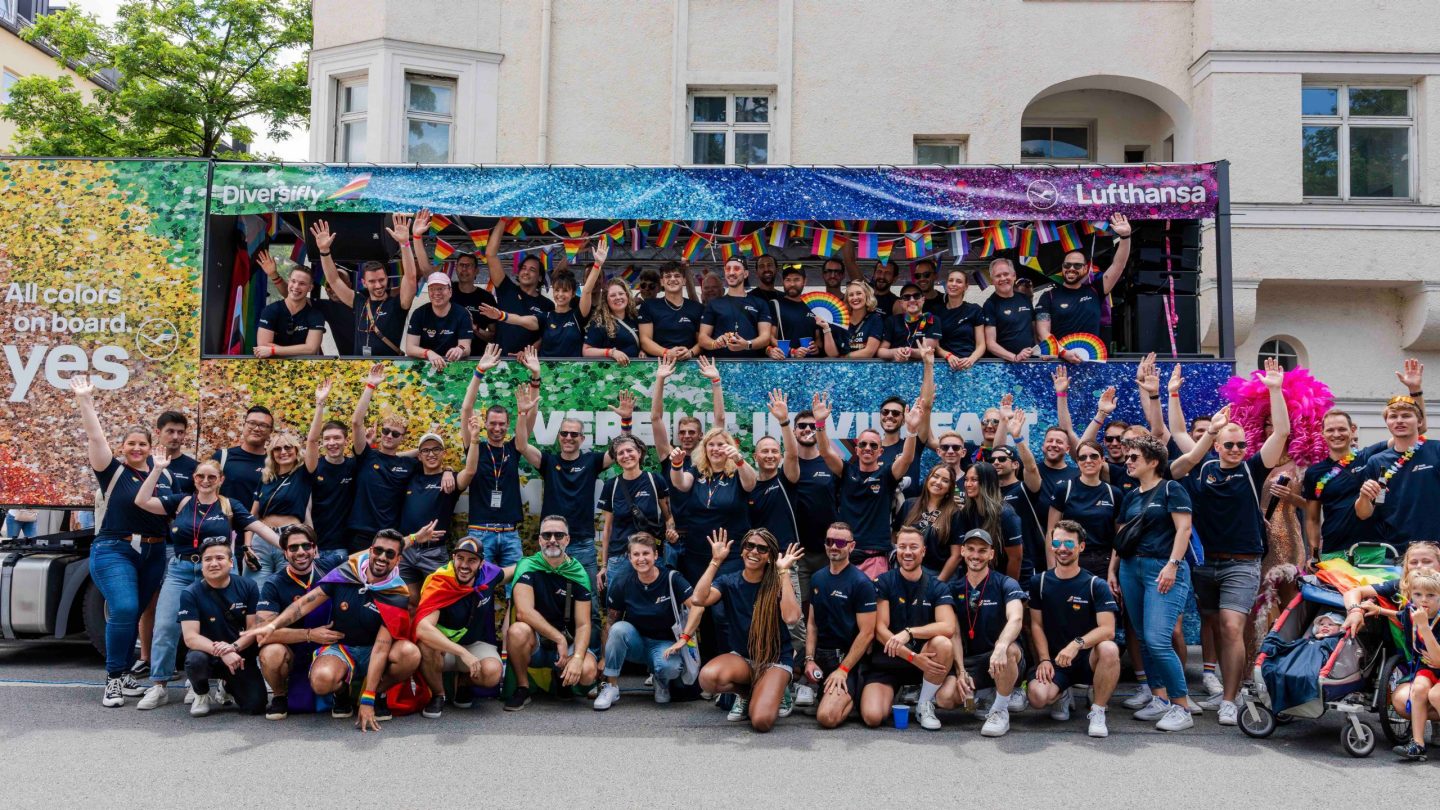


However, what really matters is whether there is an active community behind the symbolism. Queer bookstores, cafés, community centers, and regular events often tell more about a place than any tourism brochure.
That's why many queer travelers no longer research only in classic travel guides. Instagram, TikTok, and community forums provide insights into what official city portals rarely show: what is it really like to live there?
Know the Right Sources
If you want to prepare for a trip as a queer person, it is best to draw on a variety of sources: information on the legal situation, travel reports of other queer people, and experiences of locals often give a much more realistic picture than the usual tourism portals.
The Spartacus Gay Travel Index, Equaldex, and the LGBTQ+ Risk Map, among other references, are helpful. It is always worth considering the region you are traveling to, as there can be a big difference between big cities and rural areas.

Accommodation Is More Than Just a Place to Sleep
"When I've found a nice hotel, I check out Instagram. Which people are shown? What demographics of people? And who might the hotel follow? This gives me a good sense of what values are represented." – Dalia, bisexual
Accommodation is one of the factors that determines how relaxed a trip feels. Platforms like Misterb&b offer accommodation that is specifically aimed at queer travelers.
But it is also fairly easy to assess hotels these days. A look on Instagram often reveals a lot: which people are shown? What type of couple? How does the hotel position itself? And who does the hotel follow? It never hurts to look for a hotel in a gayborhood – not because you want to go out every night, but because the surroundings also signal from the beginning that you belong here.
Queer Apps Are Not Only Good For Dating
Many queer travelers now commonly use apps like Grindr, Scruff, HER, and Lex for travel planning. Not only to meet people in their destination, but as a way to access the local community. If you want to know which bar is hot at the moment, which exhibition is worth a visit, or where there is a queer event taking place at the weekend, you can often get this information directly from people who live there. At the same time, community knowledge is no substitute for caution.
Fake profiles and so-called "queer hunting" are real dangers. In some countries, queer people have been deliberately lured and abused via dating apps. Anyone traveling to regions where being queer is criminalized should therefore deactivate the distance setting, disclose as little personal information as possible, and refrain from posting a clear profile photo.
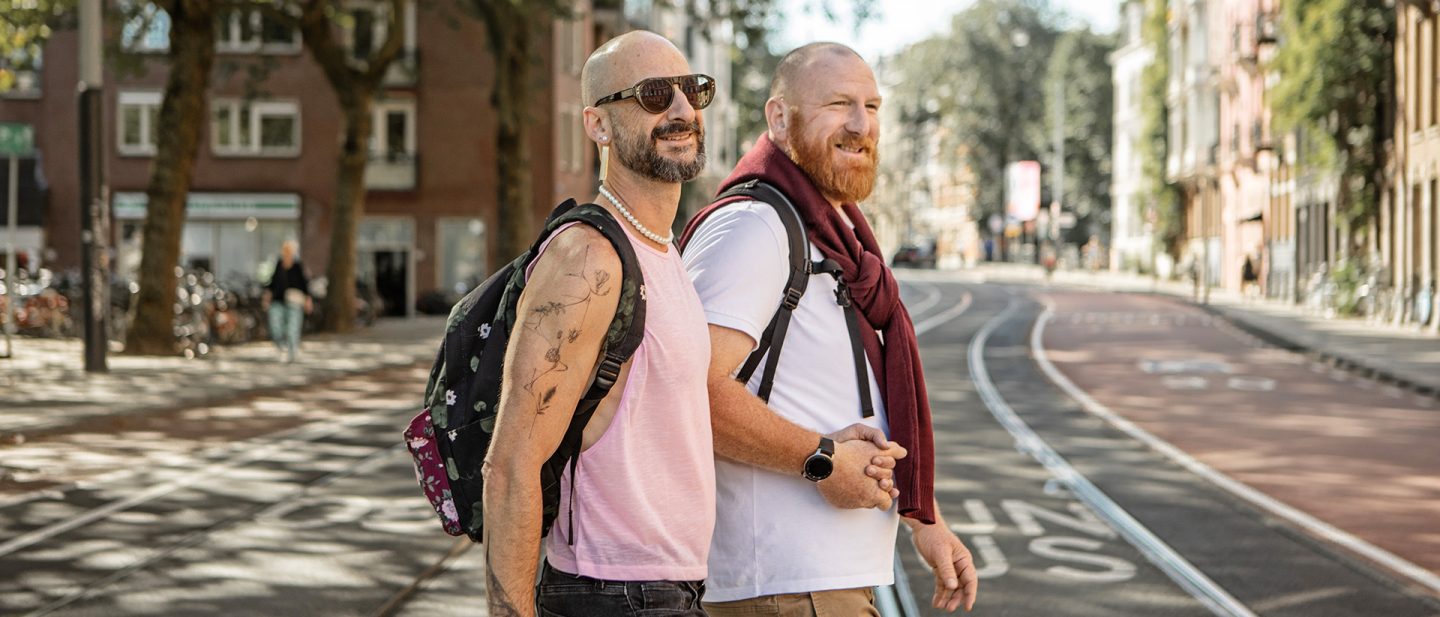
Between Visibility and Security
"Adapting is not a capitulation, but a deliberate strategy that gives back autonomy and security. Everyone decides for themselves how much visibility is right in the respective context." – Benjamin Metz, gay
Queer travel always moves between two poles: visibility and safety. Some cities make you feel comfortable after just a few hours. In others, you're left with a queasy feeling – and the constant question: how openly do I want to show my sexual or gender identity to the outside world?
Everyone has to make this choice for themselves – and remember that opting for less visibility is not a betrayal of your identity.
When Documents Become an Issue
For trans and non-binary people, the procedure at the airport can become a challenge. During check-in, security checks, or border crossings, the binary understanding of gender often comes into play. What's more, not every country recognizes gender entries such as "X" or "diverse."
Pragmatic preparation can help here: carry copies of important documents in digital and paper format, allow more time for security checks, and find out in advance about the experiences of other trans travelers. Organizations such as The Gender Diverse Travel Advisory Group of the IGLTA Foundation offer helpful information on this.
Good Preparation Makes for More Relaxed Travel
The most important takeaway for queer travelers is simple: preparation is everything. If you know what resources are available, which communities are active locally, and which questions are worth asking before your trip, you will feel safe at your holiday destination and be able to relax quicker.
About
Bo Kreter is a communications and branding expert as well as the co-founder of the agency B O K U. His work focuses on brand communications, social media strategies, and diversity management. He is particularly committed to promoting diversity, inclusion, and sustainability within the communications and design industries.

Ready to discover the world?
Book your flight and find new inspiration – wherever the journey may take you.