


The First Women in the Lufthansa Cockpit: When “This is Your Captain Speaking” Got a New Voice
Female pilots at Lufthansa – today, it's a matter of course. But it took more than six decades before women took the controls in the airline’s cockpit. To mark the 100th anniversary of the company’s founding, we tell the story of two women who sat at the very front of the aircraft for the first time in 1988
It is Tuesday, August 23, 1988. On the apron at Frankfurt Airport, a Boeing 737-200 is undergoing its final preparations for take-off: cargo is being loaded and passengers are boarding the aircraft, which is mainly used on short- and medium-haul routes within Europe. As summer is slowly drawing to a close, two women are getting ready to take off with Lufthansa.
The First Women in the Lufthansa Cockpit
Nicola Lisy (née Lunemann) and Evi Hetzmannseder (née Lausmann) have spent two whole years preparing for this moment. The co-pilots have long since accumulated the necessary flying hours. Most of this was during the 154th trainee pilot course at the Bremen Commercial Pilot School, supplemented by training in Phoenix, Arizona (USA). They completed the final part of their training just a few days earlier, in the second week of August 1988, on a Boeing 737-200 in Montreal, Canada – the very aircraft type they will both be flying in future. Initially, however, as is customary, they spent several months serving as second officers alongside check pilots on the European route network, before later taking their seats as first officers in the cockpit of the Boeing 737-200 from the right-hand side of the flight deck.
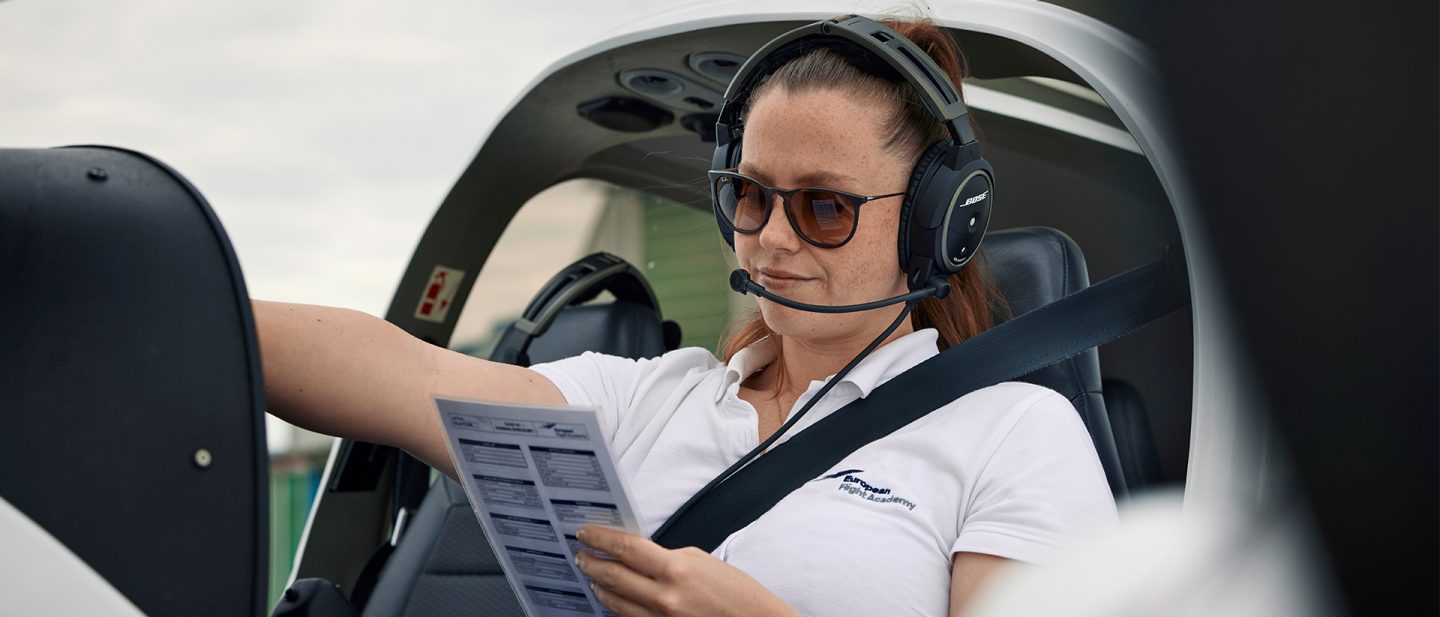
The fact that women are sitting in the cockpit at Lufthansa is not without precedent. As far back as the pioneering days of “Luft Hansa” in the late 1920s, a woman named Marga von Etzdorf flew for six months as a co-pilot on domestic German scheduled services.
Sixty years later, it was Nicola Lisy and Evi Hetzmannseder who became the first female co-pilots to enter the cockpit of a scheduled aircraft at Lufthansa, which was newly founded in 1953. A sign of the times – and at the same time a step that, from today’s perspective, was long overdue.
It marked the beginning of greater equality of opportunity, the effects of which are still felt today. Lufthansa’s aim is to bring more women into leadership roles both on the ground and in the air. At the same time, it remains undeniable that women are still significantly under-represented in the aviation professions, which have long been male-dominated.
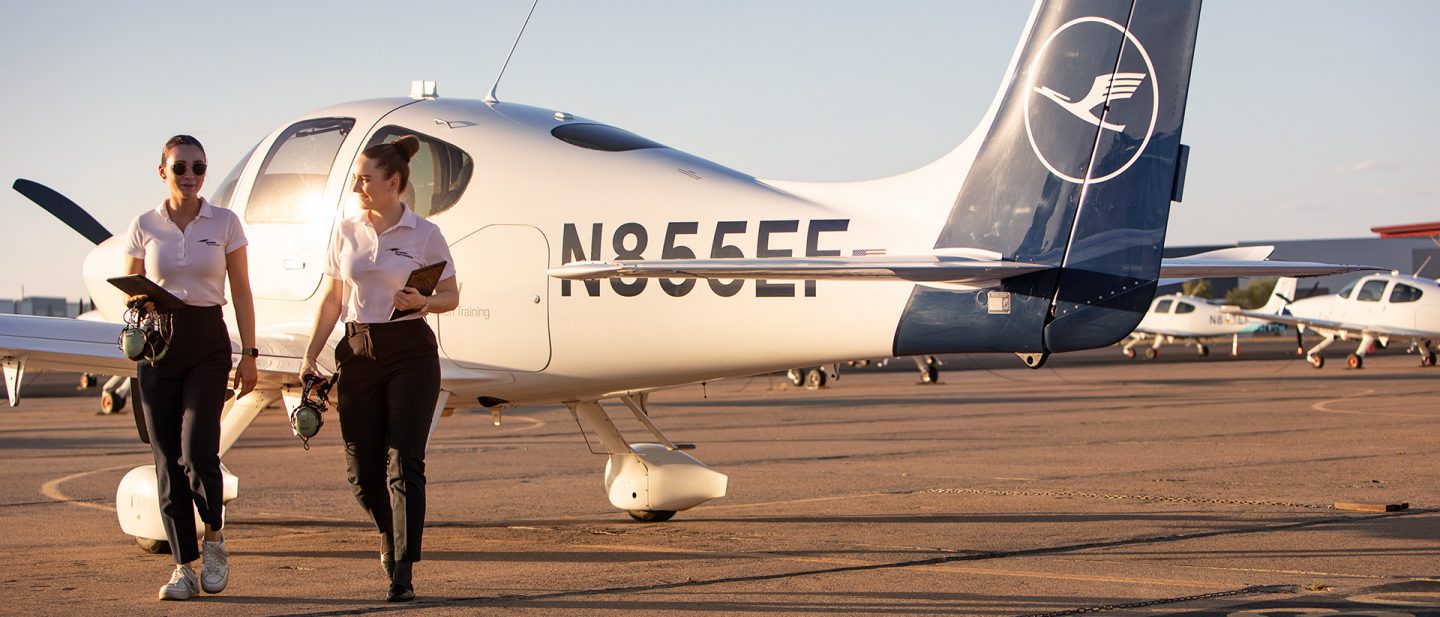
More than 7 percent of Lufthansa’s cockpit crew are now female – over 300 in total. While this puts the airline well above the international average of 4.7 percent, there is always room for improvement.
Outreach to Women and More Family-Friendly Work Arrangements
By specifically targeting potential female applicants, the proportion of female trainees is increasing and currently stands at around 13 percent at the European Flight Academy, the Lufthansa Group’s flight school. Interest is also growing: the proportion of women attending information events has risen significantly in recent years. Furthermore, working arrangements for cockpit crews have become more varied over the years and are designed to make it easier to balance family and career.
We need role models like Nicola Lisy, Evi Hetzmannseder, and Marga von Etzdorf. Women who have boldly and naturally broken into what was once considered a male-dominated field, demonstrating that flying a commercial aircraft has nothing to do with gender, and everything to do with skill, training, and responsibility.
When Nicola Lisy and Evi Hetzmannseder took their seats as co-pilots in a Boeing 737-200 on August 23, 1988, they probably had no idea that they would be making aviation history once again some twelve years later. For in the spring of 2000, both became the first female captains at Lufthansa almost simultaneously. To mark the occasion, Lufthansa had the term “Kapitänin” (female captain) officially recognized by the Society for the German Language (Gesellschaft für deutsche Sprache e. V.) in Wiesbaden – for Lisy, Hetzmannseder, and all those who would follow in their footsteps.
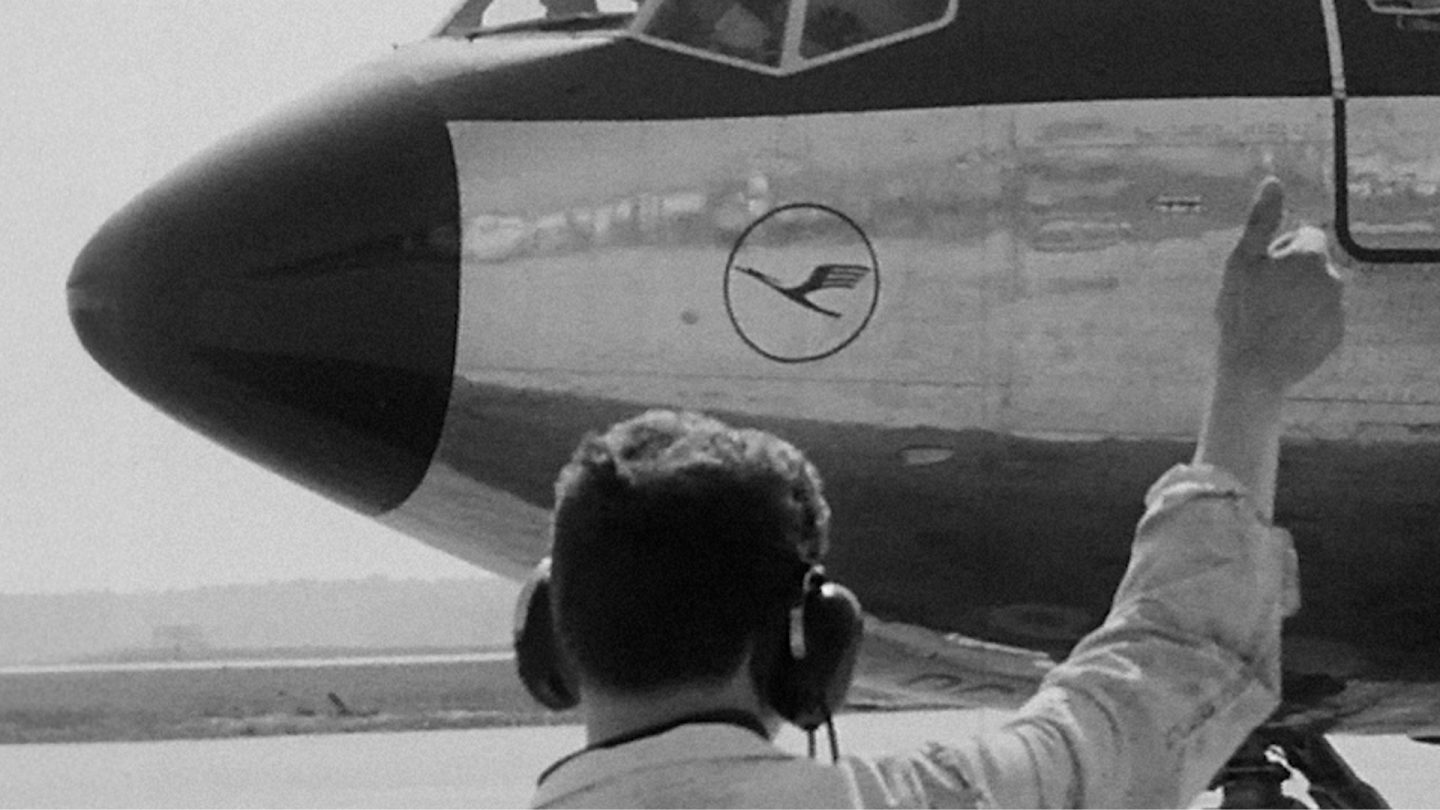
Ready for a journey through time?
In 2026, Lufthansa celebrates its 100th anniversary – explore our remarkable journey