

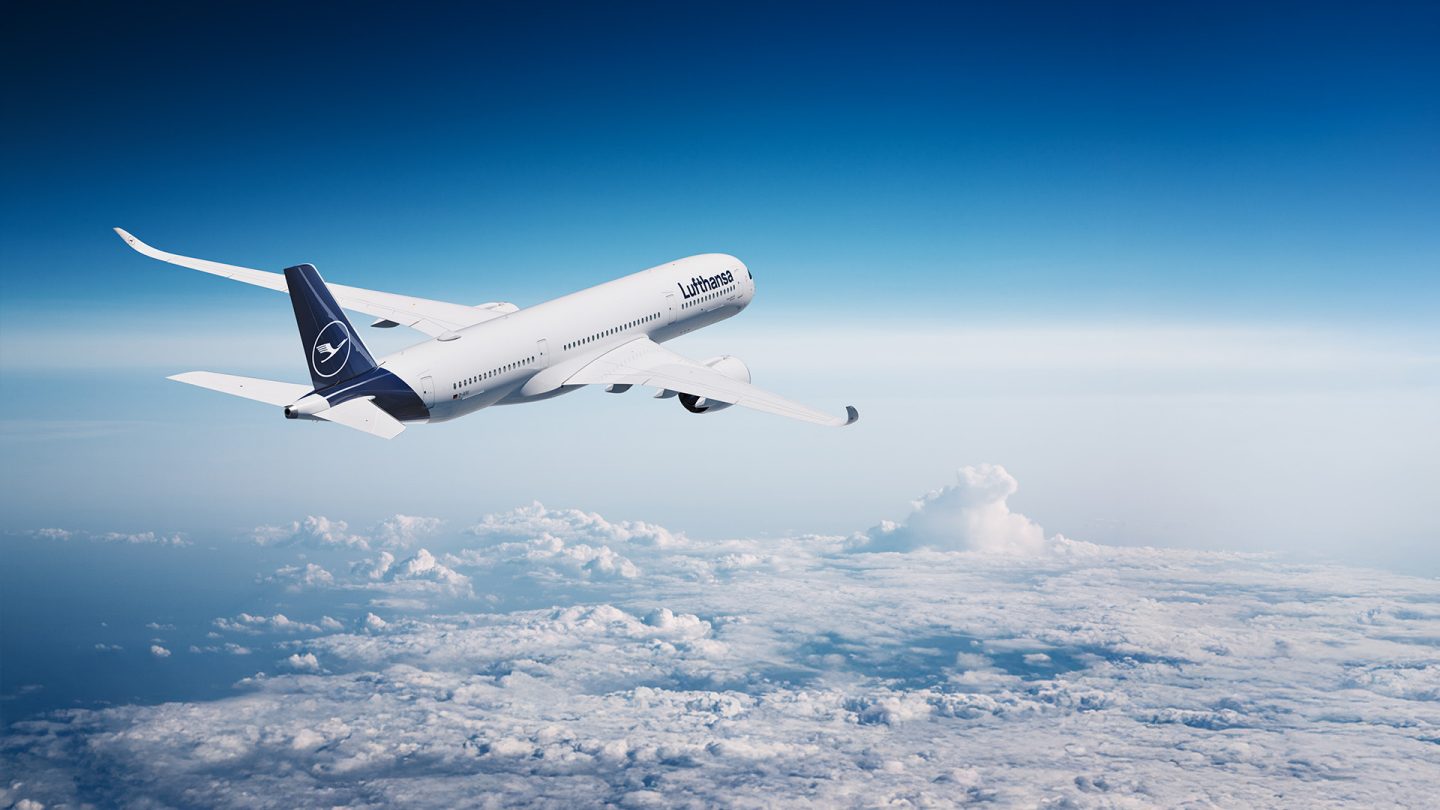
The Lufthansa Fleet: These Are Our Aircraft Stars
The Lufthansa Group's fleet is modern and versatile, setting the odd record along the way
The Lufthansa Group fleet comprises a total of 735 aircraft (as of the end of 2024), including true giants as well as smaller superstars such as the A320neo, which is one of the more climate-friendly models, and the arrow-shaped Bombardier CRJ900. Below is an overview of the most interesting family members with the most important data:
The Jumbos
Records in the sky – the Lufthansa fleet includes more than just the legendary Boeing 747:
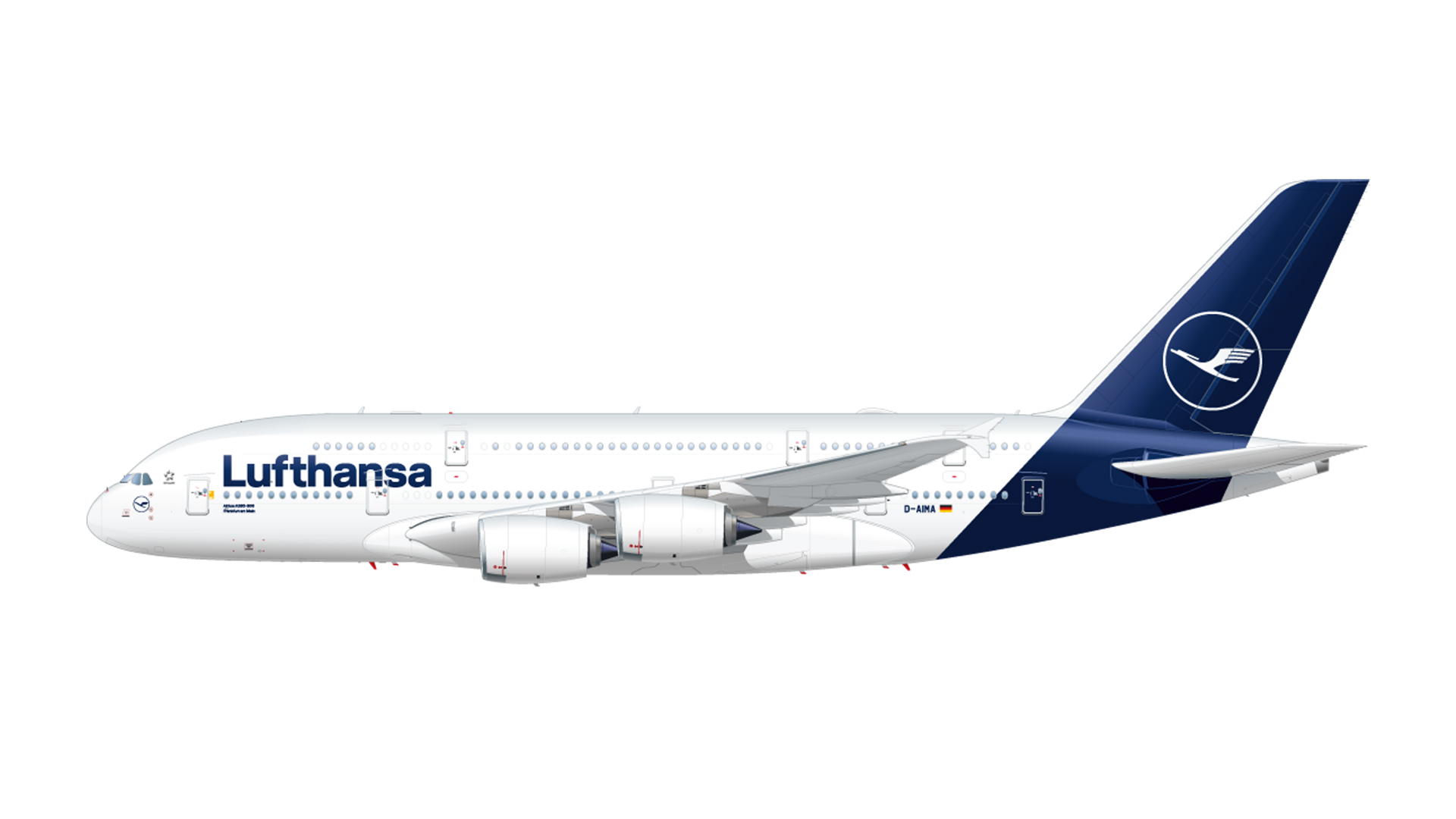
Airbus A380-800
The A380 is the largest and heaviest passenger aircraft in the world. Its four engines each deliver a thrust of 70,000 pounds, which is equivalent to the power of around 3,500 cars. Intelligent technology enables automatic braking on the runway.
Boeing 747-8
Over 50 years ago, the first Boeing 747 was reverently called a "jumbo." The new one is even better: it is 5.60 meters longer than its predecessor, making it the longest passenger aircraft in the world. Thanks to its new wings and economical engines from General Electric, it also flies much more efficiently.

Airbus A340-600
With a range of 12,900 kilometers, the second longest aircraft in the world is the Airbus A340-600. Its quiet engines also ensure a smooth flight.

The CO₂ Savers
Slim, sleek, and economical – to reduce CO₂ emissions, the Lufthansa Group is investing in modern aircraft like these:
Airbus A350-900
The A350-900 is considered the most modern and environmentally friendly long-haul aircraft in the world. It consumes 25 percent less kerosene and emits correspondingly fewer CO₂ emissions.

Airbus A321-100/200
The Airbus A321 is slim, sleek, and economical. Like its siblings, it is as environmentally and climate-friendly as currently possible. The aircraft of this model, which are new to the fleet, have a modern cabin in the style of the flagship, the A380.

Boeing 787-9
The modern Boeing Dreamliners only consume around 2.5 liters of kerosene per passenger per 100 kilometers – around 30 percent less than their predecessors. By 2027, more of these economical long-haul jets will be added the Lufthansa Group's fleet. Incidentally, they have the largest windows of all aircraft types.

The Short-Haul Champions
Small but powerful – the Lufthansa Group relies on efficient, high-frequency jets for short-haul routes within Germany and Europe:
Airbus A320neo
The A320neo ("neo" stands for "new engine option") boasts new engines and optimized aerodynamics. It generates significantly less noise during takeoff than the current A320 and is almost 30 decibels below the limits set by the International Civil Aviation Organization (ICAO).

Airbus A319-100
The Airbus A319 is one of the smaller members of the successful A320 family. Due to their technical similarities, the siblings share the same cockpit layout and maintenance concepts, ensuring less complexity and less training effort.

Ready to discover the world?
Book your flight and find new inspiration – wherever the journey may take you.