


Know Before You Go: Porto
Porto reveals its charm through its contrasts: granite and azulejos, riverside and steep hillsides, quiet church interiors and lively streets. Here you will find the key information at a glance to help you plan a relaxed trip

From the Airport into the City
Porto Airport (OPO) is located about 15 kilometers (9 miles) northwest of the city center. The fastest and most affordable transport option is the Metro do Porto, whose Line E (purple) connects the airport directly to Trindade station, just north of the old town. The journey takes around 30 minutes; from there, you can transfer to other metro lines, buses, or walk toward the Ribeira district and the historic center.
Alternatively, taxis and ride-hailing services such as Uber or Bolt are available. Depending on traffic, the journey to the city center takes about 20 to 30 minutes. For Uber or Bolt, you should expect to pay around €15 to €25, while traditional taxis are more likely to cost €25 to €35, with higher fares at night and on weekends.

Getting Around
Porto is generally easy to explore on foot, although its topography should not be underestimated – steep streets and many staircases are typical. For longer distances, the Metro do Porto is recommended, with 80 stations (including the surrounding area); most of the network runs above ground. A single metro ticket costs around €1.40 to €4.55 depending on the zone, and an Andante card is required, which can be topped up as necessary. Day tickets are available from about €5.15 and are worthwhile if you make several trips. Bicycles are less common. A rental car is not useful in the city center.
This may also be of interest to you

Opening Hours
Shops usually open between 9 and 10 a.m. and close around 7 p.m. Many small stores take a lunch break between 1 and 3 p.m. Restaurants often start serving lunch from around 12:30 p.m., while dinner is rarely served before 7:30 p.m. On Sundays, many shops are closed, while cafés and restaurants remain open.

Useful Phrases
These short phrases will help you to communicate:
“Bom dia / Boa tarde / Boa noite” – Good morning / Good afternoon / Good evening
“Obrigado / Obrigada” – Thank you (male / female speaker)
“A conta, por favor” – The bill, please

Don’t
Items served without request, such as bread, olives, or cheese, are not free of charge – they will be billed if consumed. Also, patience is part of the local way of life; haste feels out of place here.
Fun Fact
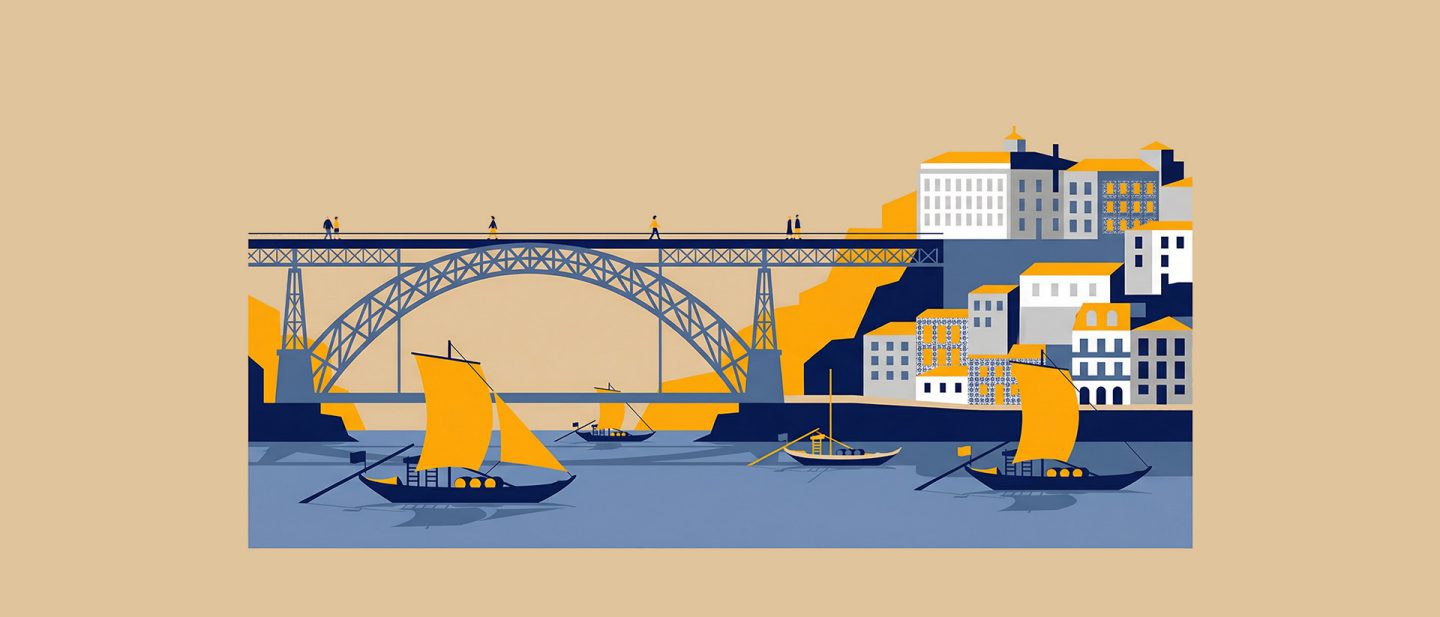
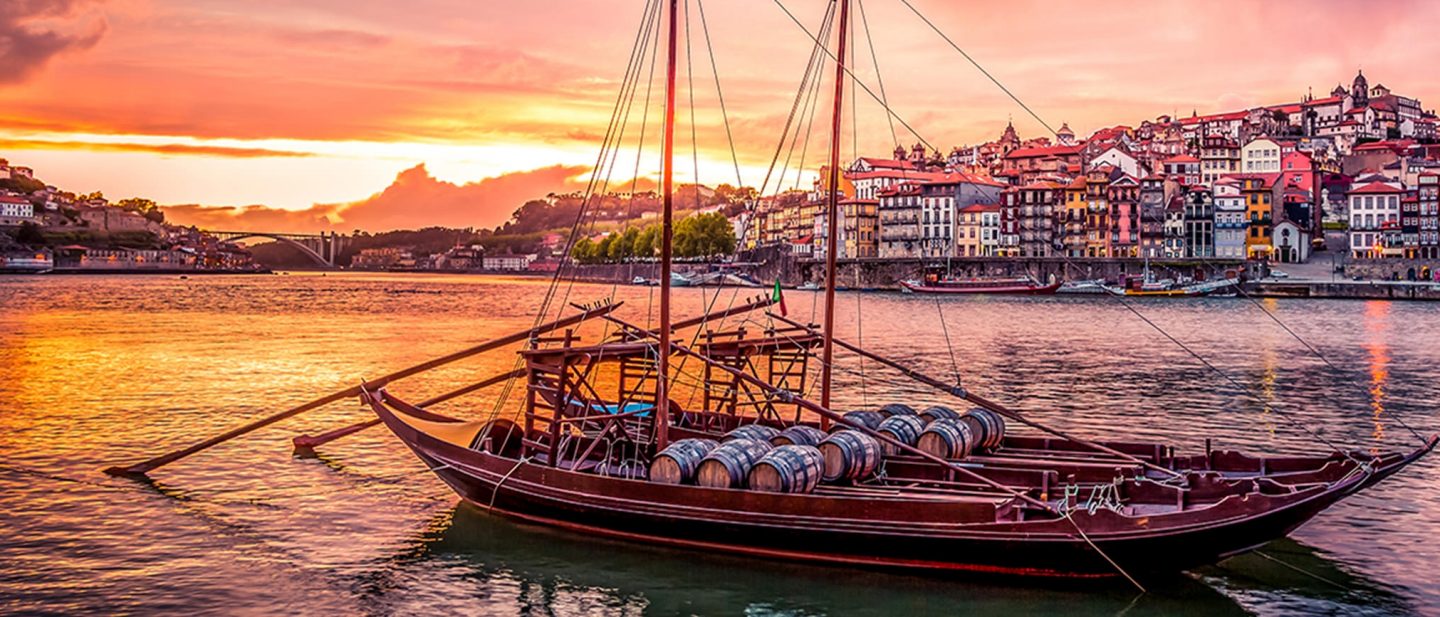
Porto is known as the home of the world-famous Port wine – however, most of the wine cellars are actually located on the opposite side of the river in Vila Nova de Gaia. The view from there back across the waterfront and the city is one of Porto’s quieter moments, especially when walking across the Dom Luís I Bridge. Historically, the river served for centuries as a transport route for barrels. The traditional Rabelo boats, now used for tourist cruises, are a reminder of this past. But it’s not only the boats that create a nostalgic charm: the distinctive colorful tiles on many building façades, known as azulejos, often depict historical stories and are therefore much more than mere decoration.
Ready to discover Porto?
A charming old town, buildings adorned with colorful tiles, and traditional cuisine – book a flight to this dream city on Portugal’s Atlantic coast.