

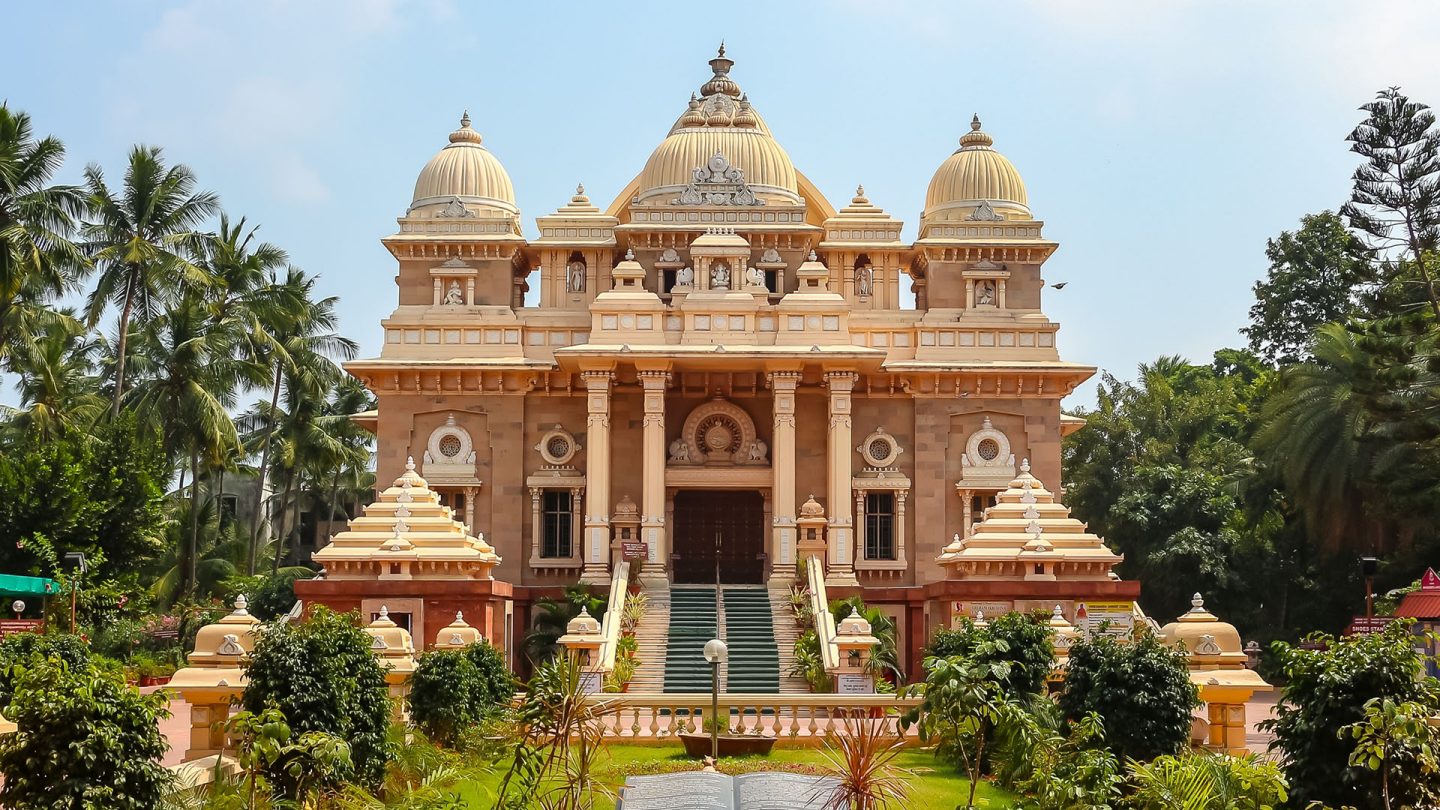
Eat See Do: Chennai
For centuries, Chennai was one of the major port towns on the southeastern Coromandel coast and it is still considered the cultural center of South India today. Temple bells, jasmine blossoms at market stalls, and the honking of auto rickshaws are just as much a part of everyday life there as classical South Indian music and cricket on the beach. Our three tips showcase the culinary, sightseeing, and historical side to Chennai
Eat – Breakfast on a Banana Leaf
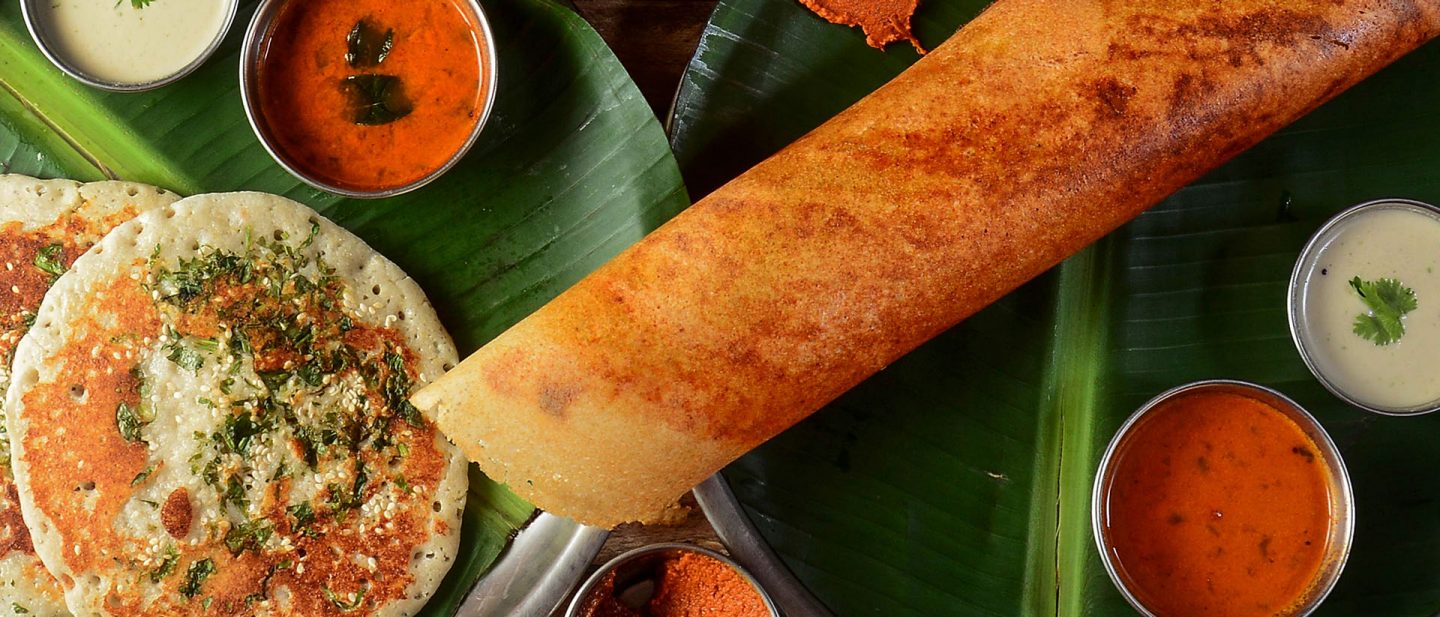
In Chennai, the day often starts with idli, dosa, or pongal – served on a banana leaf and accompanied by sambar and various chutneys. Idlis are softly steamed rice cakes made from fermented rice and lentil dough, while dosas are large, thinly fried crêpes with crispy edges. Visually, pongal is somewhat reminiscent of a hearty risotto made of rice and lentils, seasoned with black pepper, cumin, and curry leaves. Restaurants such as Murugan Idli Shop or Saravana Bhavan have been serving these classics almost unchanged for decades.
More Culinary Delights:
- Coffee: South Indian coffee is traditionally served in small stainless steel cups and poured back and forth between two vessels several times to create foam and lower the temperature. The slow brewing through metal filters provides a strong, slightly caramel taste.
- Chettinad cuisine: The cuisine of the Chettinad region, south of Chennai, is considered one of the spiciest in India. Black pepper, star anise, fennel seeds, and curry leaves accompany many meat and fish dishes.
- Street food on Marina Beach: Along the beach promenade, small stalls sell fried fish, bajji (dumplings), and sundal – a warm snack made from chickpeas, coconut, and spices.
This may also be of interest to you



See – Discover Colonial Architecture Along the Rajaji Salai
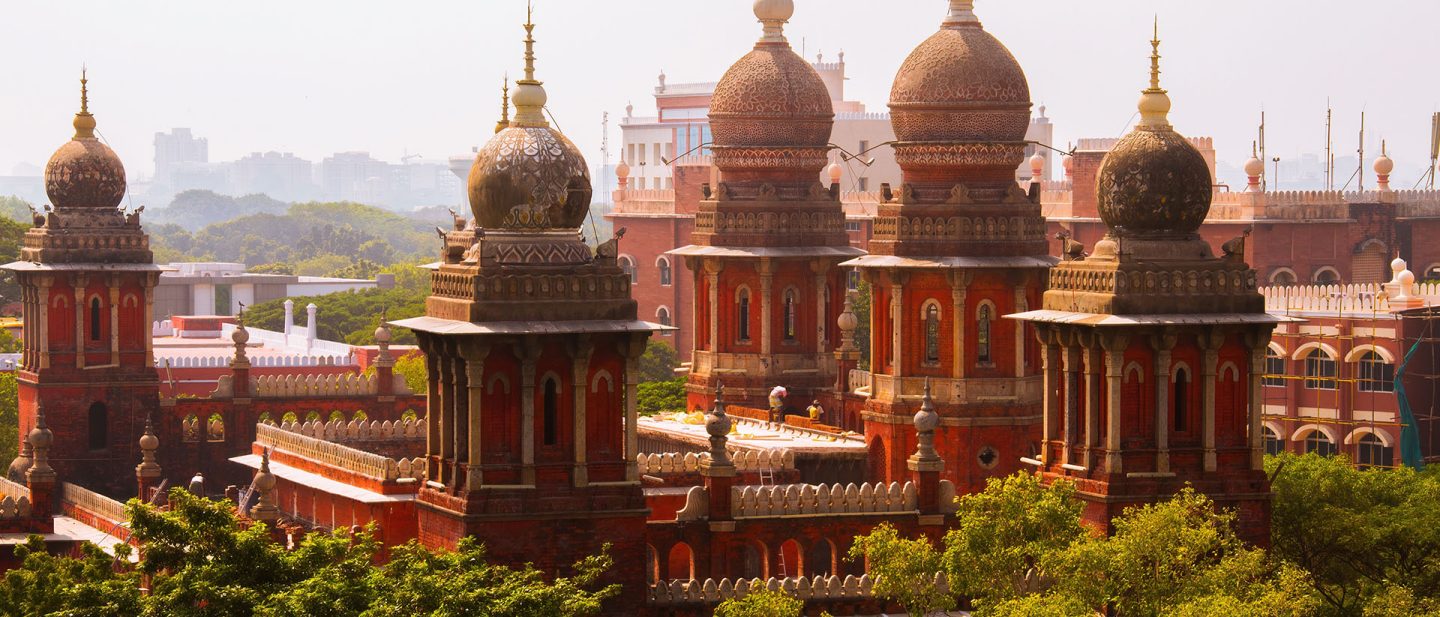
Along the Rajaji Salai (formerly Beach Road) and the Kamarajar Promenade there are still some of Chennai's most striking colonial architecture. Buildings such as the Madras High Court, Chepauk Palace, and Madras University's Senate House feature what is known as the Indo-Saracenic style, which combined British architecture with domes, arches, and ornaments from Indian and Islamic building traditions. The red façades and the monumental dimensions in particular highlight the importance of Madras for the British colonial power at that time.
Also Worth Seeing:
- Marina Beach: At around 13 kilometers (8 miles) long, Marina Beach is one of the longest urban beaches in the world. Unfortunately, bathing is strictly forbidden and life-threatening here due to extremely strong undercurrents. Instead of bathers, street food stalls, carousels, kite flyers, and families dominate the scene along the promenade in the evening.
- Fort St. George: This fort was built in 1644 by the British East India Company and marked the beginning of British colonial rule in southern India. Particularly worth seeing are the massive white colonial buildings, old cannon emplacements, and St. Mary's Church, which is considered the oldest Anglican church in India. This area shows how strongly Chennai – then still Madras – was shaped by trade and colonial politics.
- Government Museum Chennai: This museum is one of the oldest in India and has one of the most significant collections of bronze sculptures from the time of the Chola dynasty, which dominated the South Indian region from the 9th to the 13th century. Many figures show Hindu deities with exceptionally fine details and are considered to be historic highlights of Tamil temple art.
Do – Take a Ride on an Auto Rickshaw Through Chennai
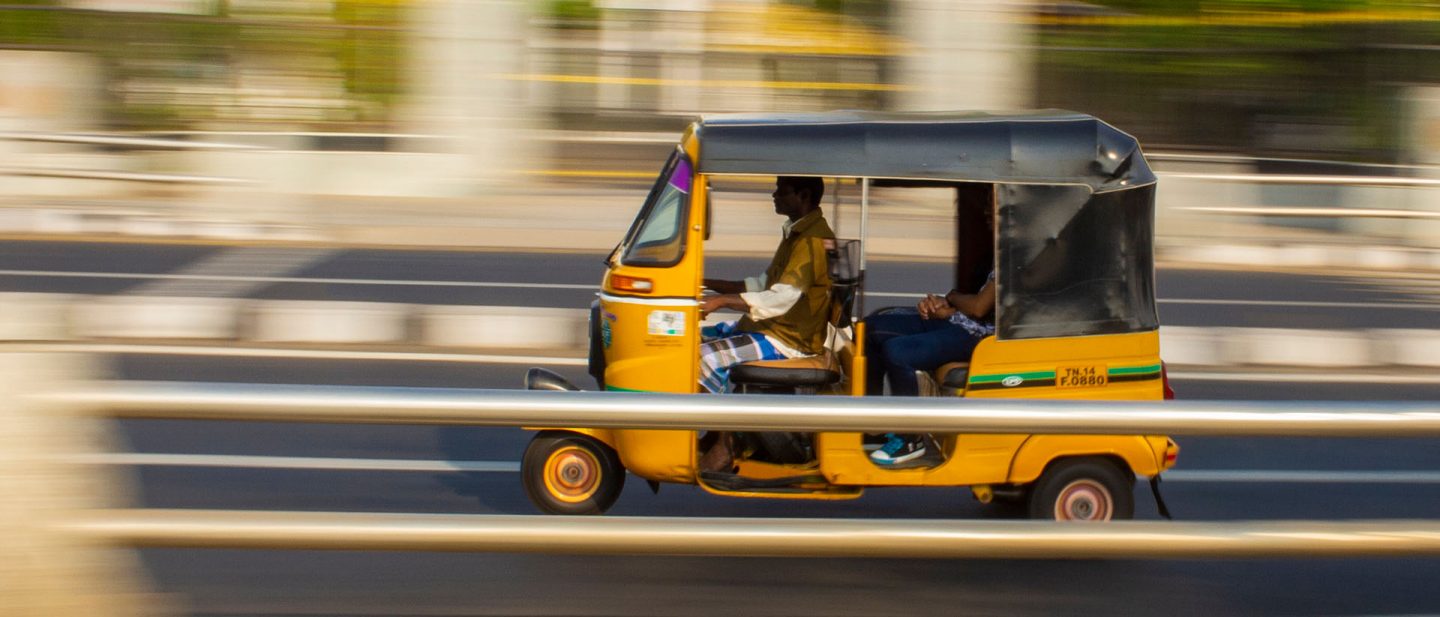
If there is one thing that is typical of India, it is the small auto rickshaws that speed through the streets. The three-wheeled vehicles are also part of the cityscape in Chennai. A drive through Mylapore or along Marina Beach is characterized by rapidly changing or overlapping sensory impressions: by the roar of traffic including continuous honking and temple music, by the scent of spices and the sea, by colorful street stalls and imposing buildings.
More Experiences:
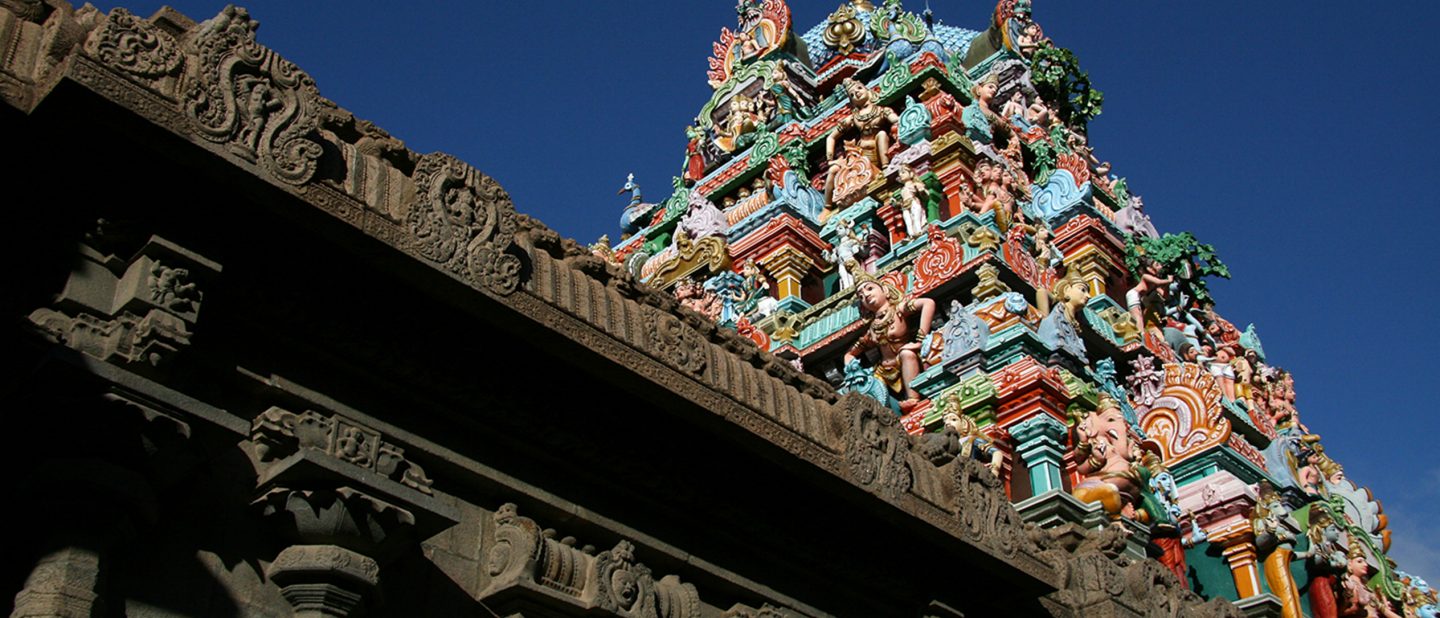
- Walk through Mylapore: This district is one of the oldest in Chennai. Jasmine stalls, small temples, narrow side streets, and traditional residential buildings still convey much about how Chennai used to be away from the modern business districts. The Kapaleeshwarar Temple is also located in the middle of Mylapore and characterizes the district with its colorful tower, the surrounding flower stalls, incense, and the prayers of its visitors.
- Experience Tamil cinema at Rohini Silver Screens: Chennai is considered the heart of the Tamil film industry Kollywood. Before big film releases, fans often gather in front of the cinemas at night, hang meter-high banners, and celebrate the star actors as if they were pop icons.
- Attend a classical Bharatanatyam dance performance: Chennai is considered one of the major centers of Bharatanatyam, the classical dance of South India. Precise foot rhythms, expressive hand movements, and traditional music tell stories from Hindu epics and Tamil culture and can be experienced at venues such as the academy of the Kalakshetra Foundation.
Ready to discover Chennai?
Book your flight and get ready for your trip. With our tips, it will be unforgettable.